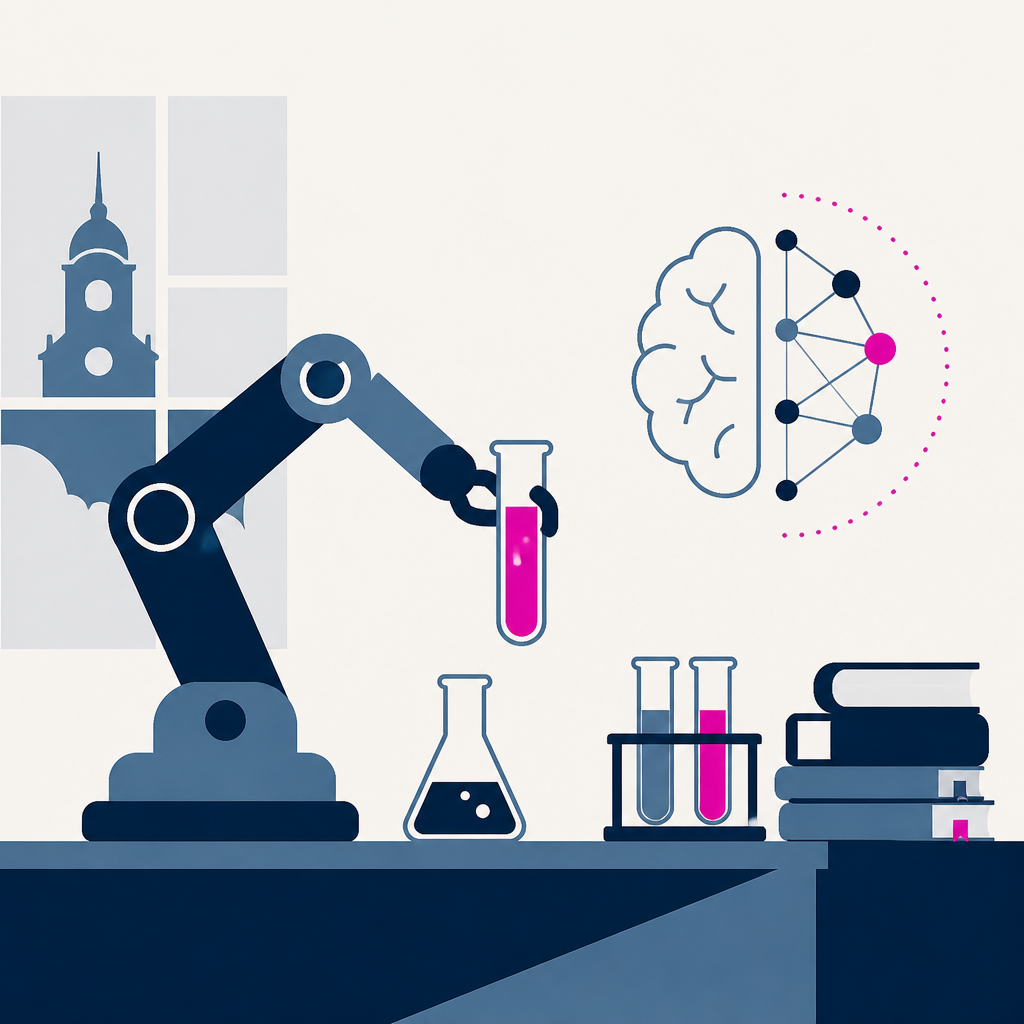
Stanford University economists updated research on AI’s employment effects and found that entry-level workers are losing jobs in more AI-exposed occupations while older workers show little change. Employment for ages 22 to 25 is now 19 percent below peers in less exposed fields, up from a 13 percent gap last year. The reported impact is persisting and expanding for younger workers in those occupations, based on the revised August 2026 analysis of new data.
Zvi (Don't Worry About the Vase)·1 month ago·
35
● 6 sources
The article argues that Americans’ opposition to building local data centers is largely driven by distrust of AI, big tech, and money rather than by debates over physical harms or benefits. It cites that 75% oppose local data center development and says persuasion moves support only slightly from very high levels of opposition. It concludes that the main shift is political momentum to block construction that increases as AI becomes more salient and companies push harder into less receptive communities.
OpenAI rolled out ChatGPT Work, aiming to let non-engineers run multi-step AI agents across their everyday digital tools and workflows. The product is available on OpenAI’s lowest subscription tier for $20 a month. Adoption is expected to hinge on making agent setup and permissions easier while overcoming the low usage seen outside OpenAI employees.
A Beijing programmer was laid off about two weeks after his boss asked whether AI could replace human coders, and around 160 of his colleagues were also dismissed. A market survey by IDC found the share of Chinese industrial enterprises using AI models and agents rose to 47.5% last year from 9.6% in 2024. As AI adoption expands under China’s “AI Plus” push, workers in narrowly targeted tasks and some creative and translation roles face reduced pay or higher displacement risk, while others switch to using AI-enabled tools or independent work.
Cheshire Academy in Connecticut adapted to student and teacher use of generative AI by training staff on general techniques, piloting an educator-focused platform, and expanding classroom reflection and labeling rules. The school’s individual MagicSchool plan costs just under $100 per year for unlimited access and complete records. As a result, teachers use AI mainly for preparation and administrative tasks while students follow “traffic light” guidance and activities like a Student AI Council to reflect on appropriate and inappropriate use.
Engineering leaders and researchers argue that the AI boom has left universities and workplaces unclear on what “adaptable” means, even as it accelerates tool and skills change for engineers. Employers expect 39 percent of workers’ core skills to change by 2030, and the reported “uncomfortable middle” includes increased code review variability as teams sort out new ways of working. The article says education, managers, and engineers should shift to explicit adaptability training and protected time for continuous learning, while focusing on problem-solving and communication over specific tool details.
Splitsense’s page promotes using AI discussion to turn user behaviour into higher conversions. No numbers or dates are provided. It positions AI as the method to improve conversion outcomes based on user activity data.
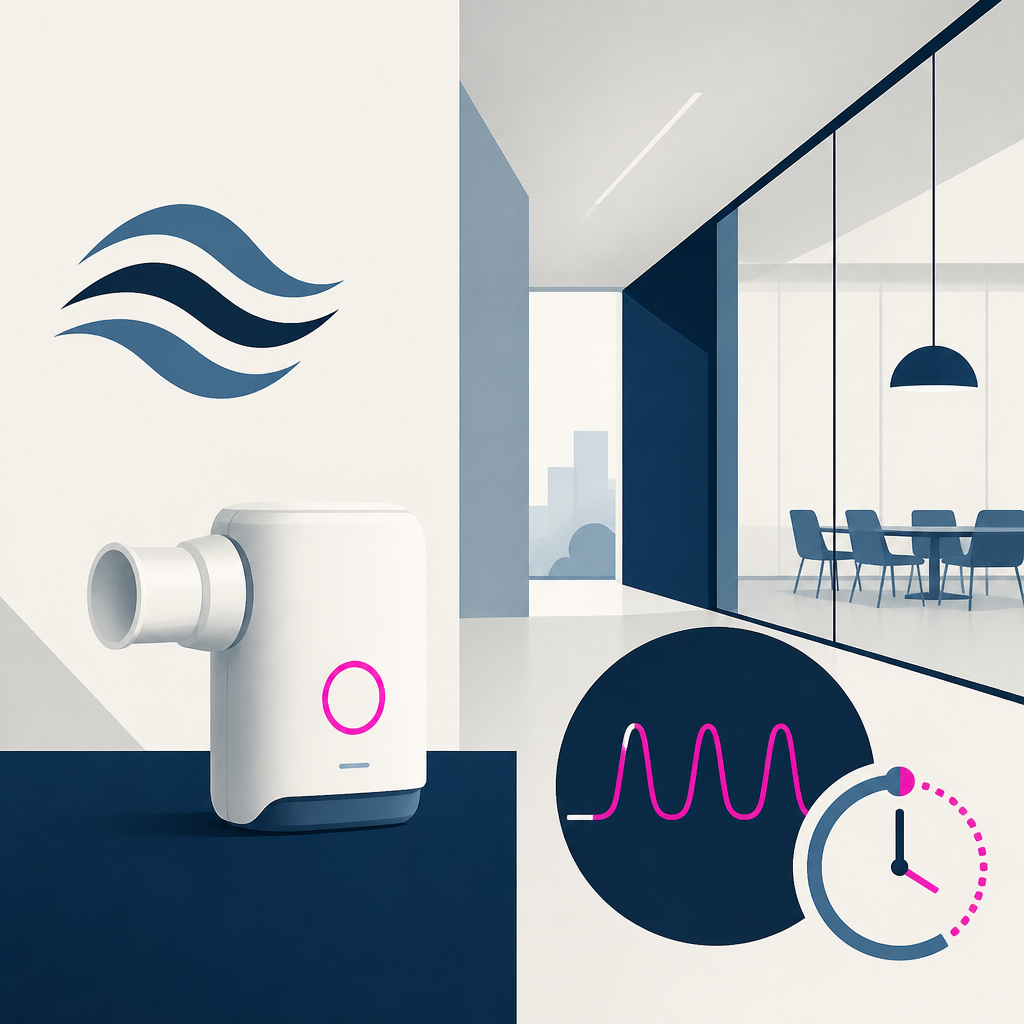
TidalSense says it is using 75 seconds of normal breathing in its N‑Tidal Diagnose device to improve COPD detection where spirometry is hard to perform and slow to administer. The test captures a CO2 waveform (a capnogram) for 75 seconds, and median testing time is under five minutes with warming plus breathing. Clinicians get results during the same appointment and more staff can administer it quickly, changing COPD diagnostics toward faster, easier, lower-operator-dependence screening.
AI is becoming a national political issue as governments, media, labor questions, and data-center protests compound around rapid adoption. A data center protest took place in Emporia, Kansas on June 23, 2026. Policymakers are pushed toward new proposals focused on labor-market data, displacement mitigation, and how (or whether) to coordinate AI deployment and safety.
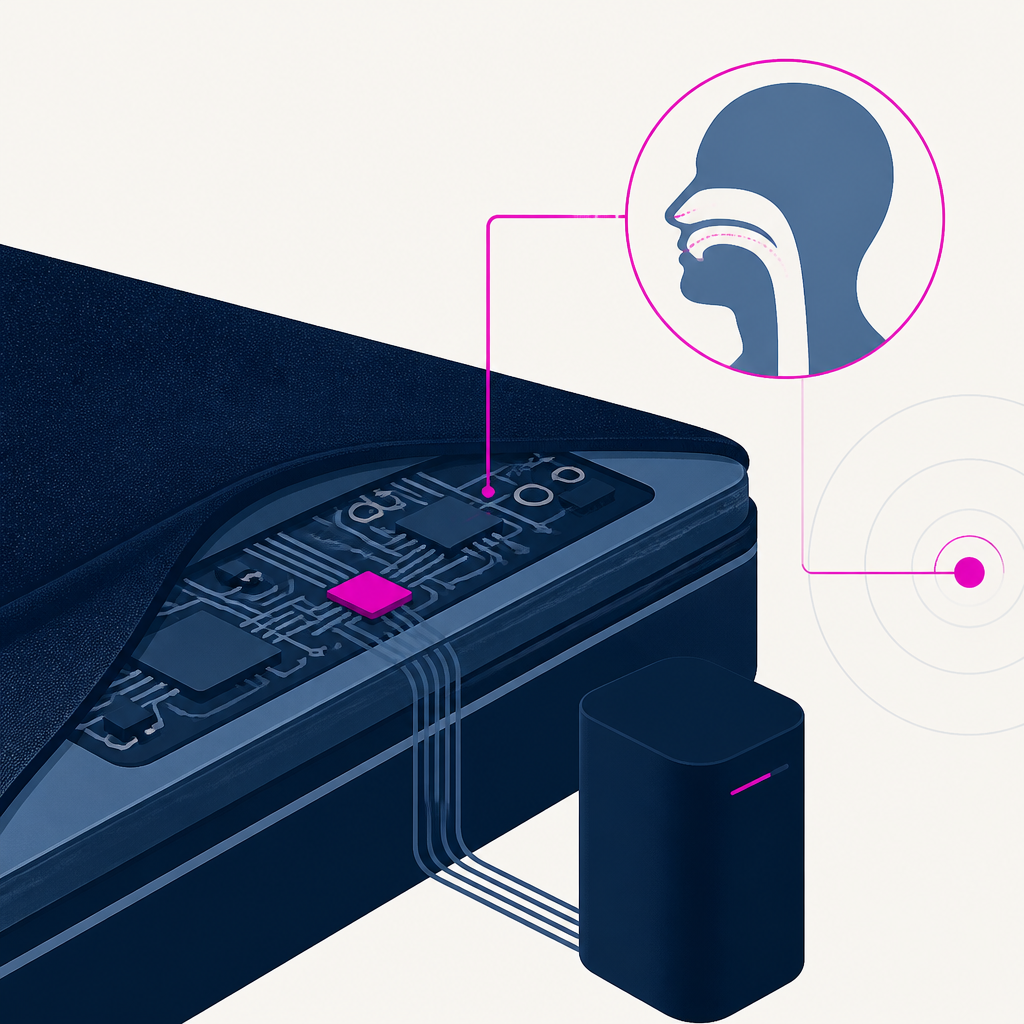
Eight Sleep is shifting from marketing a celebrity-favored premium mattress cover to seeking FDA clearance to detect and treat sleep apnea. It began FDA clearance work for its sleep apnea detection and mitigation technologies in 2025. If regulators approve, the company expects to sell its Pod as an insurer-paid medical device rather than a luxury subscription gadget.
ECB economists warned that a correction in AI-driven stock markets is likely to spill over into the euro area through investors’ fund holdings. They estimate euro-area households’ exposure to US technology stocks at around €440 billion using third-quarter 2025 look-through data. The result is a possible feedback loop where fund redemptions force sales that deepen valuation drops, with effects potentially extending to sentiment, financing conditions, and hiring.
An article highlights 6 UK AI infrastructure startups to watch based on input from top VCs. The concrete figure is 6 startups. It gives readers a shortlist of companies to follow rather than reporting a specific technical or funding development.
Creem launched CREEM 2.0 as a platform aimed at helping AI product builders sell software and digital products with built-in payments, taxes, affiliates, payouts, and usage billing. The launch is scheduled for today. This adds an all-in-one way to handle those back-office functions so selling and growing can be set up faster.
Every AI story that matters,
in your inbox by 8am.
TLDRocket reads all relevant sources, removes duplicate coverage, and summarises the
day in two minutes. Follow companies and topics for alerts, or get the
briefing in Slack. Free, no spam, unsubscribe anytime.
Reading TLDRocket needs no cookies, and the readership counts we rely on come from
our own cookieless analytics. Google Analytics is the exception: it sets cookies and
reports to Google, so it stays switched off until you allow it. You can change your
mind any time from “Cookie settings” in the footer.
Strictly necessary
Session security and form protection (tldrocket-session,
XSRF-TOKEN, 2 hours). The site cannot work without them,
so they need no consent.
Always on
Google Analytics 4 (_ga,
_ga_<id>, up to 2 years). Measures which
stories and sections readers use. Google acts as a third-party processor and may
store the data outside the EU. No advertising, no profiling, no data sold.