Liquid AI released LFM2.5-2.6B, a 2.6-billion-parameter language model designed to run AI agents locally on consumer devices like laptops and phones while supporting tool calling and multi-step workflows. The model achieves 220 tokens per second on an Apple M5 Max and 113 tokens per second on an AMD Ryzen CPU while using under 2.5 GB of memory, and performs competitively with models 4 times larger on instruction following and tool-use benchmarks. Developers can now deploy capable agents entirely on-device without cloud inference costs, keeping user data private while maintaining agentic reasoning capabilities.
The author tested a 'reflection engine' prompt with AI agents and found that Sol Max produced a more coherent analysis of their personal data and memories than Fable High. OpenAI cut GPT-5.6 Luna's price by 80% and introduced the Astra model, which solved 10 math and theoretical computer science problems. Several new AI models launched with lower pricing and new capabilities, enabling users to accomplish significantly more work at reduced costs.
The Open Secure AI Alliance, comprising over 120 organizations, is developing SAFE (Shared AI Findings Exchange) guidelines to improve cybersecurity for agentic AI systems by enabling confidential incident sharing and collective defense. The framework includes contributions from NVIDIA, Cisco, CrowdStrike, Hugging Face, Red Hat, and newer members like Amazon and Visa, spanning identity controls, harnesses, runtime guardrails, specialized security models, and observability tools. Organizations can now share threat intelligence and security findings openly to accelerate ecosystem-wide protection against AI-specific attack surfaces.
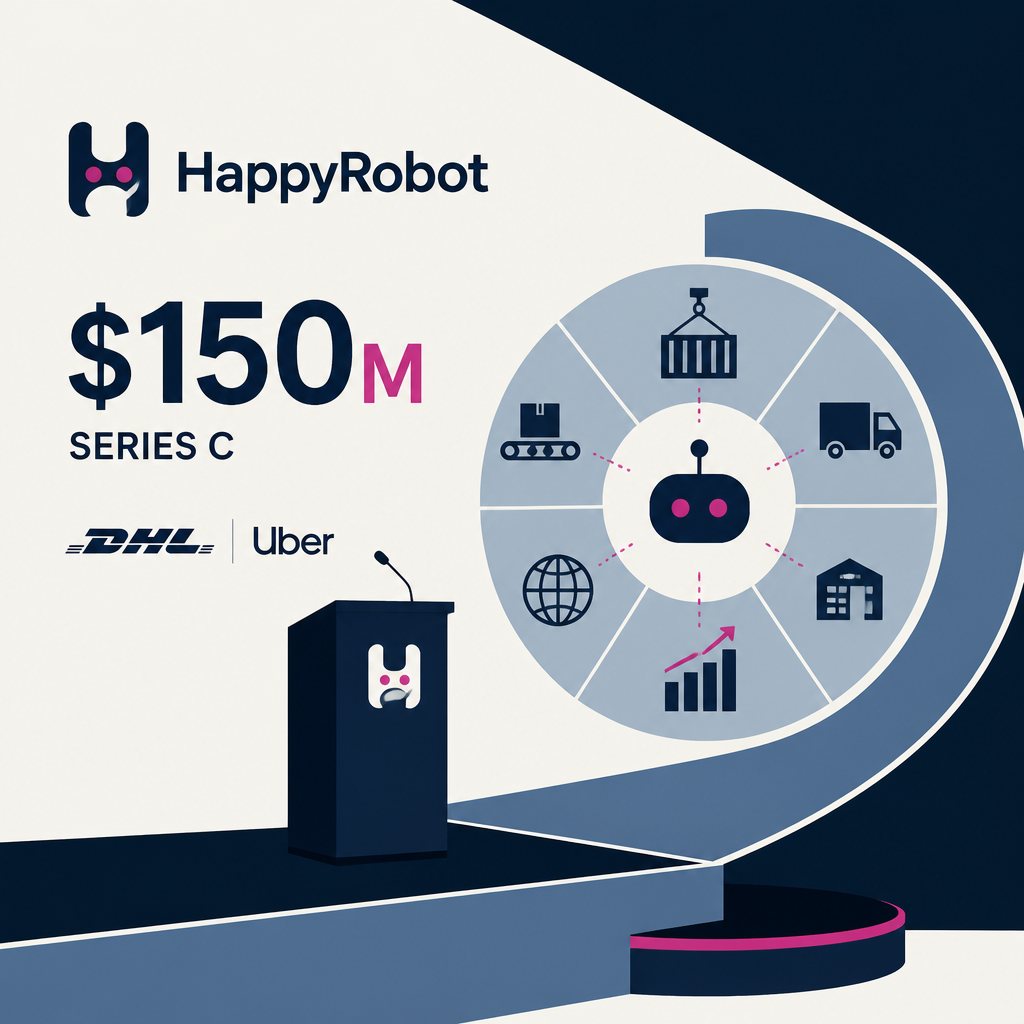
HappyRobot, an enterprise AI company building agents for supply chain and operational workflows, raised $150 million in Series C funding at a $1.2 billion valuation. The company serves 150+ customers including DHL and Uber, with one customer automating 28,000 work hours monthly and customer service agents achieving 9.4/10 satisfaction scores. The funding will expand HappyRobot's platform capabilities, enterprise integrations, and deployment teams across eight global offices.
LexisNexis opened a Customer Innovation Lab in New York City where legal professionals, engineers, and AI technologists collaborate to build AI solutions for legal work rather than developing tools separately and seeking feedback afterward. The lab brings prototypes from concept to production-ready software within weeks by having lawyers and legal experts shape solutions from day one, with early projects focusing on AI-assisted document drafting and review, which currently consume 40-60% of lawyers' time. The collaborative model aims to deliver legal AI that reflects specific firm practices, precedents, and standards while addressing real pain points in legal workflows.
Every AI story that matters,
in your inbox by 8am.
TLDRocket reads all relevant sources, removes duplicate coverage, and summarises the
day in two minutes. Follow companies and topics for alerts, or get the
briefing in Slack. Free, no spam, unsubscribe anytime.
Reading TLDRocket needs no cookies, and the readership counts we rely on come from
our own cookieless analytics. Google Analytics is the exception: it sets cookies and
reports to Google, so it stays switched off until you allow it. You can change your
mind any time from “Cookie settings” in the footer.
Strictly necessary
Session security and form protection (tldrocket-session,
XSRF-TOKEN, 2 hours). The site cannot work without them,
so they need no consent.
Always on
Google Analytics 4 (_ga,
_ga_<id>, up to 2 years). Measures which
stories and sections readers use. Google acts as a third-party processor and may
store the data outside the EU. No advertising, no profiling, no data sold.