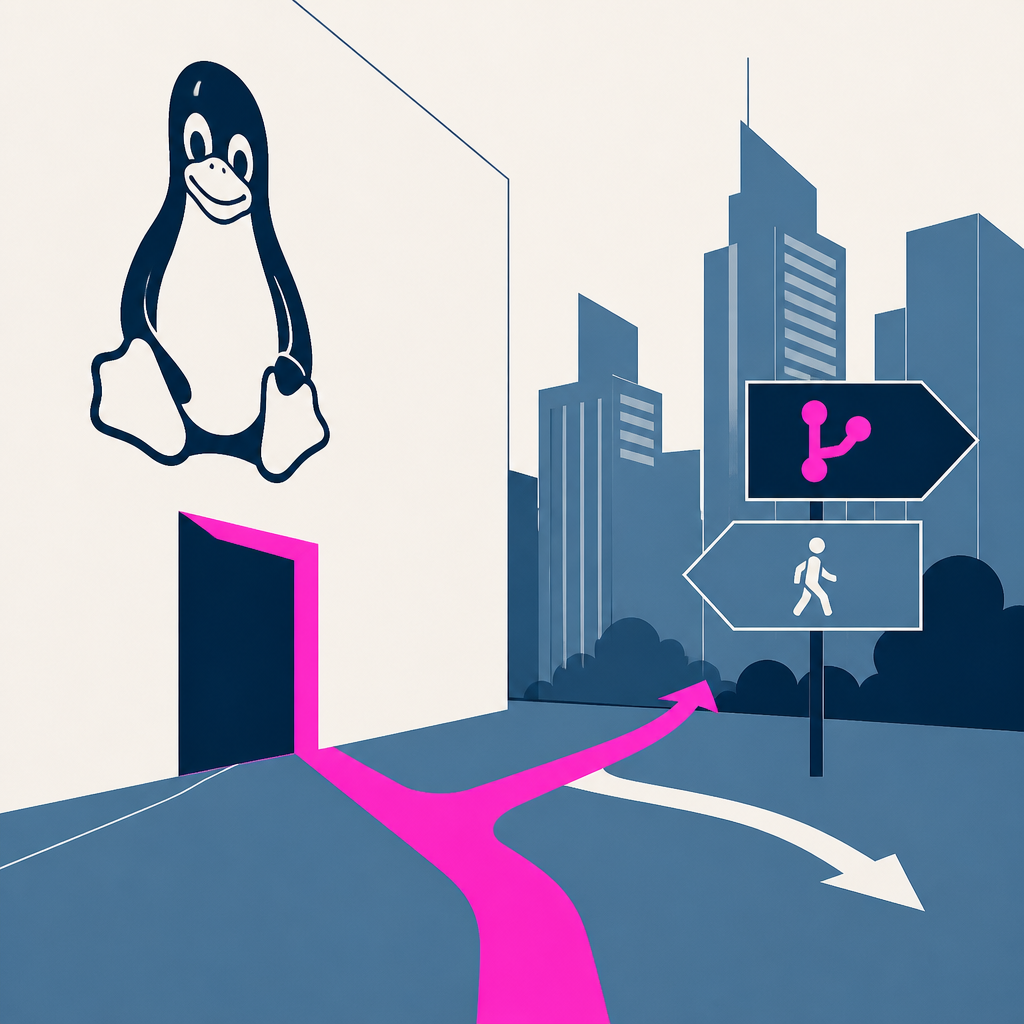
Linus Torvalds stated that Linux will permit AI-powered coding tools and told critics to fork the project or leave if they oppose their use. Sashiko, an AI code review system, identified 53.6 percent of bugs found by human reviewers in tests but generated false positive reports at an estimated 20 percent rate. This position establishes that Linux kernel development will continue integrating AI tools despite opposition from some contributors.
Amazon published a technical guide for building a restaurant AI voice ordering system using Amazon Bedrock AgentCore, Amazon Nova 2 Sonic, and Amazon Chime SDK Voice Connector that can answer incoming calls and take orders end-to-end. The system deploys as three layers—a telephony layer handling phone-specific concerns, an agent layer running the conversation logic in isolated microVMs, and a backend layer managing menus and orders through the Model Context Protocol. The solution addresses the problem of restaurants missing approximately 150 phone calls per location monthly, with 60 percent of those being customers attempting to place orders or book tables.
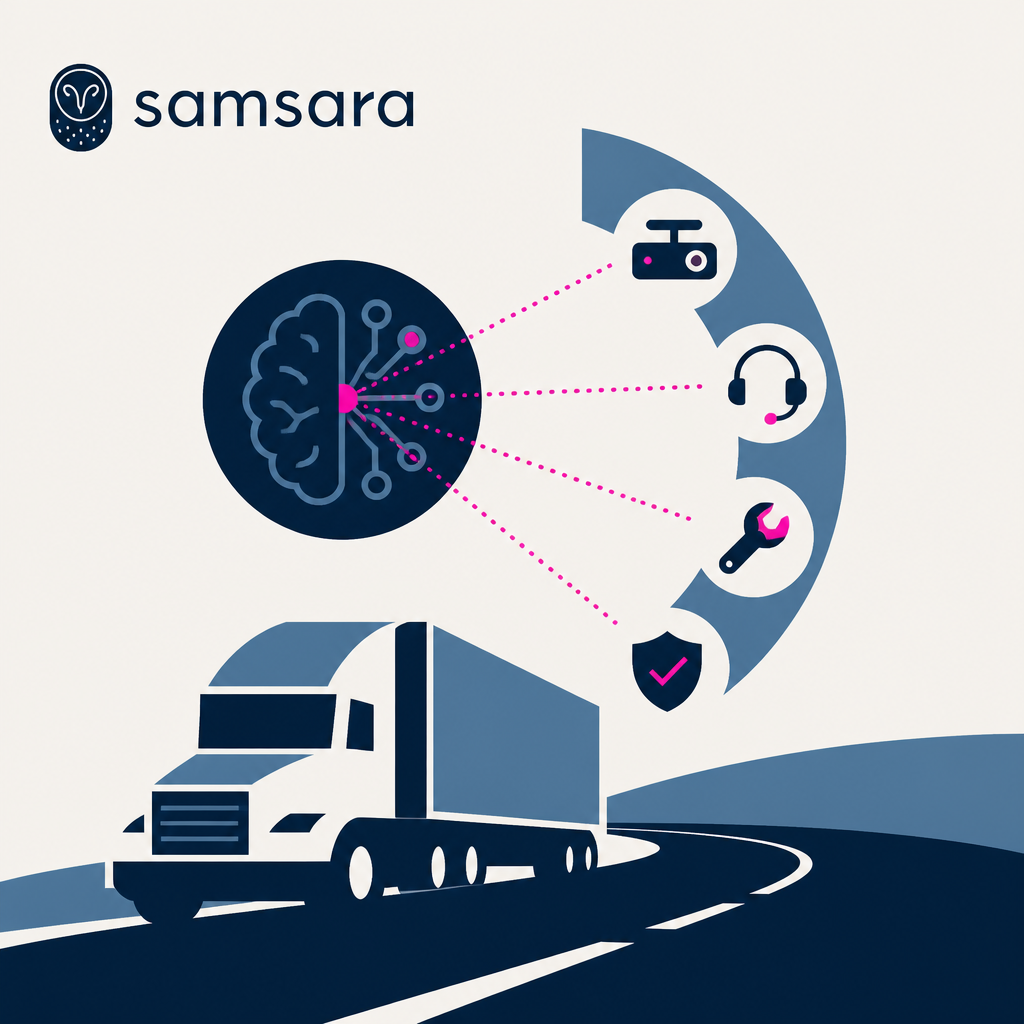
Samsara is deploying AI systems across fleet management operations including dash cams, dispatching, maintenance, and safety workflows for truck drivers. The company's AI agents handle real-world physical operations where decision errors directly impact vehicles, workers, and equipment safety. This represents a shift from office-based AI software to autonomous systems managing logistics and transportation infrastructure.
A developer describes Ambiance, a framework for deploying large language models as autonomous agents by designing a harness inspired by Unix/Linux architecture principles. The system uses a virtual filesystem hierarchy, event-driven kernel, and multiple LLM instances (root, pai, librarian) communicating via an event bus to reduce token overhead and improve agent reliability. The framework is available for testing at whitematterlabs.ai and emphasizes leveraging the LLM's existing knowledge of filesystems, text streams, and modular tools rather than teaching it novel interfaces.
Boop is an open-source iMessage-based personal agent template that runs on Claude or ChatGPT subscriptions, using the Claude Agent SDK or Codex runtime without requiring separate API keys. The system connects to 1000+ integrations through Composio (Gmail, Slack, GitHub, etc.), manages tiered memory with daily consolidation, dispatches tasks to specialized sub-agents, and includes a debug dashboard with timeline, automation, and memory visualization. Users can text natural language requests and receive responses with full context, plus optional local browser automation and Apple data access, though the creator explicitly states it is not optimized for cost or security and should be reviewed before personal use.
Visma, a European accounting software company, operates over 600 AI initiatives across its portfolio of accounting businesses to automate accounting tasks like invoice processing and bank reconciliation. The company's AI applications focus on four value categories: automation saving time, anomaly detection, advisory insights, and agentic workflow automation, with portfolio companies like Chaintrust and Dinero implementing these technologies in production systems. This shift moves accountants from manual data entry work to higher-value advisory roles such as client consultation and financial analysis.
Meta released Muse Spark, a multimodal reasoning model that supports tool-use, visual reasoning, and multi-agent coordination as the first product from its restructured AI efforts. The model requires over an order of magnitude less compute than Meta's previous Llama 4 Maverick model to reach equivalent performance levels. The release includes a private API preview and marks the beginning of Meta's stated scaling roadmap toward what it calls personal superintelligence.
Meta launched Muse Image, an image generation model that uses search tools, code execution, and self-refinement to follow instructions and edit images precisely, alongside a preview of Muse Video for video generation. Muse Image ranks No. 2 on Arena's human-preference Elo rankings for text-to-image and image editing tasks as of July 5, 2026. The models are now available in Meta AI app, meta.ai, and Instagram Stories in the US, with integration into Facebook and broader creator access coming soon.
Meta released Muse Spark 1.1, a multimodal reasoning model designed for agentic tasks with improved capabilities in tool use, coding, and computer interaction. The model supports a 1 million token context window and is now available in public preview through the new Meta Model API. Developers can access Muse Spark 1.1 to build agents that handle complex workflows, debugging, and automation across multiple applications without extensive human intervention.
OpenAI released a preview of its GPT-5.6 family of models—including GPT-5.6 Sol, Terra, and Luna—with performance comparable to Claude 5 Mythos, but initial access is restricted to approximately 20 U.S. government-approved organizations. GPT-5.6 Sol achieved 91.9 percent on Terminal-Bench 2.1 for command-line coding and scored 68.3 percent on World-Class Bio tests, a 10-point improvement over the prior generation. The restricted release and safeguards against dangerous biological, chemical, and cybersecurity information mean legitimate developers may face refusals or account reviews when using these cheaper models for security verification work.
Bunkerhill Health announced Carebricks, a platform for building and deploying AI agents that turn hospital data into timely clinical and operational actions. At UTMB Health, the deployment grew from 1 agent in production to more than 20. The result is a shift from stalled, single-use AI projects and multiple vendor point solutions toward faster iteration of an agentic AI platform inside healthcare systems.
Every AI story that matters,
in your inbox by 8am.
TLDRocket reads all relevant sources, removes duplicate coverage, and summarises the
day in two minutes. Follow companies and topics for alerts, or get the
briefing in Slack. Free, no spam, unsubscribe anytime.
Reading TLDRocket needs no cookies, and the readership counts we rely on come from
our own cookieless analytics. Google Analytics is the exception: it sets cookies and
reports to Google, so it stays switched off until you allow it. You can change your
mind any time from “Cookie settings” in the footer.
Strictly necessary
Session security and form protection (tldrocket-session,
XSRF-TOKEN, 2 hours). The site cannot work without them,
so they need no consent.
Always on
Google Analytics 4 (_ga,
_ga_<id>, up to 2 years). Measures which
stories and sections readers use. Google acts as a third-party processor and may
store the data outside the EU. No advertising, no profiling, no data sold.