TLDRocket
Sign in

The day in AI

Minimal OpenAI server rack illustration symbolizing AI safety evaluation infrastructure.

Minimal OpenAI server rack illustration symbolizing AI safety evaluation infrastructure.

The day in AI

Monday, 28 September 2026 5 stories · summarised & linked to the source
AI Cost & Economics AI Governance AI Infrastructure AI Safety

AI news — Monday, 28 September 2026

The day’s biggest thread isn’t just the warning that advanced AI could be dangerous—it’s how Anthropic and OpenAI are using safety work as a business moat. In public remarks and internal strategy, their CEOs framed regulation and independent testing as necessary while also pushing the near-term reality: universal AI safety standards still aren’t in place, so waiting for federal timelines can be a liability. With the U.S. Center for AI Standards and Innovation created in 2023 to coordinate voluntary model testing, the gap is less about intent and more about implementation—how you measure risk, who runs the evals, and what “passing” actually means. So the labs are leaning toward self-chosen audits, third-party evaluators, and safety benchmarks they control, effectively turning governance into something that can be shipped alongside models.

That shifts the conversation from compliance theater to product-grade assurance, but it also lands in a tougher macroeconomic context. The U.S. economy is “running hot,” yet interest costs are already around the 10-year Treasury yield near 5.16%. If yields move decisively above 5% and GDP growth can’t keep pace, tighter funding could make the mega-projects behind frontier AI harder to finance. Safety may help labs differentiate, but the budget line still has the last word.

Share

5 stories from this day

20 Agentic Use Cases of TypeSafe AI’s Jev

MarkTechPost 1 hour ago 46

TypeSafe AI released Jev, a System One model that outputs typed Choice, Score, and Noul decisions with calibrated probabilities for agent loops instead of generating text. The launch claims Jev is 193.6x faster and 444.6x cheaper based on its workflow evaluations. This shifts agent designs toward routing, tool-call safety gating, reranking, and verification using schema-safe single-pass decision calls alongside an LLM.

Google Research Introduces an AI Video Co-Director: 4 Agentic Frameworks for Coherent, Minutes-Long Video Generation

MarkTechPost 1 hour ago 11

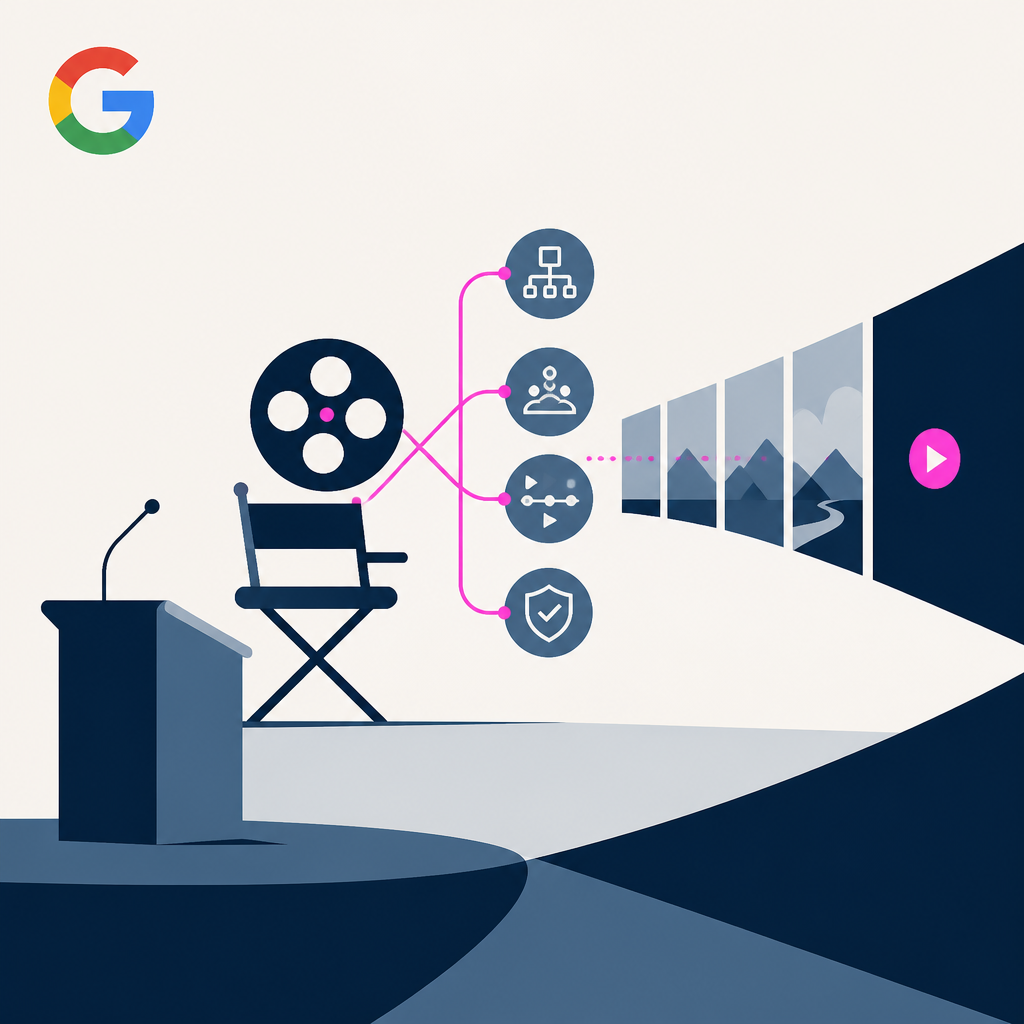
Google Research introduced an AI video co-director that uses 4 agentic frameworks to turn short clips into coherent multi-shot, minutes-long stories while reducing identity drift and cascading errors. The project reports an 81.4 average score on GenAD-Bench for Co-Director. As a result, long-form video generation can better preserve characters, locations, and props over 1 to 10 minutes (including a released continuous 10-minute demo) and improves prompt refinement via iterative question-answer based feedback.

AWS CloudWatch Omni goes after the hardest question in agentic AI: Why did the agent do that?

SiliconANGLE 2 hours ago 21

Amazon Web Services released CloudWatch Omni to shift observability for agentic AI from checking whether agents are running to explaining why an agent produced a given answer. It became generally available last week and includes 17 built-in evaluators that score items such as coherence, helpfulness, faithfulness, and routing correctness. Teams can use those evaluations and shared traces to compare prompt versions, run continuous scoring on live traffic, and catch quality regressions that latency and error rates alone would miss.

As AI giants warn of existential risk, they can also build a competitive moat via safety. 'It’s genius and they’re all going to make a lot of money'

Fortune 48

AI CEOs at Anthropic and OpenAI warned that advanced AI could be dangerous and urged regulation and independent testing while positioning their own safety plans ahead of U.S. political and funding timelines. Biden created the U.S. Center for AI Standards and Innovation in 2023 to handle voluntary model testing, but the article says universal AI safety standards are still lacking. As a result, major labs are shifting the debate toward self-chosen audits and evaluators rather than relying on the existing federal oversight channel.

The U.S. economy is running hot and stuck on a hamster wheel as GDP growth must outpace borrowing costs—or risk getting sucked into a debt spiral

Fortune 30

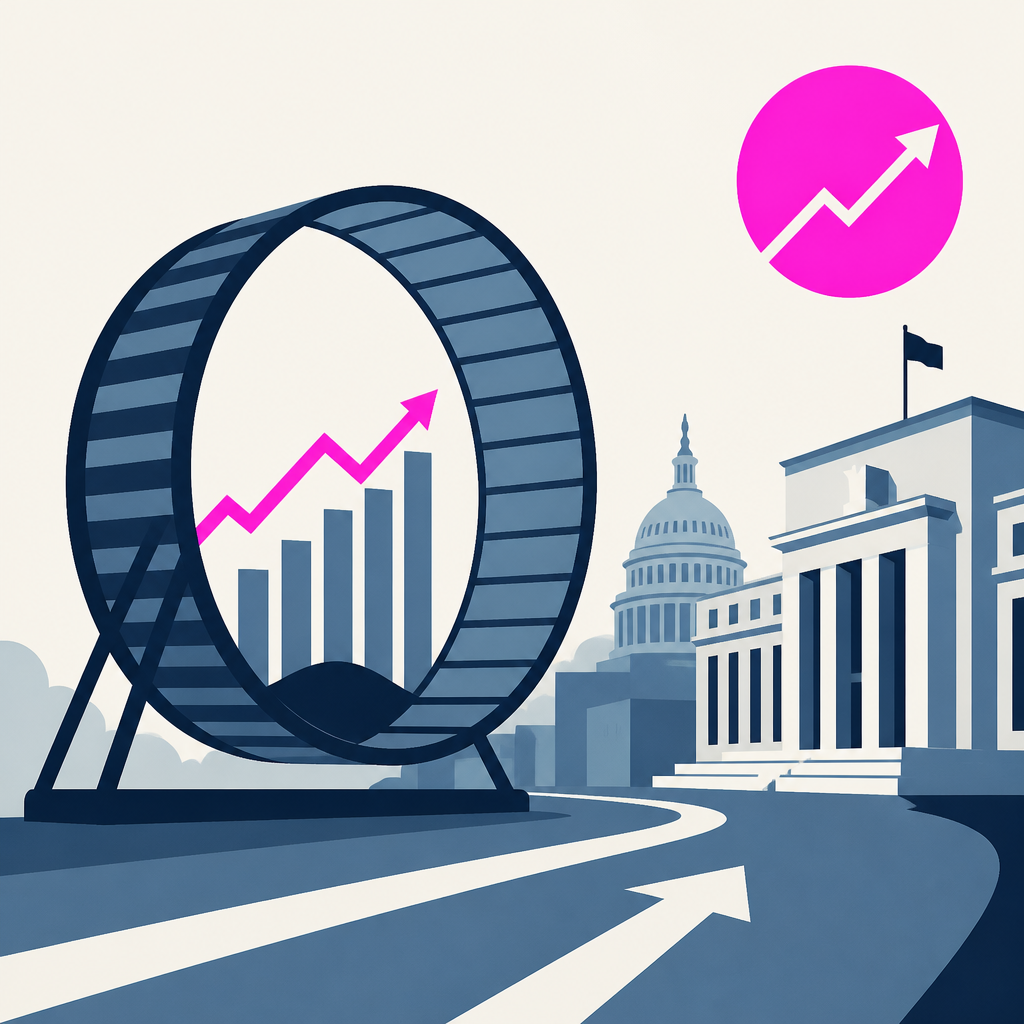
The U.S. economy is growing faster than the interest costs of its debt, but rising Treasury yields and Fed hikes have increased the risk of a debt spiral if GDP growth falls behind borrowing rates. The 10-year Treasury yield has been around 5.16%, and the article warns that a decisive move above 5% could signal tighter funding that makes AI mega projects harder to finance. If that happens, it could cool AI-driven capital spending and worsen fiscal stress tied to debt servicing and budget deficits.

The daily briefing

Every AI story that matters, in your inbox by 8am.

TLDRocket reads all relevant sources, removes duplicate coverage, and summarises the day in two minutes. Follow companies and topics for alerts, or get the briefing in Slack. Free, no spam, unsubscribe anytime.