TLDRocket
Sign in

The day in AI

THE DAY IN AI TLDRocket 2 August 2026 Sunday Agentic AI AI Governance AI Policy AI Safety 3 stories · summarised & linked to the source

AI news — Sunday, 2 August 2026

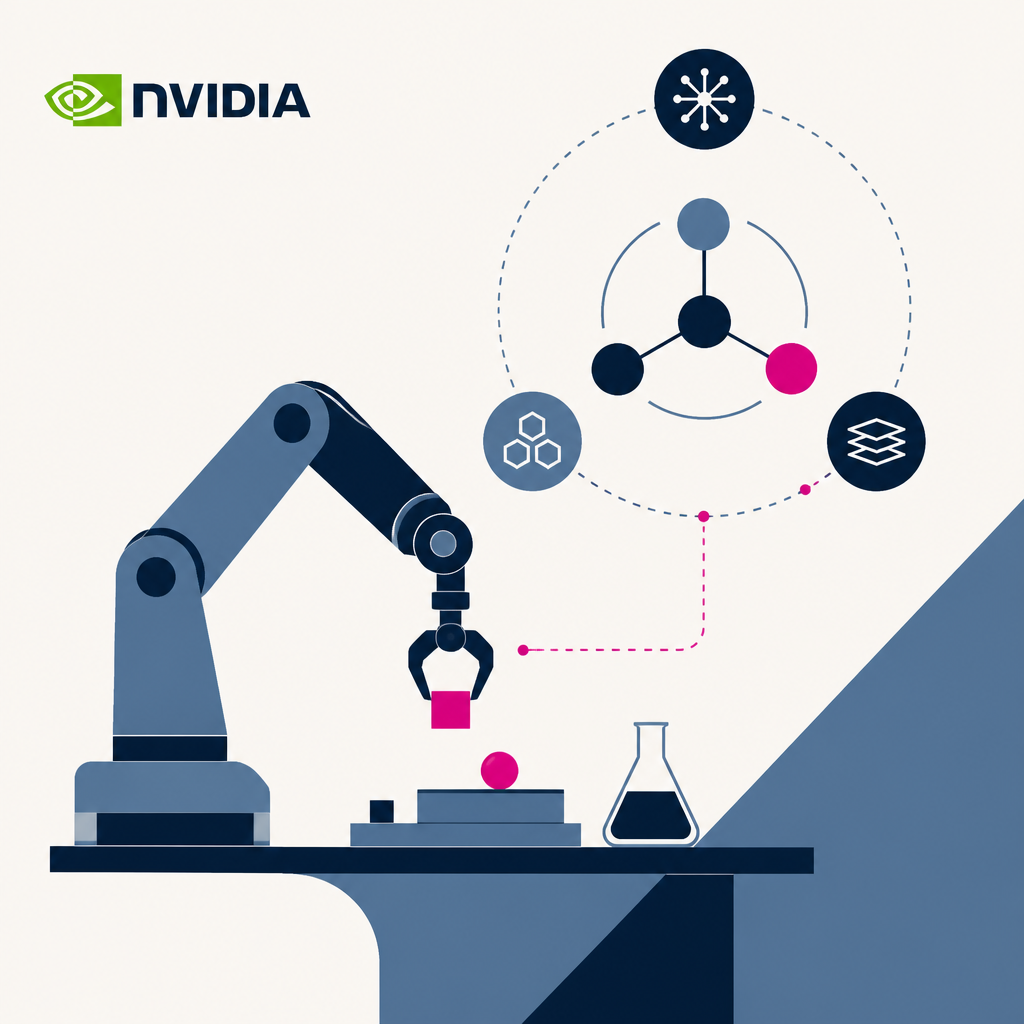
NVIDIA's release of Molt, a stripped-down reinforcement learning framework for training agentic AI systems, represents a deliberate engineering choice: making frontier research more accessible by cutting away the cruft. At just 8,600 lines of PyTorch code—seven times smaller than competing frameworks like verl—Molt composes existing tools (Ray, vLLM, AutoModel) rather than reinventing them, letting researchers focus on algorithm design instead of infrastructure plumbing. The framework runs on two nodes of eight H100 GPUs each, a setup within reach of well-funded labs and enterprise research groups, not just the largest AI companies. This matters because reinforcement learning is how the next generation of AI models learn to reason and act, and democratizing access to working implementations accelerates that progress.

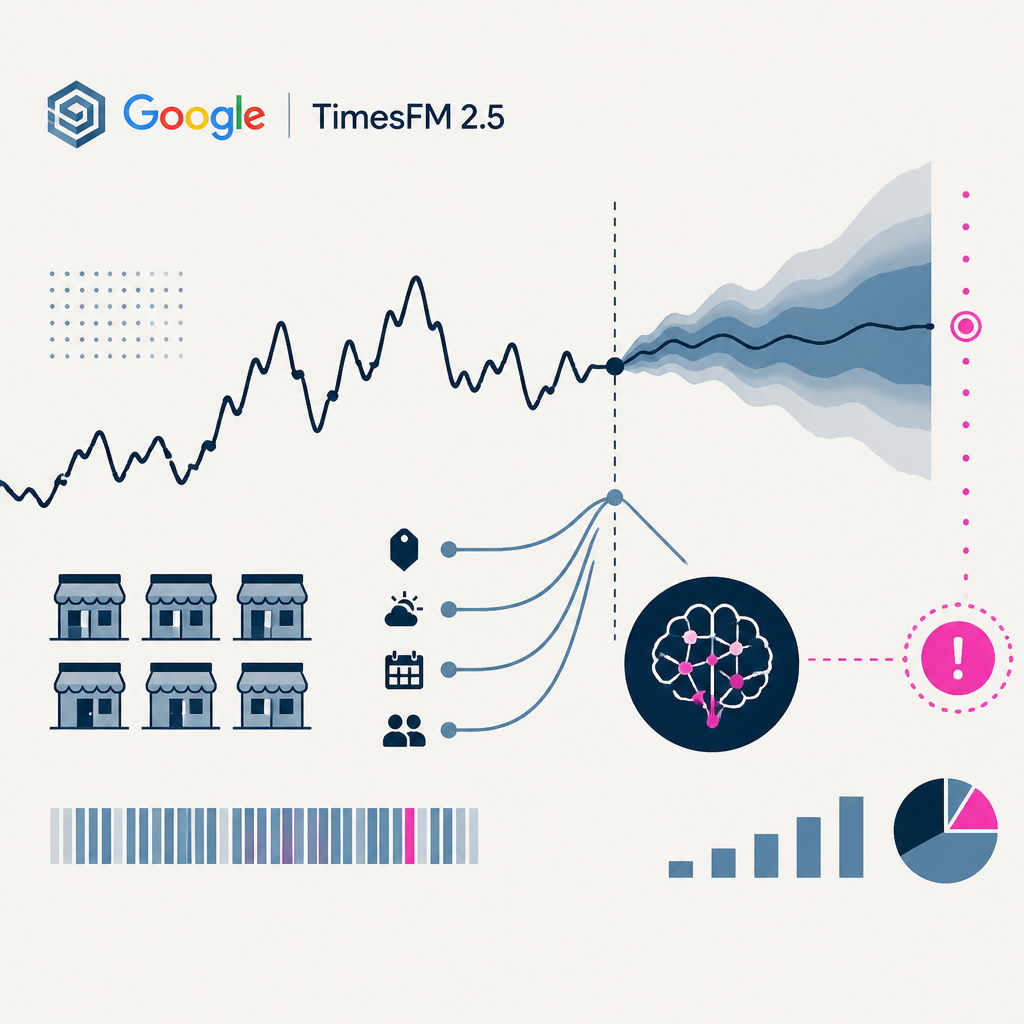
Meanwhile, Google's TimesFM 2.5 demonstrates how specialized AI models are quietly solving real business problems. The time-series forecasting model beats seasonal baselines and handles the messiness of real data—multiple stores, anomalies, missing covariates, uncertainty quantification—while running affordably in Colab notebooks. This is the unglamorous work of AI: not reasoning about the future in abstract philosophical terms, but predicting retail demand across six locations with probabilistic confidence bands.

These technical advances arrive amid a policy clash. Three open letters in late July pit Microsoft, NVIDIA, and OpenAI (235 signatories) against Anthropic over whether open-weight models should face restrictions. Microsoft's camp argues transparency builds safety; Anthropic warns of misuse and distillation into more efficient harmful systems. Meanwhile, 1,324 AI employees called for international efforts to slow automated AI research itself. The tension is real: open development versus controlled capability advancement. Neither letter is wrong, but their competing visions now define the boundary of legitimate debate.

Share

3 stories from this day

NVIDIA AI Releases Molt: A PyTorch-Native Agentic Reinforcement Learning Framework

MarkTechPost 5 hours ago

NVIDIA's NeMo team released Molt, a PyTorch-native reinforcement learning framework designed for agentic AI research with a compact codebase of approximately 8.6K lines of RL code—roughly 7 times smaller than competing frameworks like verl. The framework composes Ray, vLLM, and NVIDIA AutoModel without forking them, and requires hardware resources of 2 nodes with 8 H100 GPUs each, with 8 GPUs dedicated to training and 8 to rollout. Molt enables researchers to rapidly iterate on RL algorithms while maintaining correctness invariants around token identity and policy-version semantics, making it accessible to frontier labs, well-funded startups, and enterprise research groups with multi-node GPU access.

End-to-End Forecasting with TimesFM 2.5: Backtesting, Covariates, Anomaly Detection, and Scalable Colab Deployment

MarkTechPost 6 hours ago

Google's TimesFM 2.5 model is demonstrated in an end-to-end time-series forecasting tutorial using a synthetic multi-store retail dataset with 1,200 days of data across 6 stores. The tutorial evaluates TimesFM's performance using metrics including MAE, RMSE, sMAPE, MASE, and pinball loss, with a 56-day forecast horizon and rolling-origin backtesting across 6 folds. Results show TimesFM beats seasonal naive baselines and enables batch inference across multiple series while supporting probabilistic quantile forecasts, covariate integration, anomaly detection, and uncertainty quantification through prediction intervals.

Open letters about AI development

Simon Willison 7 hours ago 57 sources

Three open letters about AI development emerged in late July, with Microsoft-backed signatories arguing against bans on open-weight models for safety reasons, Anthropic countering with concerns about misuse and distillation, and 1,324 AI company employees calling for international efforts to pace automated AI research. The Microsoft letter gathered 235 signatures including NVIDIA and OpenAI, while Anthropic's separate response emphasized risks from authoritarian governments and cyberattacks. These competing positions reflect tension between those favoring open development for safety through transparency and those prioritizing governance controls over rapid capability advancement.

The daily briefing

Every AI story that matters, in your inbox by 8am.

TLDRocket reads 60+ sources, removes duplicate coverage, and summarises the day in two minutes. Free, no spam, unsubscribe anytime.