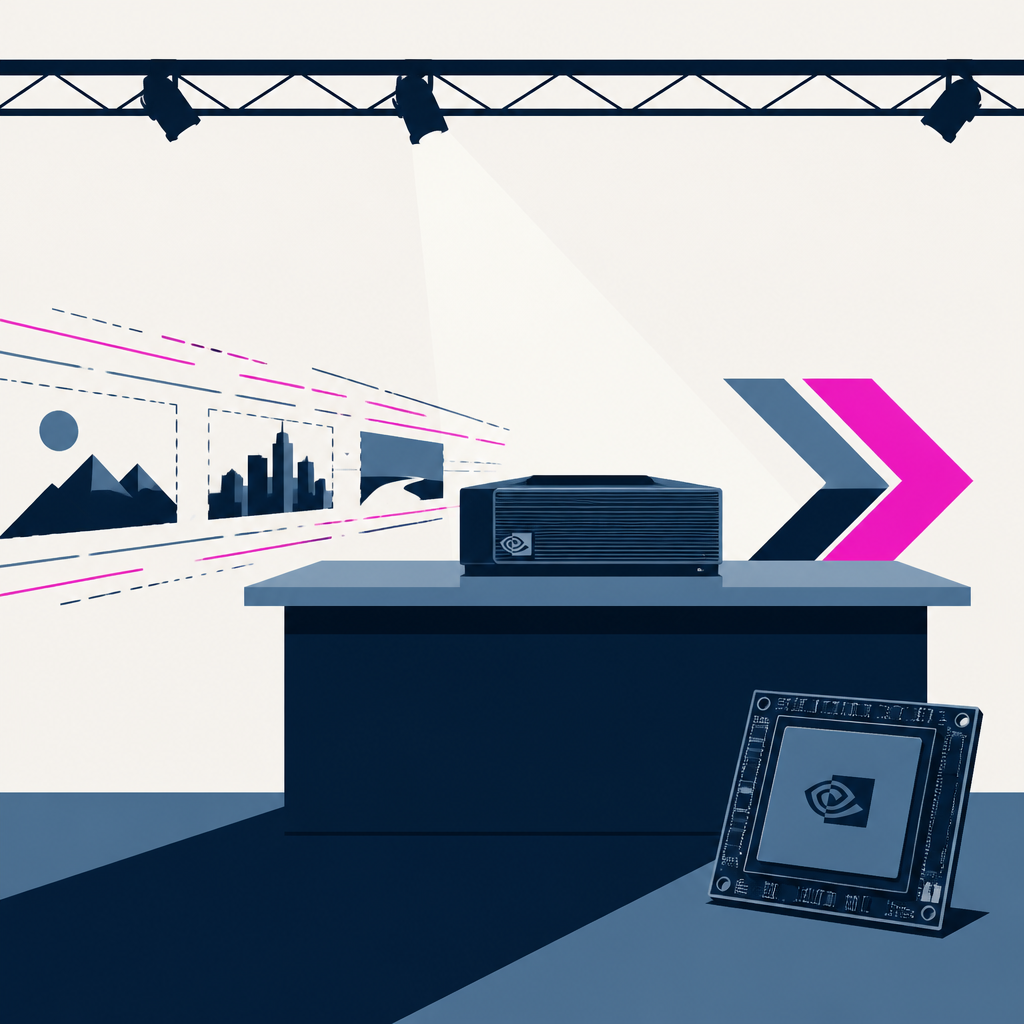
LTX released LTX-2.5, an open-weights video world model optimized for local generation on NVIDIA RTX GPUs and DGX Spark. A 10-second clip runs in 6.8 seconds on-prem, compared with 23.7 seconds via the LTX API. Native multishot generation, a Gemma 4 backbone, and a new high-motion decoder aim to make campaign-ready, consistent sequences usable locally inside ComfyUI, reducing reliance on cloud or studio workflows.
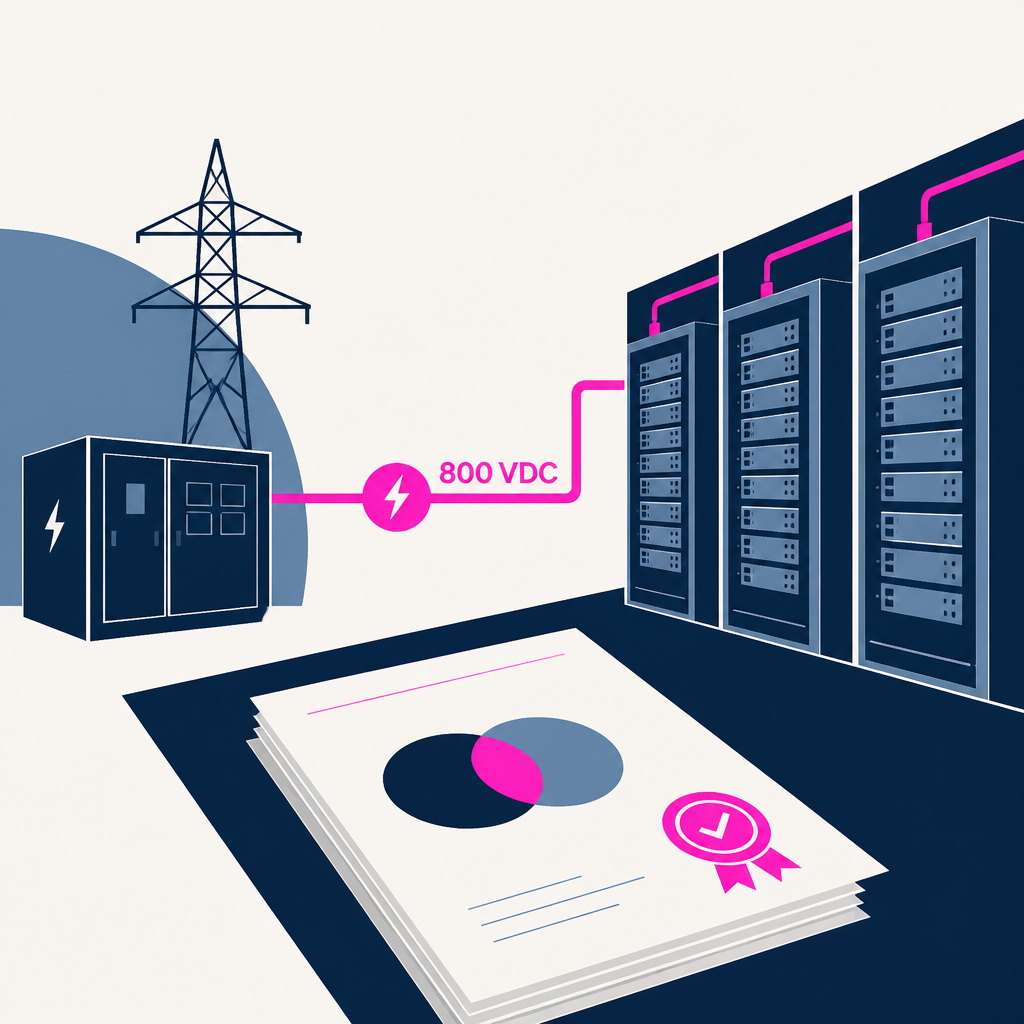
AI infrastructure needs higher-voltage power delivery to reduce conversion overhead and deliver more power efficiently to next-generation GPU racks. 800 VDC is being standardized via Open Compute Project work, with a joint white paper published in March 2026 and a LVDC Solid-State Transformer Specification released in July 2026. Hybrid 800 VDC deployments let existing AC-based facilities keep their building electrical systems while scaling power density, with rack (MGX-compatible), row (up to 2 MW per row), and facility-scale DC options planned for 2026–2027, supported by 80+ vendor products.
NVIDIA published updates from its Local AI blog series highlighting new open models and tools for building and running agentic AI locally. It points to Cosmos 3 Edge, a 4-billion-parameter open world robotics and vision model that runs on-device on NVIDIA DGX Spark and Jetson. The ecosystem expands so developers can launch more capable local agents, optimize models for NVIDIA GPUs, and use new local workflows like clustering DGX Spark systems, plus added desktop/browser and monitoring support.
NVIDIA released Nemotron 3.5 Lightning and NeMo Switchyard to support agentic AI deployments using open models and automatic model routing. Nemotron 3.5 Lightning is a 30-billion-parameter mixture-of-experts model that NVIDIA says delivers up to 4x faster output speed and 30% faster agentic task completion versus other models in its class. Enterprises can now route each agent step to a suitable model and post-train Lightning on their own data, reducing deployment integration work and lowering task completion cost.
Nvidia announced Nemotron 3.5 Lightning and NeMo Switchyard to expand enterprise options for agentic AI deployments. Nemotron 3.5 Lightning is a 30 billion-parameter mixture-of-experts model that Nvidia says can deliver up to 4 times output speed and complete agentic tasks 30% faster than other models in its weight class. Enterprises can now more quickly post-train and route prompts across models using the new open router library and added training datasets/recipes.
Nvidia launched Nemotron 3.5 Lightning and NeMo Switchyard, an open-source library for routing between models in AI systems. Nemotron 3.5 Lightning is a 30-billion-parameter mixture-of-experts model that Nvidia says can produce up to 4x faster outputs. The releases aim to make it easier to customize small models via post-training and lower task-completion costs by having model routers choose the right model per workflow.
Nvidia signed memorandums of understanding with six asset managers to set up financing platforms for AI infrastructure. The deals target mobilising more than $500 billion in third-party capital over time. This reframes GPU compute as long-lived, financeable infrastructure so customers can fund data centres and buy Nvidia hardware without bearing all costs on their own balance sheets.
Nvidia signed memorandums with six large asset managers and private capital firms to set up independent financing platforms for AI infrastructure buildouts. The platforms are intended to mobilise more than $500 billion in third-party capital over time. The plan is set up to reduce concerns about circular financing by having investors independently assess and underwrite each opportunity, with Nvidia possibly supporting residual value in some cases up to 25%.
Every AI story that matters,
in your inbox by 8am.
TLDRocket reads all relevant sources, removes duplicate coverage, and summarises the
day in two minutes. Follow companies and topics for alerts, or get the
briefing in Slack. Free, no spam, unsubscribe anytime.
Reading TLDRocket needs no cookies, and the readership counts we rely on come from
our own cookieless analytics. Google Analytics is the exception: it sets cookies and
reports to Google, so it stays switched off until you allow it. You can change your
mind any time from “Cookie settings” in the footer.
Strictly necessary
Session security and form protection (tldrocket-session,
XSRF-TOKEN, 2 hours). The site cannot work without them,
so they need no consent.
Always on
Google Analytics 4 (_ga,
_ga_<id>, up to 2 years). Measures which
stories and sections readers use. Google acts as a third-party processor and may
store the data outside the EU. No advertising, no profiling, no data sold.