IBM and CoreWeave co-designed workload controls for agent execution, extending IBM’s research infrastructure from model training into isolated code-running and testing. They built a large H100 cluster for IBM Research’s Granite workflows. The work resulted in joint identity integration plus CoreWeave Sandboxes that let researchers choose where agent code runs and what resources it can access.
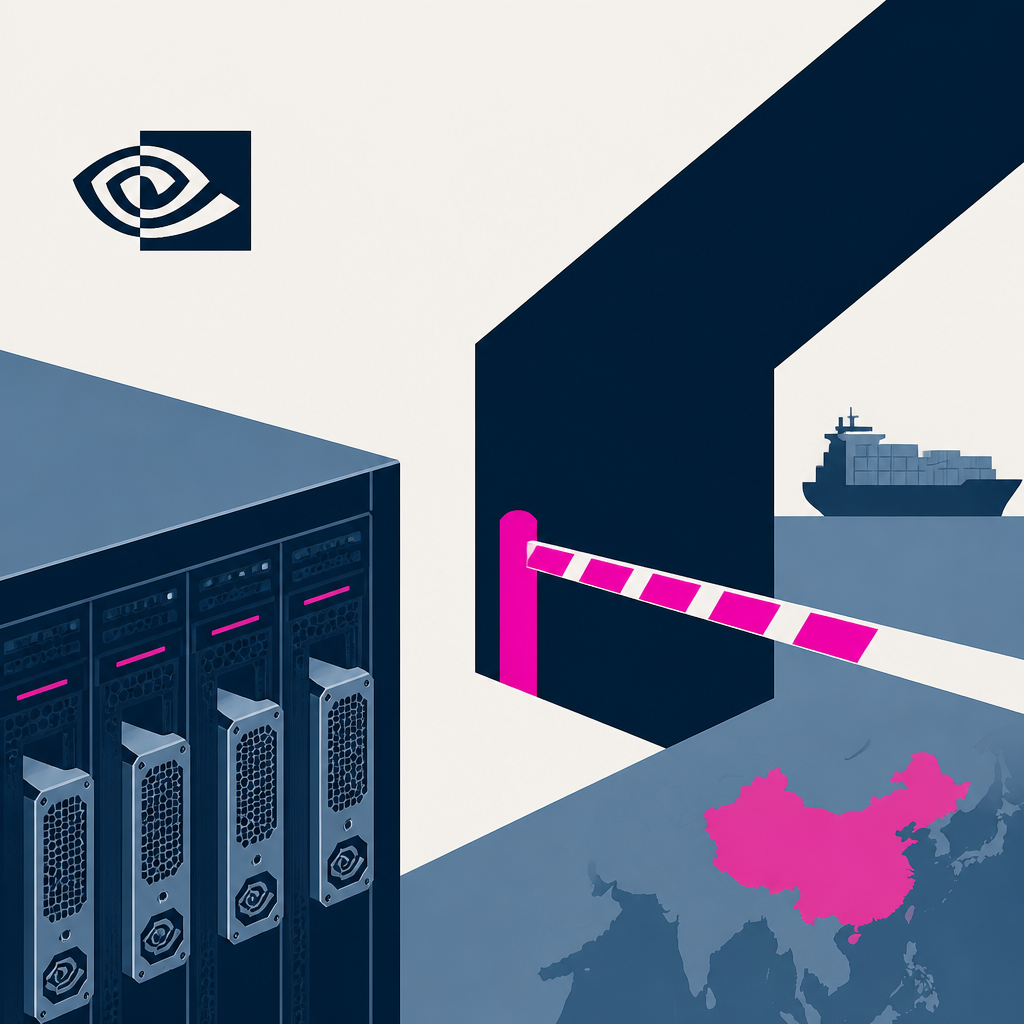
The US arrested Greg Lui, CEO of Earthmade Computer, over alleged export-controlled shipments of Nvidia chip servers to China. The indictment says the servers were worth more than $300 million and involved Nvidia’s A100 and H100 GPUs. The case may lead to prosecutions and tighter scrutiny of shipments that could enable faster AI model training in China.
NVIDIA announced a 64GB version of its DGX Spark desktop AI system aimed at running local models and always-on agents, with optional clustering for more capacity. The DGX Spark 64GB is rated up to 1 petaFLOP of FP4 AI compute. As a result, developers can keep token use local (avoiding per-token API billing) and scale by clustering two 64GB units for 128GB memory and higher throughput, instead of moving workloads to metered cloud services.
Road to KubeCon argues that AI agent harnesses should move from laptop-style, local setups to cloud-native designs that separate the agent loop from supporting infrastructure and services. Koordinator was used by Zhuoyu Technology to push on-Kubernetes GPU allocation above 95% and GPU utilization above 55%, addressing inefficiencies from the default Kubernetes scheduler. As a result, agent and workload management becomes more distributed and scalable, with better scheduling outcomes for AI and other microservice workloads.
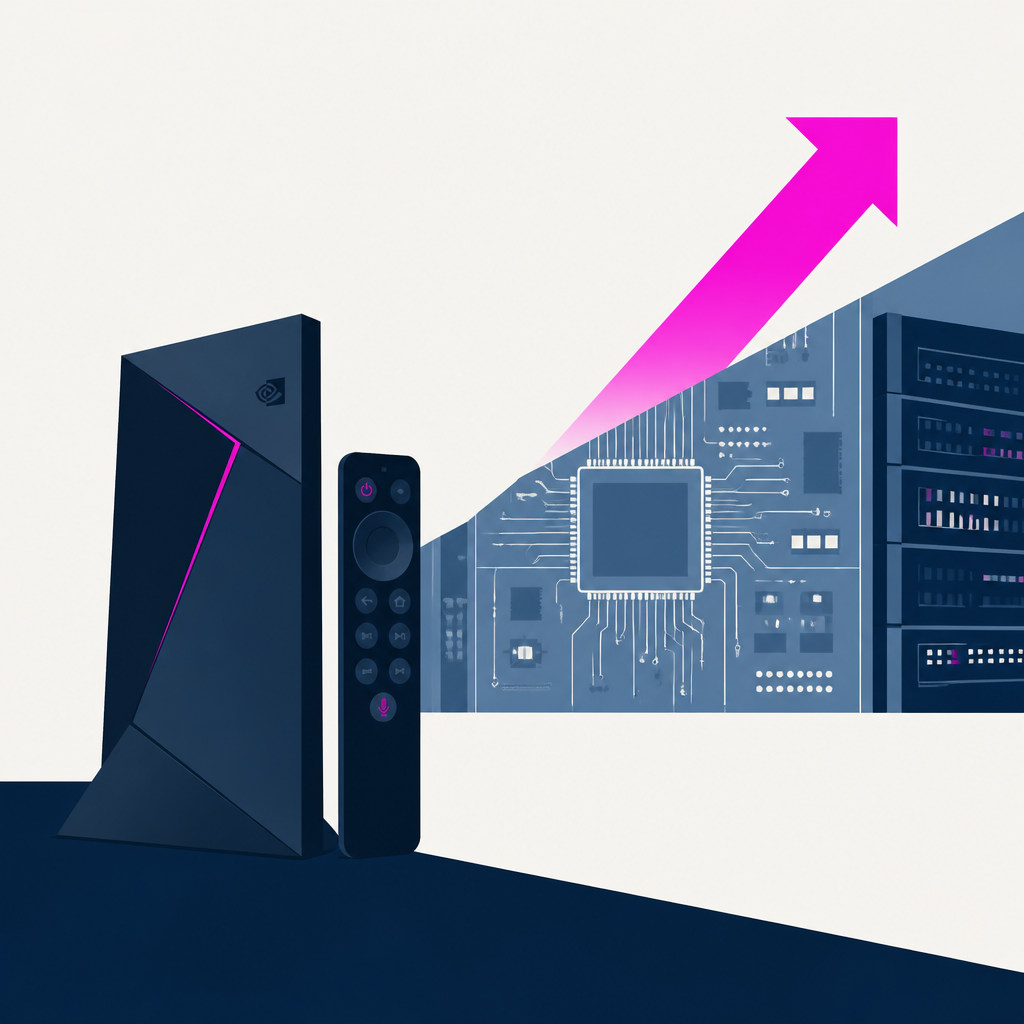
Nvidia announced the Shield TV Pro would rise in price effective immediately. Starting October 2, the Shield Pro will cost $299.99 instead of $199.99. Nvidia says higher component costs, including memory, are driving the change, attributing it to industry-wide effects from generative AI supply chains.
NVIDIA will release a DGX Spark configuration with 64GB of unified memory through partner PC makers to run local AI agents and models with its software stack. The 64GB SKU starts at $4,999 and is available from Oct. 23. Developers can scale by clustering two units to pool memory and run larger models with NVIDIA Sync without reconfiguring the software environment.
Volantis raised $88 million to develop its A-1 photonic memory architecture for AI inference. The company targets models over 20 trillion parameters at up to 10,000 tokens per second per user and plans to deliver its first integrated inference engines in 2027. The funding supports expanding its engineering team and moving toward commercial customer deployments of the photonic inference platform.
Amazon plans to spin off about $8 billion worth of Nvidia Grace Blackwell chips into a special purpose vehicle and then lease the chips back for use in US data centers. The proposal would involve thousands of Grace Blackwell chips and is reported by the Financial Times as an $8 billion carve-out. The financing would shift expensive chip costs to external investors while supporting Amazon’s asset-light balance-sheet strategy alongside its >$200 billion capital expenditure plan.
Alex Zhang of MIT discussed research on recursive language models and “harnesses” as compositional systems in an interview/podcast focused on AI tooling and agent architectures. The first 30 Latent Space subscribers get a 30% off code for new tickets (no refunds), with the event set for 2 weeks later. The episode shifts from past GPU-kernel communities to how AI-written kernels and multi-agent swarms raise capability and verification questions that shape future research bets.
Every AI story that matters,
in your inbox by 8am.
TLDRocket reads all relevant sources, removes duplicate coverage, and summarises the
day in two minutes. Follow companies and topics for alerts, or get the
briefing in Slack. Free, no spam, unsubscribe anytime.
Reading TLDRocket needs no cookies, and the readership counts we rely on come from
our own cookieless analytics. Google Analytics is the exception: it sets cookies and
reports to Google, so it stays switched off until you allow it. You can change your
mind any time from “Cookie settings” in the footer.
Strictly necessary
Session security and form protection (tldrocket-session,
XSRF-TOKEN, 2 hours). The site cannot work without them,
so they need no consent.
Always on
Google Analytics 4 (_ga,
_ga_<id>, up to 2 years). Measures which
stories and sections readers use. Google acts as a third-party processor and may
store the data outside the EU. No advertising, no profiling, no data sold.