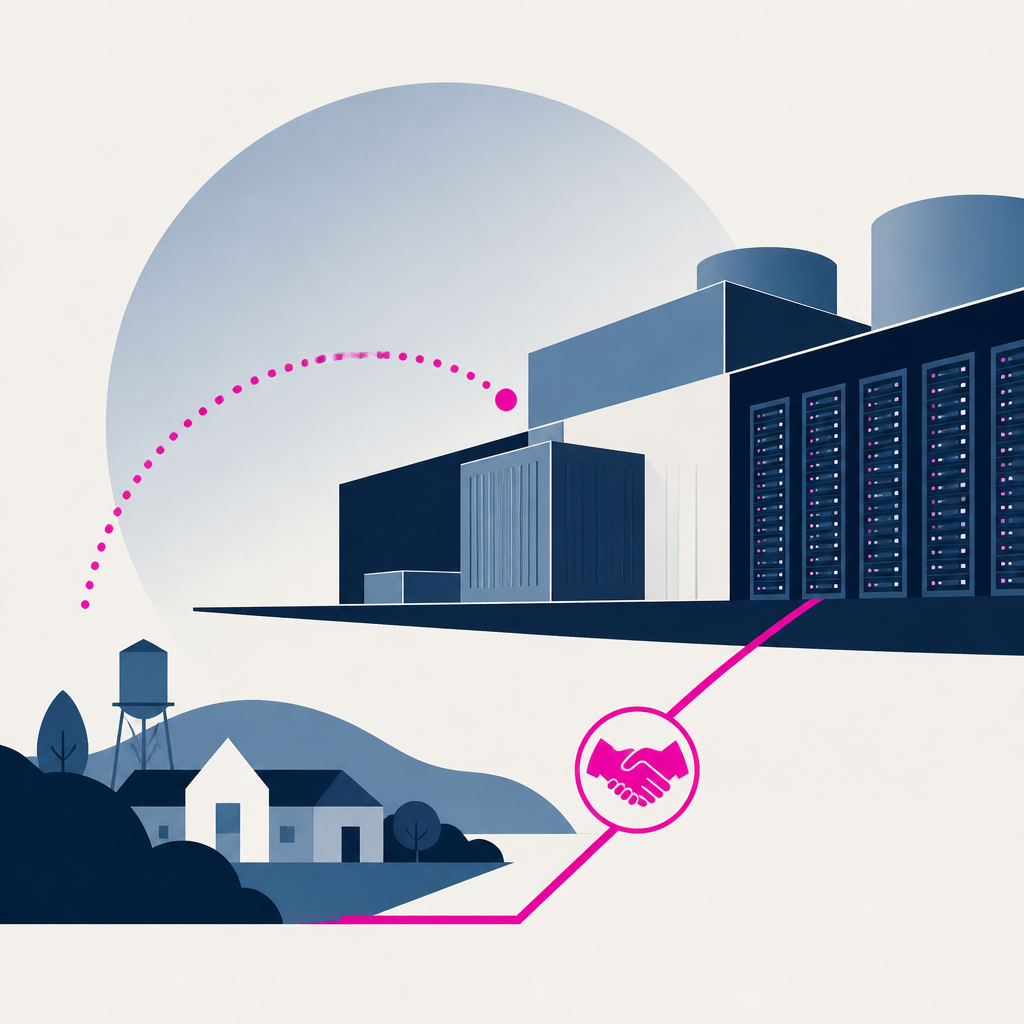
Google, Amazon, Meta, and Microsoft promised to share fewer details under fewer secrecy measures and to increase payments and disclosure to U.S. host communities as local opposition grows around AI-powered data centers. They said they will spend more than $600 billion this year on capital projects combined, and Meta and Amazon each plan $1 billion in financial incentives to host communities in the coming years. As a result, companies are adding transparency about energy and water use, ending requirements for government non-disclosure agreements, expanding local money for programs, and also changing tactics to win permits and reduce political friction.
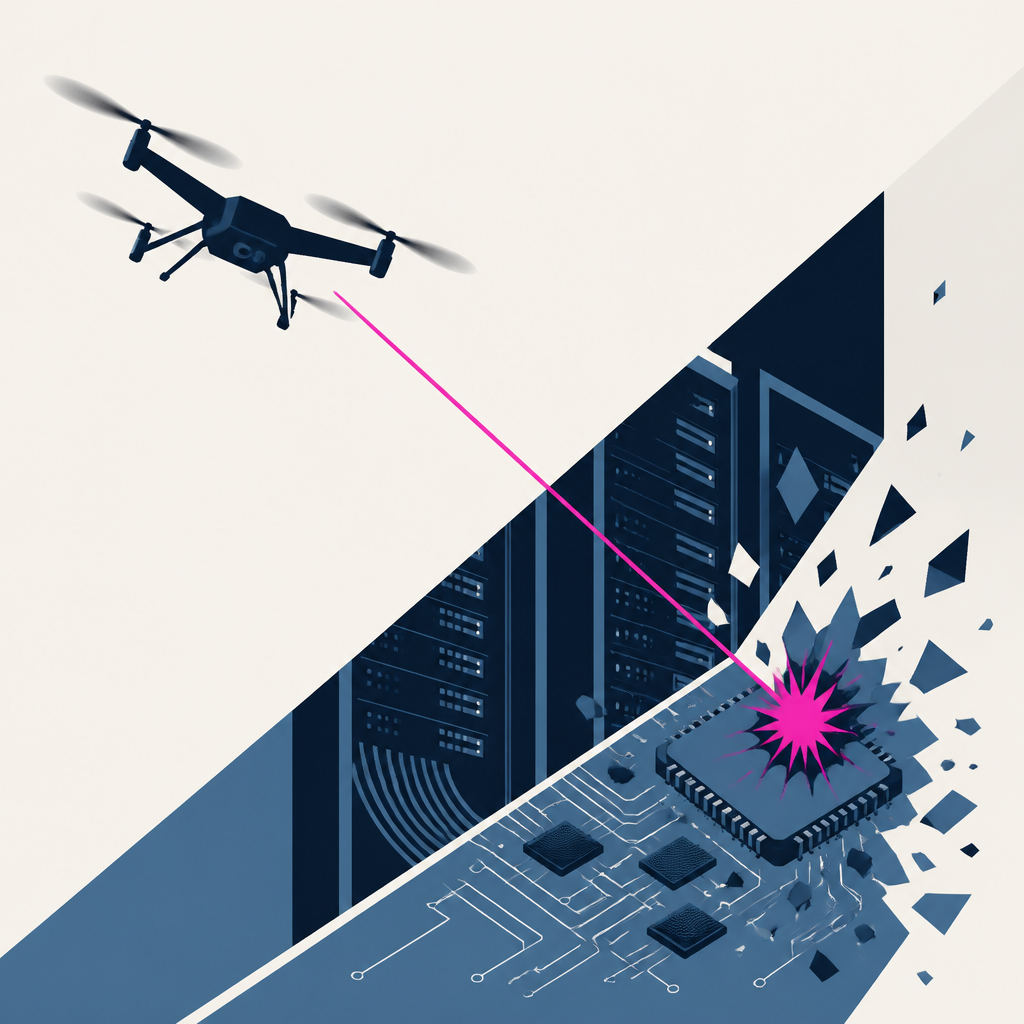
Ukrainian drone attacks damaged major Russian data centers used by Yandex, Sberbank, and VKontakte, causing widespread outages in cloud, payments, e-commerce, ride-hailing, and AI assistant services. The story cites strikes on three Yandex data centers in October 2024 (Sasovo, Kaluga, and Vladimir), along with later hits including Sberbank on Oct. 14 and VKontakte on four days later in St. Petersburg. Repair work is expected to take months to years, which could further delay Russia’s AI development and push some companies to shift data and computing assets abroad.
Flapping Airplanes raised a $1B Series A to pursue ways to train AI models using less data and compute, including software meant to let GPUs run more efficiently. The round valued the company at $6B, up from a $1.5B valuation at its $180M seed in January. With the new funding and added board involvement, the lab can keep building and aims to eventually sell its technology, but it still has no product on sale.
European cloud funding in H1 2026 was concentrated in infrastructure investment, with about €5.9 billion raised across eight transactions and the largest rounds going to UK companies. The biggest single figure was Nscale’s $4.19 billion financing in three transactions, including a $2 billion Series C in March 2026. The result is continued capital concentration in large data-centre and AI infrastructure builders, while smaller cloud tooling firms in Germany and the Czech Republic raised much smaller amounts focused on management, security, and deployment.
WD says AI inference can create large retained back-end datasets that are often missed when planning AI infrastructure costs. In one measured case, an 8-second video clip returned as a 3.97MB 720p file left over 500MB of associated data behind, about 130x the output size. It argues organizations should budget and architect storage for the full data life cycle and faster retrieval needs so storage costs don’t silently overtake compute as usage scales.
European banks and financial firms at GTC Berlin said they are deploying open-weight foundation models and training/serving them on their own infrastructure with NVIDIA-accelerated computing. Revolut said it is scaling its PRAGMA foundation model to serve an initial 80 million customers and is engineered to scale 3x. The shift enables more proprietary, production-scale “intelligence” on internal data, with reported cost and speed improvements across fraud detection, transaction processing, and analytics pipelines.
NVIDIA expanded its Cosmos platform with additional tools for training, simulation checkpoints, and Data Factory blueprints for building world models for physical AI. It said Porsche’s shared autonomous-vehicle data flywheel using Cosmos Data Factory could reduce repeated physical test drives by up to 90% and shorten development cycle times by up to 85%. As a result, developers can generate and curate multimodal training data, fine-tune open models, and deploy faster video-capable inference via updated Cosmos/NIM microservices and related blueprints.
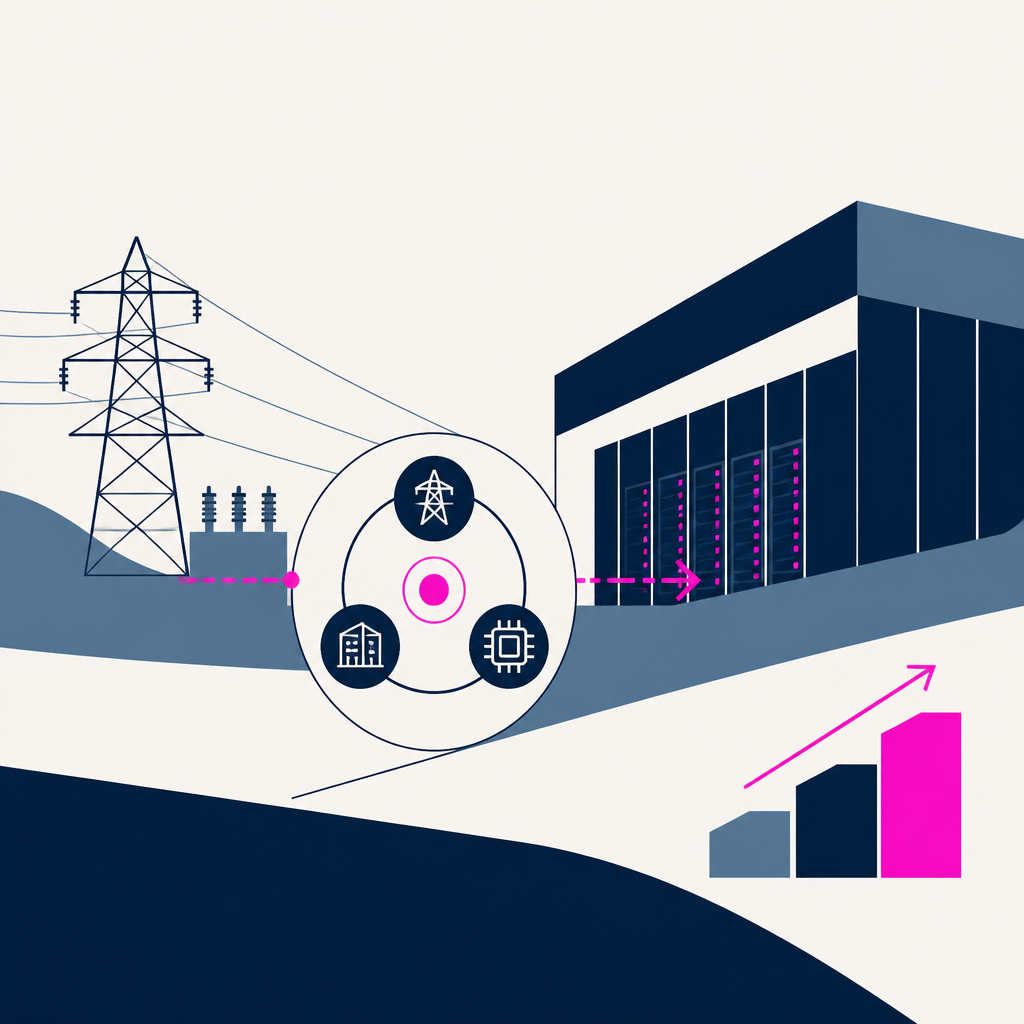
NVIDIA DSX AI Factory Platform adoption by energy and infrastructure firms targets the power grid as the main bottleneck for AI factory buildouts by integrating grid, facility, and compute planning and simulation end to end. One concrete example is Phaidra reporting about 10% more compute within the same power envelope after integrating DSX Flex, DSX Max-Q, and DSX Exchange into its self-learning agents. As a result, companies can validate generators and switching before construction, sync AI demand to grid conditions, and optimize cooling and power allocation to increase token output while improving grid reliability.
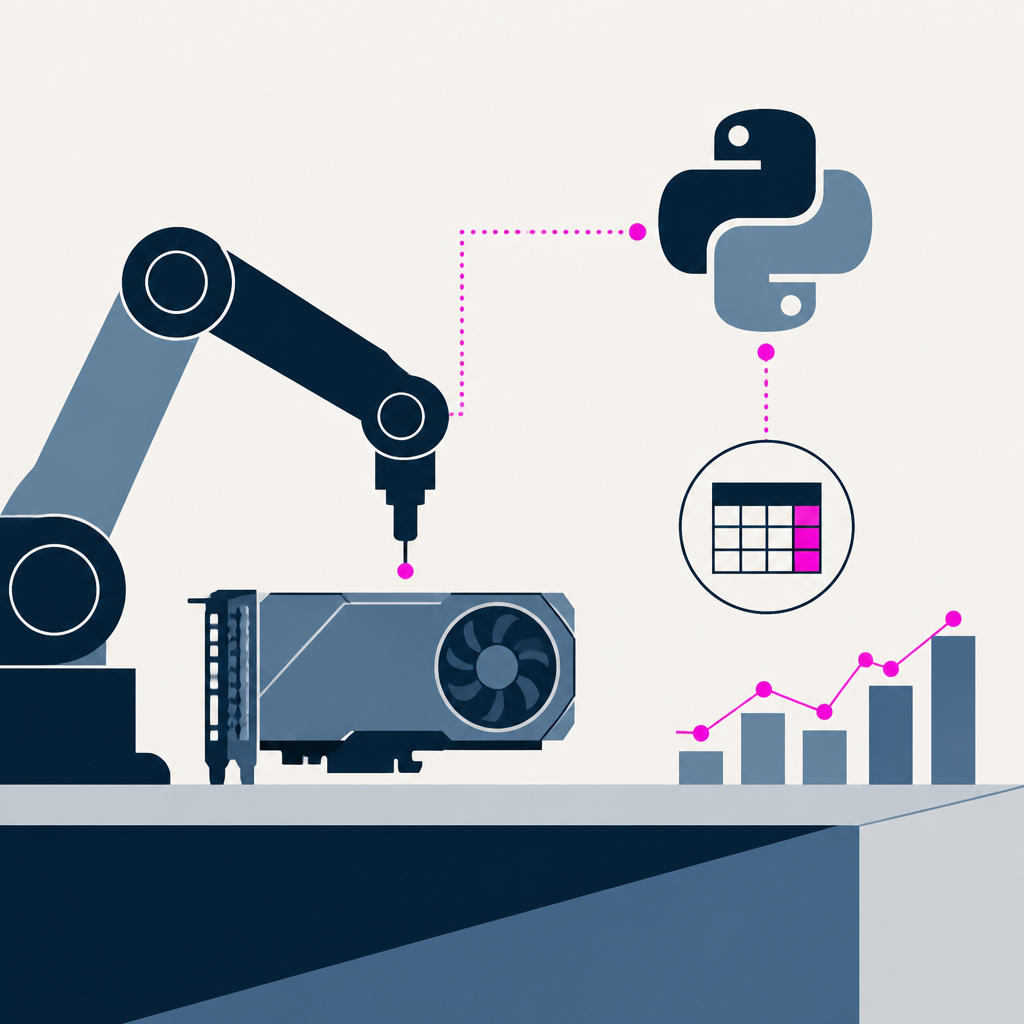
NVIDIA’s Nsight Python tutorial shows how to profile GPU kernels from within a running Python process by annotating the benchmarked regions and exporting results as a pandas DataFrame. It requires Nsight Compute version 2026.2.1 or later and demonstrates the workflow on a free Colab T4 using Nsight Python 1.0+ with an attach-mode setup. The process shifts profiling from a separate command-line/report workflow to inline benchmarking with per-annotation metrics, including updated options for cache/clock sweeps and an experimental CUPTI backend.
Every AI story that matters,
in your inbox by 8am.
TLDRocket reads all relevant sources, removes duplicate coverage, and summarises the
day in two minutes. Follow companies and topics for alerts, or get the
briefing in Slack. Free, no spam, unsubscribe anytime.
Reading TLDRocket needs no cookies, and the readership counts we rely on come from
our own cookieless analytics. Google Analytics is the exception: it sets cookies and
reports to Google, so it stays switched off until you allow it. You can change your
mind any time from “Cookie settings” in the footer.
Strictly necessary
Session security and form protection (tldrocket-session,
XSRF-TOKEN, 2 hours). The site cannot work without them,
so they need no consent.
Always on
Google Analytics 4 (_ga,
_ga_<id>, up to 2 years). Measures which
stories and sections readers use. Google acts as a third-party processor and may
store the data outside the EU. No advertising, no profiling, no data sold.