Google rolled out early access to a Model Context Protocol (MCP) server for Google Home so AI agents that support MCP can control Google Home smart devices and access event history. The MCP server rollout is starting today and will reach subscribers paying for Google Home Premium Advanced in the U.S., a $20-per-month tier. Users now must create a Google Cloud project, configure Home MCP, and then sign in and grant permissions to an MCP-capable agent to set up device control and features like camera summary review and activity monitoring.
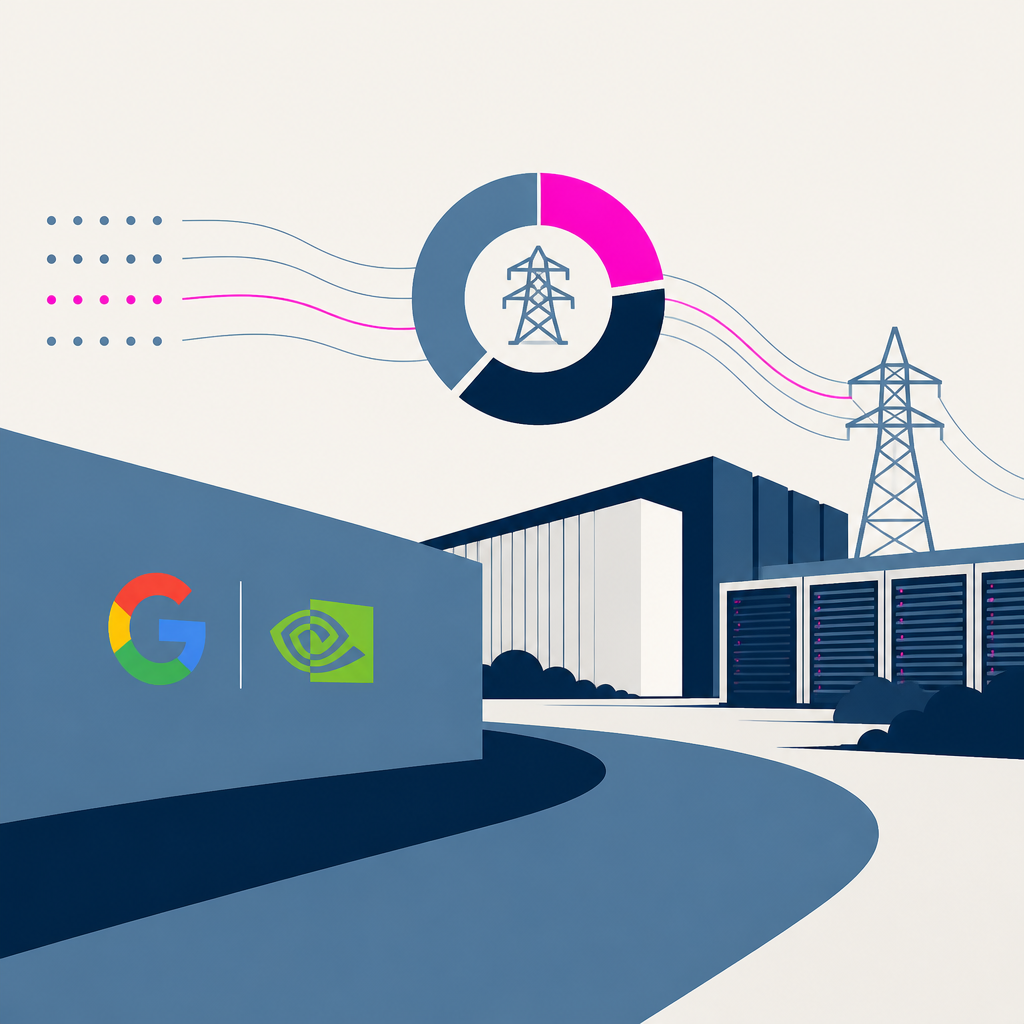
Varun Sivaram, Emerald AI, Google, and NVIDIA announced the founding of the AI Energy Management Alliance to promote more flexible operation of AI data centers for the power grid. The alliance launches with 18 member companies and cites that a 10% increase in utilization could lower rates by about 3.4%. It aims to speed up and expand grid connections for data centers that commit to flexibility, supported by demand-response, grid policies, and proof-of-concept demonstrations later this year.
Google will let third-party AI agents integrate with Google Home so they can access and control connected smart home devices and monitor event history. The integration is called Google Home MCP and it uses the Model Context Protocol. This adds support for agents like Claude and Open Claw to work through Google Home and act on your behalf.
Every AI story that matters,
in your inbox by 8am.
TLDRocket reads all relevant sources, removes duplicate coverage, and summarises the
day in two minutes. Follow companies and topics for alerts, or get the
briefing in Slack. Free, no spam, unsubscribe anytime.
Reading TLDRocket needs no cookies, and the readership counts we rely on come from
our own cookieless analytics. Google Analytics is the exception: it sets cookies and
reports to Google, so it stays switched off until you allow it. You can change your
mind any time from “Cookie settings” in the footer.
Strictly necessary
Session security and form protection (tldrocket-session,
XSRF-TOKEN, 2 hours). The site cannot work without them,
so they need no consent.
Always on
Google Analytics 4 (_ga,
_ga_<id>, up to 2 years). Measures which
stories and sections readers use. Google acts as a third-party processor and may
store the data outside the EU. No advertising, no profiling, no data sold.