Lovable raised $400M and doubled its valuation to $13.3BN amid a broader European tech funding and M&A roundup. The round includes Duolingo acquiring UK animation studio Animade and multiple other exits, new funds, and investment deals. Startups across funding, acquisitions, and investor activity are shifting as these transactions add capital and consolidate capabilities in areas including AI-linked products.
Dell Technologies’ new report says UK SMEs are using AI to improve business performance and competitiveness. It surveyed 2,013 SME decision-makers and found AI frees up an average of 2.5 hours per employee each week. The findings highlight that SMEs can focus AI on defined use cases and broader toolkits to gain more time, strategic work opportunities, and faster adoption outcomes.
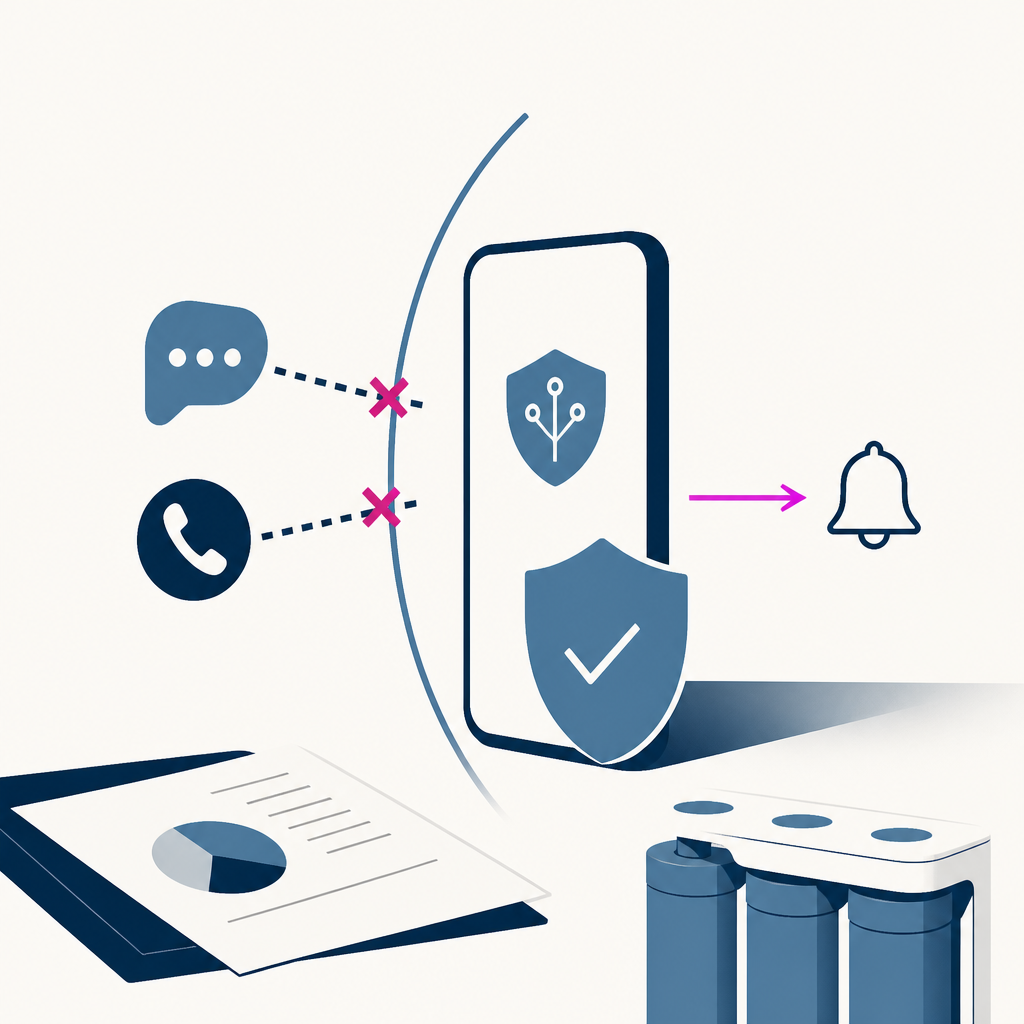
Guardian Labs created Guardião, an app that uses locally running AI to analyze incoming SMS and phone calls and block likely scams before they ring or reach the user. The company’s initial product concept came from a hackathon win in February and the founder described four water filters bought for about €1,000 each instead of their roughly €20 value. Guardian Labs now works with Portugal’s public security police, universities, and an accelerator and is also building a B2B intelligence platform to help banks and telecom operators detect and stop scam campaigns.
Anthropic is preparing for an IPO targeted for October at a valuation of $2 trillion or higher while investors scrutinize whether it can justify the price without being profitable yet. The article says a $2 trillion valuation would require roughly $59 billion to $79 billion in annual net income to match typical public-market earnings multiples. As a result, the focus shifts to when Anthropic can reach net profitability (not just operating profit) and how it secures compute costs, with the timing also affecting how OpenAI is valued against a live competitor.
Vals AI raised a $40 million Series A led by Andreessen Horowitz at a $400 million valuation to measure AI performance on real-world tasks. Its evaluation work includes automated, private test sets that are run in limited numbers, and it turns around results within hours of getting access to a new model. The funding and product launches (including Vals Smith, frontier-risk benchmarks, and Vals Index 2.0) expand its independent scoring infrastructure and broaden its measurement as models improve.
Databricks raised $5 billion in a new funding round at a $190 billion valuation. The deal values the company at $190B, up from $134B six months earlier. Databricks says it will use the money to expand Lakebase, Genie, and Unity AI Gateway as it grows its enterprise AI and data-governance push.
Databricks closed a $5 billion strategic funding round at a $190 billion valuation. The company also reported crossing a $7 billion quarterly revenue run-rate in Q2, up more than 80% year over year. The money is intended to expand its agent-focused AI products, while its main growth driver remains data-warehousing “Lakehouse.”
Playcall is presented as an open-source alternative to Gong, with a link to a discussion thread. No specific numbers, dates, or product details are provided beyond the mention of being open source and aimed at replacing Gong. As a result, the page functions as a pointer rather than reporting anything measurable or changing anything substantive.
Semos.ai launched Manager Agents that learn from meetings to suggest what needs attention next. The page says the launch is today. This adds automated meeting-based guidance for leadership and people management tasks.
Platformer’s podcast interview with Town CEO Jean-Denis Greze describes how Town’s AI assistant builds a personalized “dossier” and wiki from users’ email and calendar, aiming to make company organization self-maintaining. Town emerged from stealth in June after raising $55 million from Andreessen Horowitz. Greze says Town is preparing a team version of this self-writing company knowledge base while enforcing privacy limits such as deleting session data after 15 days.
Every AI story that matters,
in your inbox by 8am.
TLDRocket reads all relevant sources, removes duplicate coverage, and summarises the
day in two minutes. Follow companies and topics for alerts, or get the
briefing in Slack. Free, no spam, unsubscribe anytime.
Reading TLDRocket needs no cookies, and the readership counts we rely on come from
our own cookieless analytics. Google Analytics is the exception: it sets cookies and
reports to Google, so it stays switched off until you allow it. You can change your
mind any time from “Cookie settings” in the footer.
Strictly necessary
Session security and form protection (tldrocket-session,
XSRF-TOKEN, 2 hours). The site cannot work without them,
so they need no consent.
Always on
Google Analytics 4 (_ga,
_ga_<id>, up to 2 years). Measures which
stories and sections readers use. Google acts as a third-party processor and may
store the data outside the EU. No advertising, no profiling, no data sold.