Pine Computer is launching a cloud computer product for AI workloads where a customer’s app tasks run without an API and the results are returned to the user. It goes into an invite-only beta today. AI is described as reading app structure instead of pixels and using virtual screens per need, with optional person takeover for sign-ins and approvals.
Artcraft debuted seven open-source applications meant to replicate Adobe’s Creative Suite tools by using AI-assisted reverse engineering. The pivot was announced as “seven” apps, created with Claude Opus 5.5 to build “clean-room replacements” in Rust. The result is an early-stage alpha suite with partial functionality that aims to improve toward Adobe-level capability over time.
pmtui was launched as a tool for managing multiple AI coding agents and handling long-horizon tasks. It is listed as having 4 followers. It changes agent execution by keeping the agent loop outside the model and rebuilding prompts from the goal and the agent’s last status at your chosen check intervals.
Museum of Models launched a web page that records every new AI model since May 2024 using the same set of questions. The site includes 15,639 answers kept as the models produced them, with no ranking. As a result, users can browse and visually explore model responses for evaluation rather than rely on ordered performance lists.
Semwright launched today as an open-source Rust runtime for AI agents that can use structured drivers to interact with desktop and professional software and related project data.
It supports MCP while not being tied to a single protocol, model, or agent.
It changes how agents are built by centralizing permissions, execution, dependencies, artifact handoffs, and verification so developers can reuse integration infrastructure across multiple applications rather than rebuilding it each time.
Hypervibe launched as a native Mac app that runs AI coding agents such as Claude Code, Codex, and Gemini side by side in a single interface. It requires macOS 14+ and Apple Silicon. Users can manage multiple agent accounts with features like terminal views, agent status, teams, voice control, and live previews.
Termaxa launched a gate feature for the Claude Code, Codex, Cursor, and Copilot hook path that shows what a command would delete and can back up first while following your policy. It is launching today. Developers can start in observe mode to report what would have been blocked without blocking anything.
Microsoft demonstrated an updated Copilot AI system at its Windows and Surface event that can access local files and take OS-wide actions. The demo had an Autopilot request to help with filing taxes by handling an email from an accountant, using a Hybrid Intelligence setup that mixes local and cloud AI models. This expands Copilot from assisting in apps to operating across Windows and your documents more directly.
Opposable launched a browser automation service that lets Claude Code, Codex, or any MCP agent interact with real iPhones or Android phones in apps you’re already signed into. The service launched today. As a result, some tasks can run on the phone without a model, and iPhones can be controlled via Bluetooth or a small USB stick.
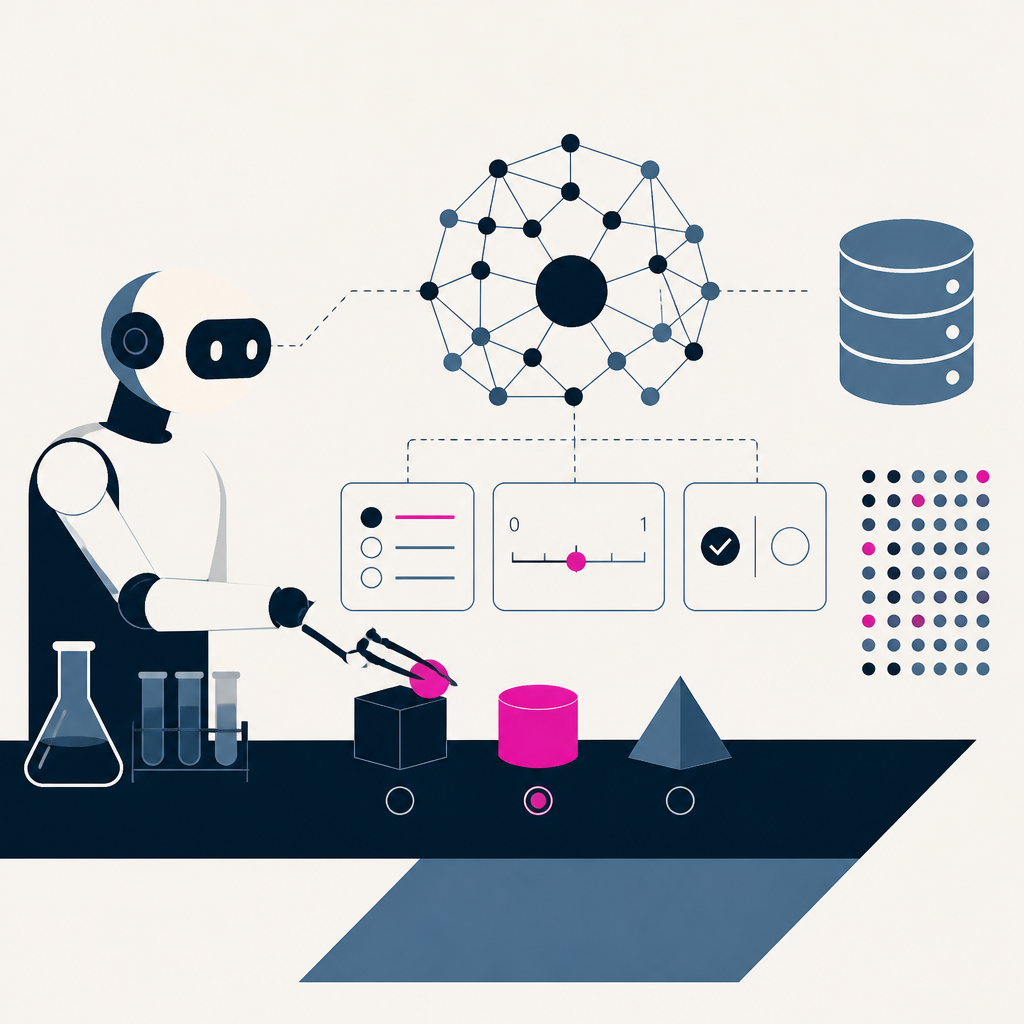
Simo, a “System 1.5” judgment model from Temprl Labs, was listed as an AI infrastructure tooling launch for asking typed questions using text, screenshots, or video. The model is described as System 1.5 and returns calibrated probabilities needed to act in milliseconds. The listing positions Simo as a new developer tool, but it does not report any measurable performance change beyond the stated response-time claim.
Clippo launched as a Windows app that lets you orchestrate AI agent teams on an infinite visual canvas instead of using terminal tabs. It provides parallel coding by linking nodes and positions on an infinite canvas, with zero cloud and no logins. As a result, developers can manage multiple AI coding agents visually and run them on device to reduce token use.
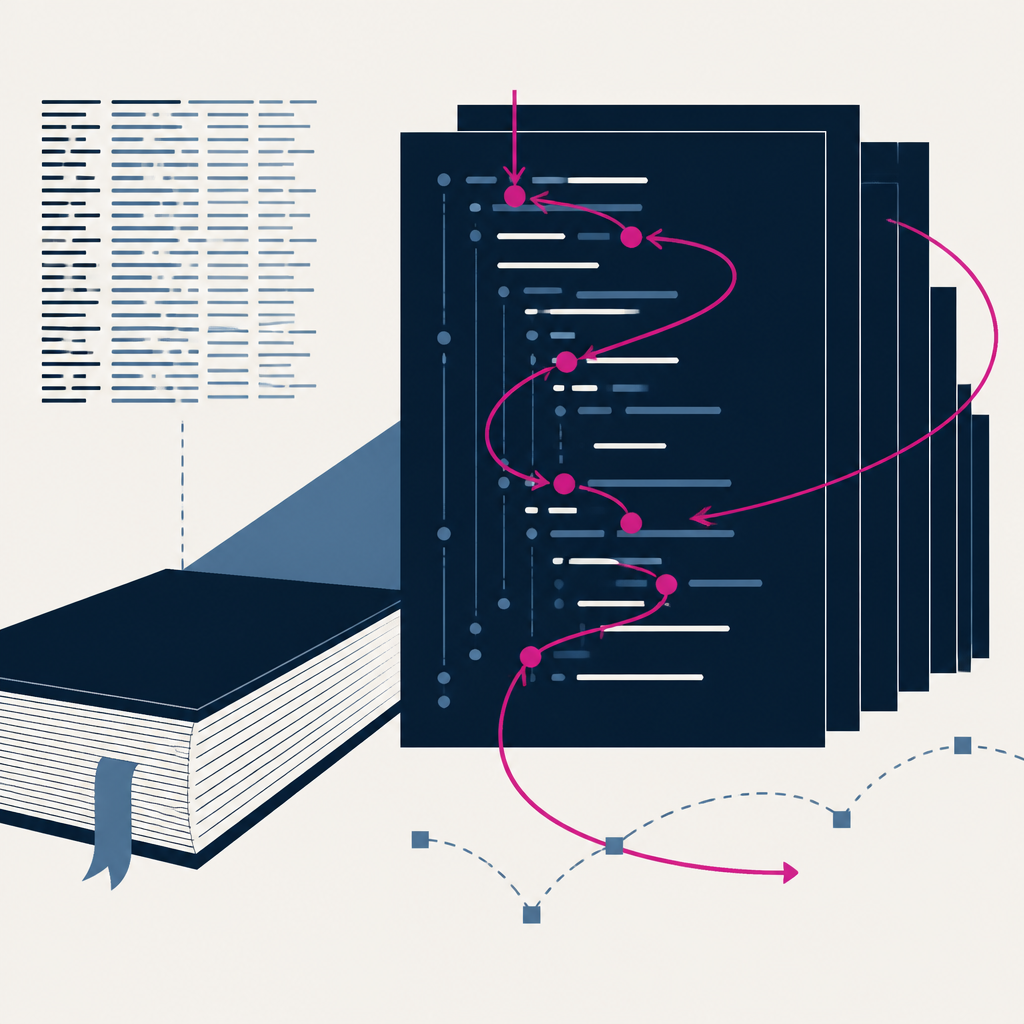
The article explains why reading code differs from reading text and argues that engineers should use out-of-order, multi-pass techniques to follow execution flow. It compares large codebases to books, noting that War and Peace has around 600,000 words while many large modern codebases have that many lines. It adds that LLM-generated code and reviewer LLMs still require careful human reading because alignment and technical values can misfit your needs, leading to major errors or overengineered diffs.
PostNitro launched “PostNitro for Agents,” adding AI-agent workflows that turn topics or threads into branded carousels, images, and short videos for scheduled posting across multiple social platforms.
Docsy, Google’s Hugo-based technical documentation theme, moved to the Linux Foundation while adding features for AI agents that read documentation. By the end of 2024, about 2,200 projects were using Docsy. It now offers opt-in AI-friendly outputs like a Markdown copy and an llms.txt index, plus hidden page directives and agent-focused upgrade guides, and it plans “AF” documentation scores to benchmark agent usability.
The keynote speaker at LDX3 described how AI agents are reshaping software development practices and platform activity, based on visits to OpenAI and Anthropic and data from GitHub, Factory AI, and Linear. GitHub reported a ninefold increase in agent-authored pull requests over eight months. As a result, engineers increasingly rely on multiple parallel agents and non-IDE agentic workflows, while companies build internal agent harnesses and agent-generated issues and PRs begin to outnumber human ones.
Hallmonitor is launching as a free, open-source app that shows Claude Code and Codex coding-agent sessions on a Mac and servers, including in the menu bar and terminal. It has “7 followers.” As a result, users can monitor which tasks are done or stuck and answer questions from the notch.
SineFrame launched M3 to run software testing and QA for AI agents by executing real Claude Code, Codex, OpenCode, or Pi and asserting on the tool calls the agent actually makes. It runs “m3 ci test --upload” to gate pull requests, with runs handled on app.m3.sineframe.com. This changes testing by adding traceable, tool-call-level checks in pytest without requiring an API key for direct tests.
OpenCharm launched as an open-source hardware “body” that sits by a Mac’s notch to control an AI agent hands-free via a single key press. The listing says you “Hold one key” to talk so tools like Claude Code or Codex can start and ask for input. It changes how you interact with already-running AI agents by turning voice and handoff prompts into a one-key physical workflow.
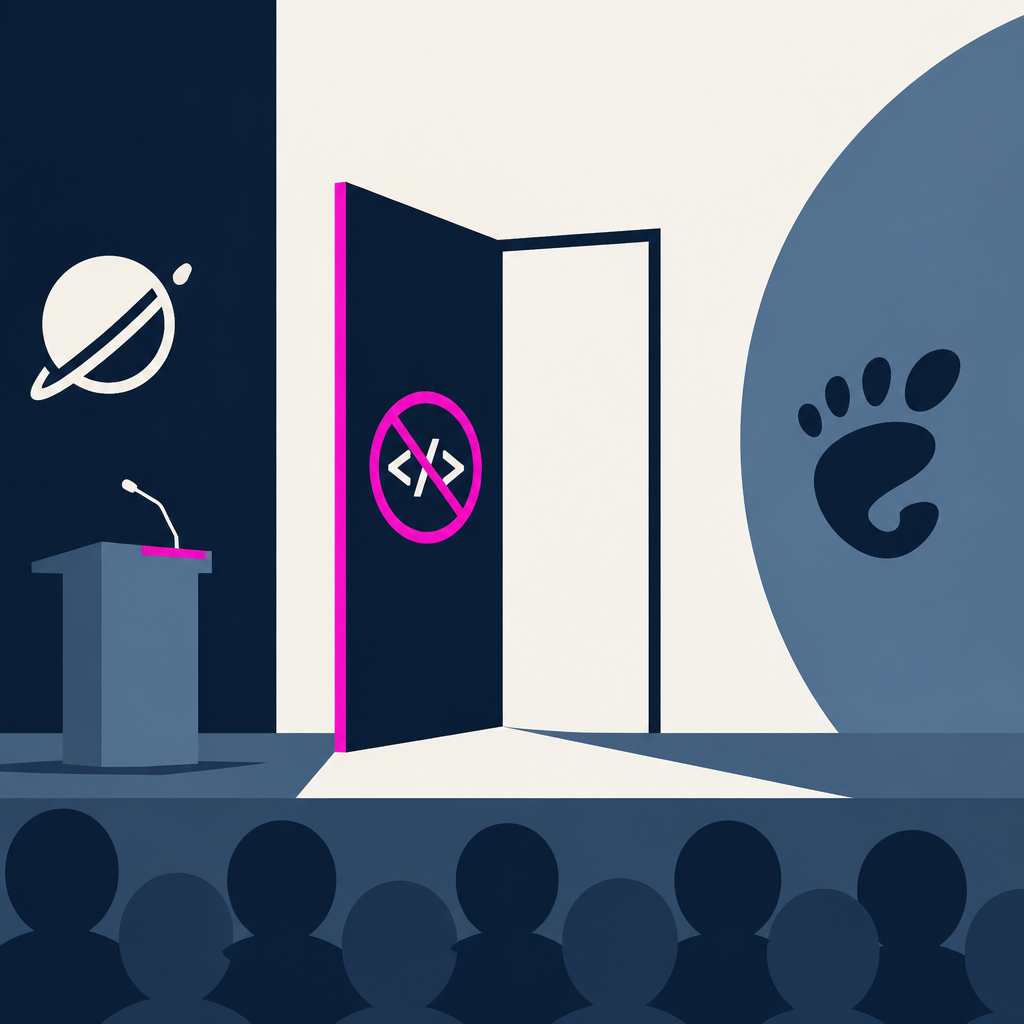
System76 has updated COSMIC’s contribution guidelines to ban AI-generated content in code submissions. The rule requires contributors to declare they did not include any LLM-generated content, including code, comments, and descriptions, in their pull request. GNOME sub-projects are also weighing similar limits, with debate focused on whether to allow AI-assisted vulnerability reports.
Google has rolled out an update for Pixel Buds 2A and Pixel Buds Pro 2 with new features including sleep detection tied to a Pixel Watch. The sleep feature pauses music, silences notifications, and turns off touch controls when you fall asleep while wearing a Pixel Watch. It also adds tap-to-mute for microphone control during calls on Pixel phones and other shared updates to both earbud models.
NOVA CLI v1.0 launches as an AI coding tool that describes a goal and then edits project files, runs tests/build, and auto-fixes errors it finds. It includes 160+ AI models on paid plans. As a result, developers can execute the write-run-fix loop inside the terminal with Git actions built in, without managing separate AI accounts or API keys.
Google announced Playground, a browser-based platform for making custom games from AI prompts. It is available starting today in the US for users 18 and older at playground.google. Users can create and test games by typing prompts, which removes the need for coding experience.
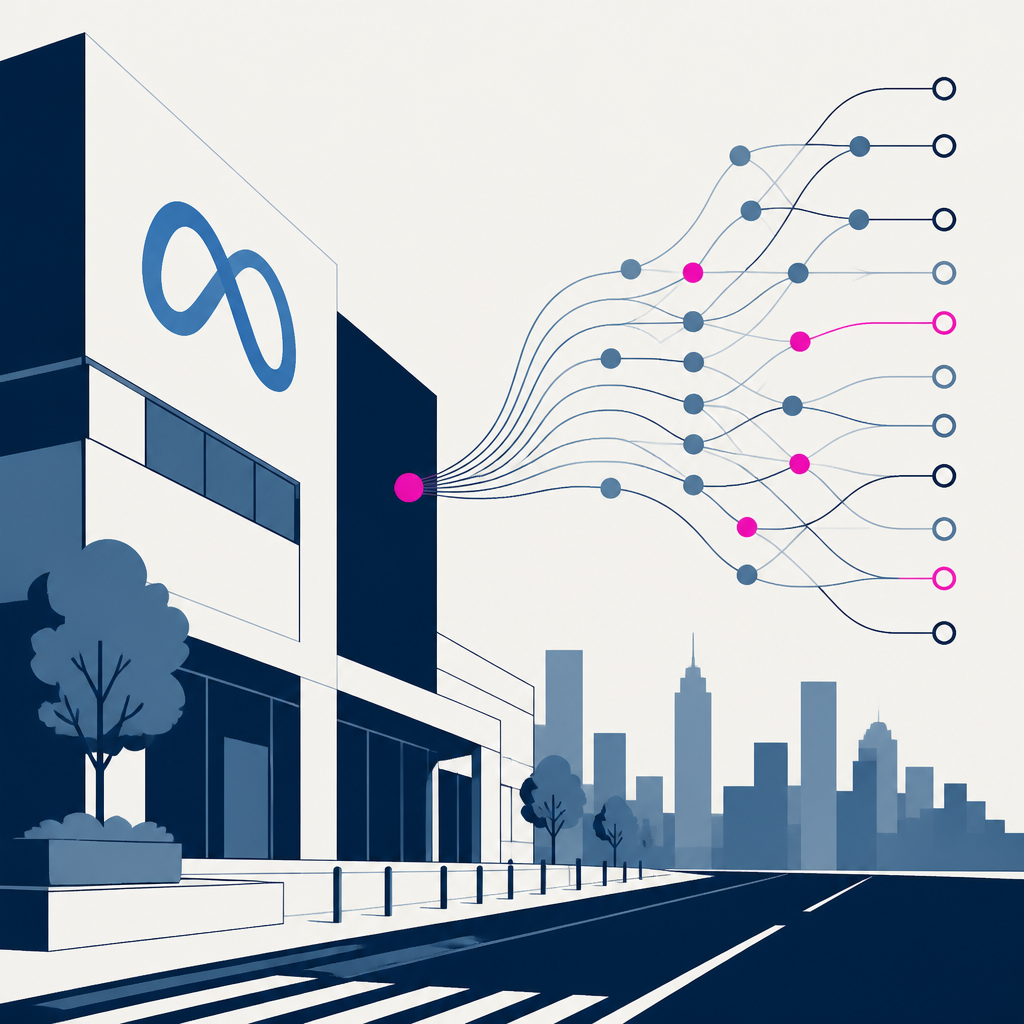
Meta open-sourced Rebalancer, a C++ (with Python interface) library for solving constrained assignment problems, and provides installation packages plus a debugging UI. The release is available via PyPI as version 1.0.4 for Python 3.12+ and reports a P99 solve time of 12 seconds on 265k objects and 3.2k bins at Meta. Rebalancer changes resource-allocation workflows by letting teams specify problems separately from the solving method, then using local search or MIP backends depending on problem size.
Zernio is marketing infrastructure that provides a single API for integrating social, ads, messaging, and calls so teams can launch without building separate channel integrations. It supports phone numbers and messaging across 57 countries. As a result, product teams can connect accounts and run campaigns through Zernio’s API or its hosted MCP server instead of managing per-channel authentication and approvals themselves.
Comcent launched voice infrastructure that connects a Twilio or SIP trunk account so teams can take calls in a browser with call flows, queues, transfers, and recordings. Unlimited users start at $20/month. The service adds AI features that transcribe and summarize calls, score sentiment, track agent promises, and can use voice bots that answer and hand off to people.
Leanback launched its second release, presenting itself as a personal AI assistant for engineering teams. It promises to produce an action plan in Slack using inputs like tickets and calendars after checking in with the team. As a result, teams can manage engineering work from Slack with the assistant providing the planned next steps.
BotBus connects local coding agents to your phone so you can manage tools like Codex, Claude Code, Hermes, OpenCode, and DeepSeek across computers. It launches today. It adds mobile access (iPhone, Apple Watch, Android) plus macOS screen control and shared web previews while letting supported tasks keep running as approvals and file viewing are handled remotely.
Laya, Convai Innovations’ open-source non-autoregressive decision engine, is evaluated in a tutorial by running typed multiple-choice/score/yes-no queries and checking zero-shot behavior on labelled CLINC150 banking data.
The guide specifies a 421-million-parameter encoder that scores all options in a single forward pass with zero output tokens.
It reports how option wording/order, probability calibration via temperature, and an abstention gate affect accuracy and the trustworthiness of the returned probabilities for a production-style router.
Typeling launched today as an iPhone keyboard translation app that adds tone-based translations for different audiences. It offers 50 free translations before you need to top up with in-app credits. As a result, users can preview and tap to replace text in six languages directly while typing.
Every AI story that matters,
in your inbox by 8am.
TLDRocket reads all relevant sources, removes duplicate coverage, and summarises the
day in two minutes. Follow companies and topics for alerts, or get the
briefing in Slack. Free, no spam, unsubscribe anytime.
Reading TLDRocket needs no cookies, and the readership counts we rely on come from
our own cookieless analytics. Google Analytics is the exception: it sets cookies and
reports to Google, so it stays switched off until you allow it. You can change your
mind any time from “Cookie settings” in the footer.
Strictly necessary
Session security and form protection (tldrocket-session,
XSRF-TOKEN, 2 hours). The site cannot work without them,
so they need no consent.
Always on
Google Analytics 4 (_ga,
_ga_<id>, up to 2 years). Measures which
stories and sections readers use. Google acts as a third-party processor and may
store the data outside the EU. No advertising, no profiling, no data sold.