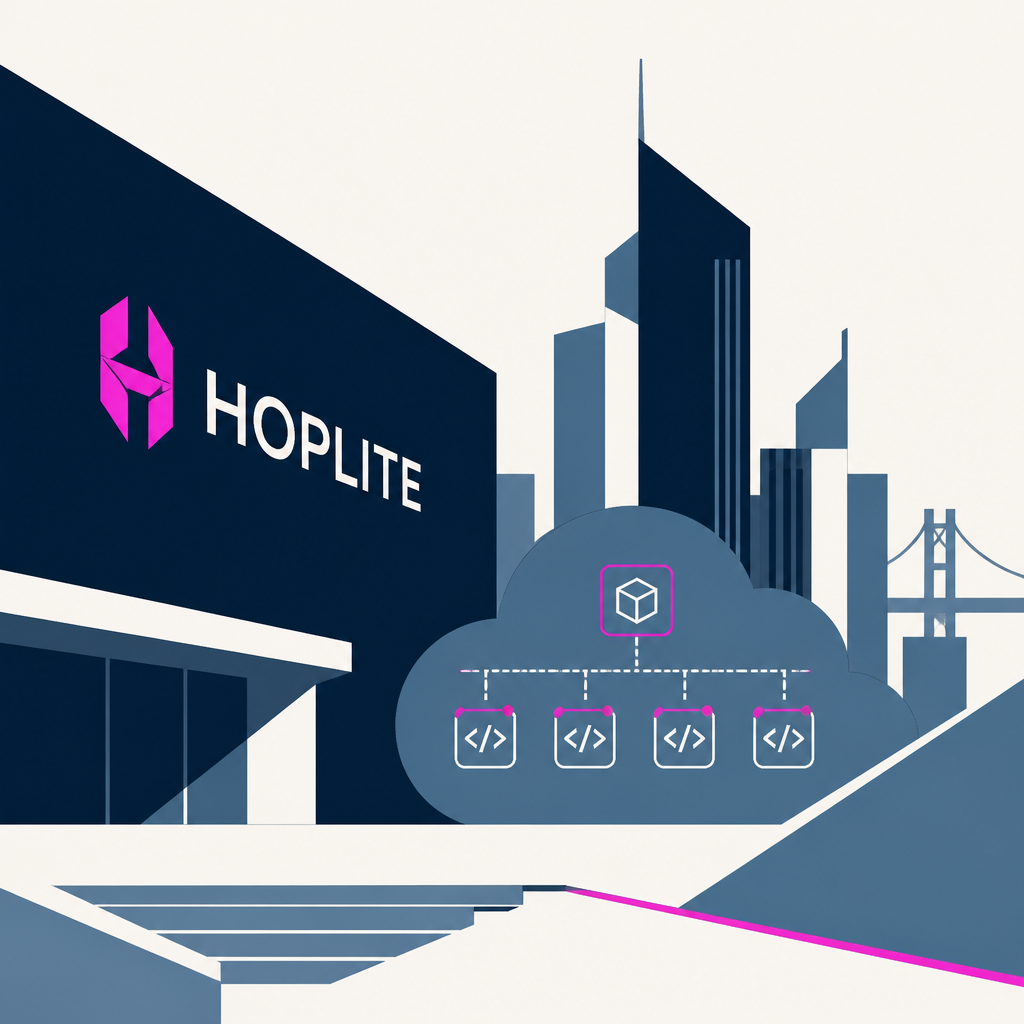
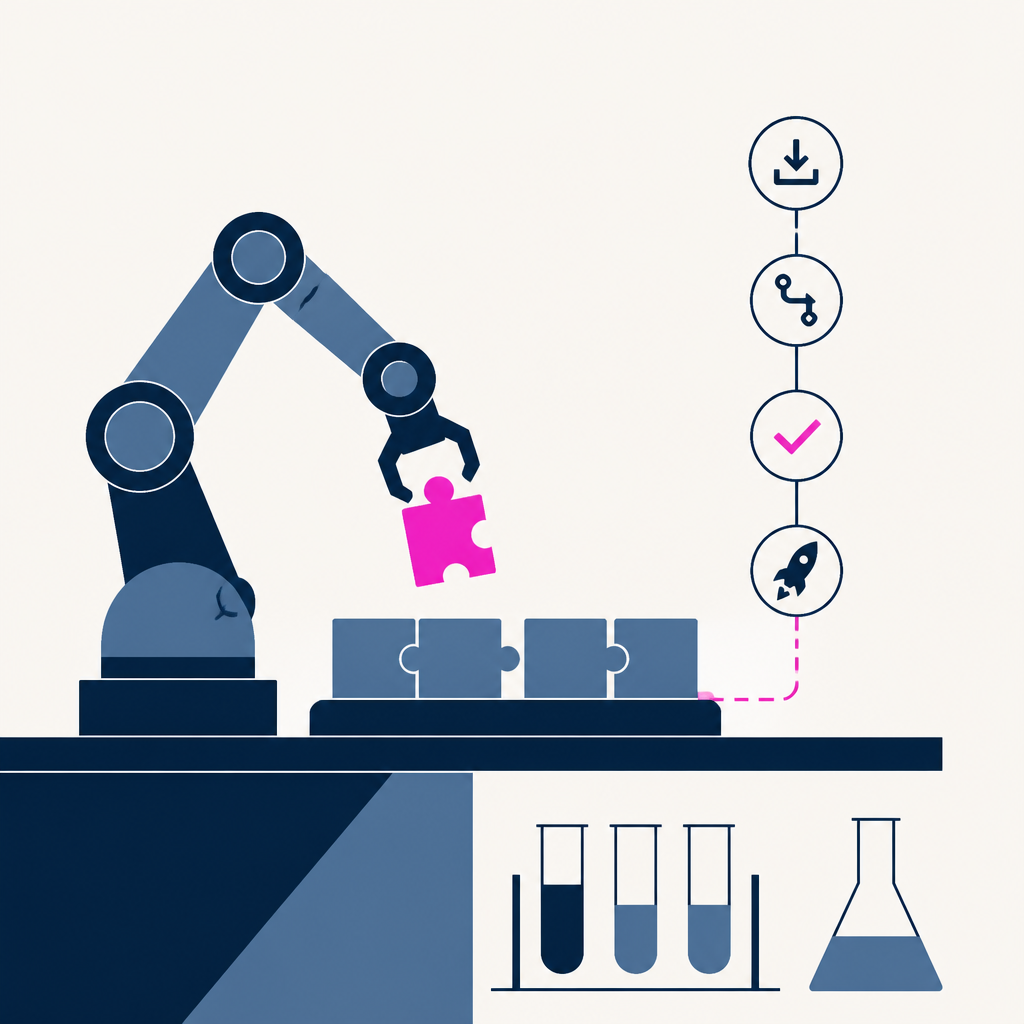
Hoplite, a YC S26 startup, launches a cloud platform for deploying and testing coding agents with tools for QA and concurrent agent management. The founders built a custom agent harness and host infrastructure on AWS, Temporal, Modal, and PlanetScale, positioning agents as tier-0 infrastructure requiring enterprise reliability. Developers will shift from reviewing code to evaluating product output across multiple concurrent agents, changing how software development workflows function.
David Crawshaw proposed a prompt for automating nightly software updates through a cron job that fetches upstream changes, rebases local modifications, verifies functionality, and deploys the updated version. The prompt was shared in the context of arguing that developer tools should be open source. This represents a practical example of using natural language instructions to automate routine infrastructure maintenance tasks.
The article’s discussion prompts readers to move beyond AI coding toward agentic software delivery. No date or number is provided in the text. It shifts the focus from AI coding assistance to building software using more autonomous “agentic” delivery approaches.
Simon Willison's Weblog·2 months ago·
26
● 4 sources
An open-source advocate argues that LLMs have reduced the friction for end-users to examine and modify software code by automating compilation and initial setup tasks. Previously, setup overhead made code inspection impractical for most developers; now AI tools like Claude can clone repositories, build projects, and report findings in minutes. This shifts open-source software from theoretical freedom to practical accessibility for ordinary programmers.
A React hook called useWebMCP wraps the imperative WebMCP API to let developers register browser tools that AI agents can discover and call as functions instead of scraping the DOM. The hook feature-detects the experimental document.modelContext API and degrades to a no-op where absent, managing tool registration and unregistration through React component lifecycle. Developers can now expose website functionality to AI agents in a standards-based way that keeps available tools synchronized with what's rendered on screen.
Mu is an MCP server and web application that enables AI agents to access real-world information and services through a unified interface, including news, email, markets, weather, and web search. The platform supports Claude, DeepSeek, or local LLMs as the agent backbone, offers both a web app and CLI, and can be self-hosted via Docker or from source. Users can interact with Mu through a web interface, command line, Discord, or Telegram to query services or compose multi-tool agent responses.
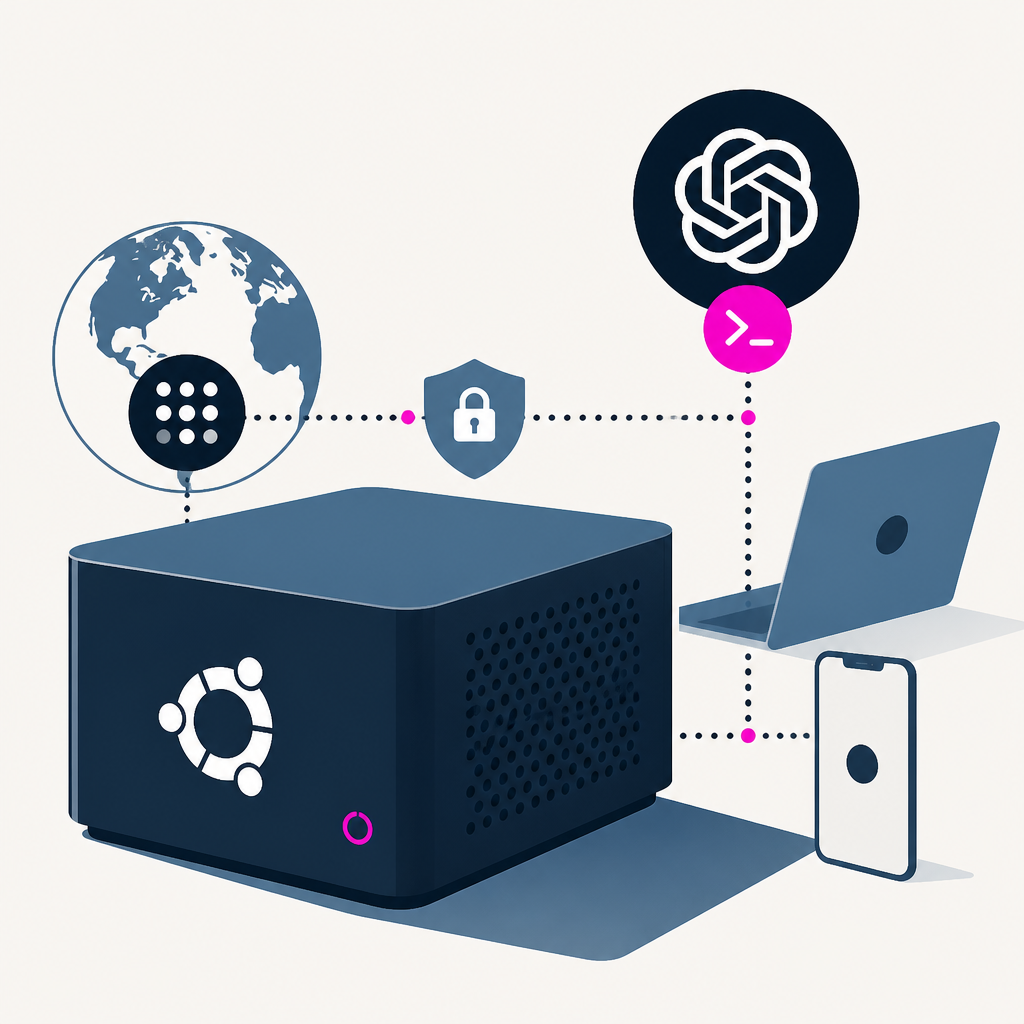
A developer shares their Linux VM and Tailscale-based setup for running AI coding agents autonomously, combining remote VM access with ChatGPT's native SSH support for seamless work across devices. The setup uses a disposable Ubuntu VM on an always-on desktop with Tailscale for private networking, allowing agents to run with minimal approval prompts and continue work in the background. Key tools include git worktrees for parallel work, the ChatGPT desktop app as a thin client, and elevated agent permissions (sudoers, GitHub CLI login) that trade safety for convenience.
Developers maintain strong attachments to their coding tools because the tools encode trust built through long-term use, predictability, and integration with established workflows and processes. A recent developer survey found that as AI tool usage rose from 76% to 84%, trust in those tools fell from 40% to 29%, partly because AI coding agents lack the predictability and precision of traditional IDEs and terminal editors. Adopting AI agents in software development requires not just new tooling but cultural and process shifts—including clearer requirements, stronger code review practices, explicit documentation of AI-generated decisions, and reusable component strategies—to rebuild trust in an AI-enabled development lifecycle.
The author argues that developer tools must be open source to enable AI agents to personalize software for individual users. AI agents can now automatically modify source code and manage upstream synchronization, making custom personalization more efficient than traditional plugin or configuration systems. With open-source tools, users gain the ability to deeply customize software through simple prompts, while closed-source tools like Claude Code limit this flexibility to predefined extension hooks.
Hexis is a platform that provides Git-backed skills, tools, and context infrastructure for AI agents to access and execute tasks. The system allows agents to retrieve and utilize versioned code repositories and contextual information stored in Git. This enables AI agents to have persistent, auditable access to the tools and knowledge they need to operate independently.
Every AI story that matters,
in your inbox by 8am.
TLDRocket reads all relevant sources, removes duplicate coverage, and summarises the
day in two minutes. Follow companies and topics for alerts, or get the
briefing in Slack. Free, no spam, unsubscribe anytime.
Reading TLDRocket needs no cookies, and the readership counts we rely on come from
our own cookieless analytics. Google Analytics is the exception: it sets cookies and
reports to Google, so it stays switched off until you allow it. You can change your
mind any time from “Cookie settings” in the footer.
Strictly necessary
Session security and form protection (tldrocket-session,
XSRF-TOKEN, 2 hours). The site cannot work without them,
so they need no consent.
Always on
Google Analytics 4 (_ga,
_ga_<id>, up to 2 years). Measures which
stories and sections readers use. Google acts as a third-party processor and may
store the data outside the EU. No advertising, no profiling, no data sold.