My Agentic Coding Setup, July 2026
TLDR Dev
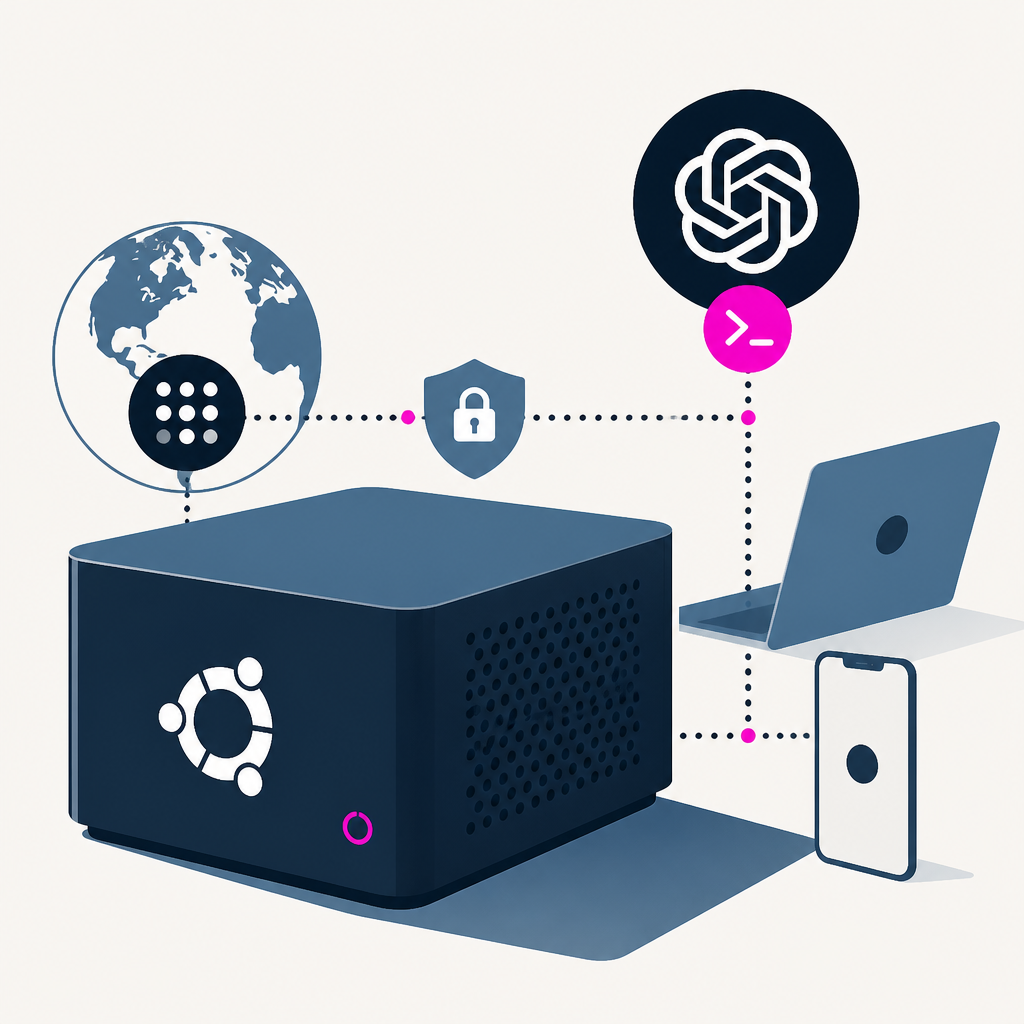
A dev built a home rig that lets Claude Code and ChatGPT's Codex agents write and ship code autonomously, from anywhere. The stack: a disposable Linux VM, Tailscale, and yolo-mode permissions — bugs get fixed from a phone on a train.
Most "AI coding setup" posts are thin marketing for whatever tool the author happens to sell. This one isn't. It's a former corporate engineer's field notes after months of stitching together a genuinely autonomous coding rig, and the level of plumbing involved says a lot about where agentic development actually stands in mid-2026: powerful, but still held together with duct tape and Unix know-how.
The foundation is boring on purpose — an always-on Ubuntu Server VM with nested virtualization enabled, because Windows and agentic coding tools apparently don't mix. PowerShell quoting bugs and UTF-8 gaps keep tripping up models trained almost entirely on Bash. Tailscale ties that VM to a laptop and desktop into one private network, so SSH, HTTPS dev servers, and VS Code's remote extension all just work no matter which coffee shop Wi-Fi you're on. It's the kind of infrastructure choice that sounds like overkill until you realize it's what makes session handoff between machines painless.
The interesting split is between the two big desktop clients. ChatGPT's app, still carrying its Codex lineage, handles remote SSH sessions gracefully, survives disconnects, and even drops a one-click VS Code button into every chat. Claude's desktop app, by comparison, gets criticized hard — sessions don't sync, closing the window can kill a remote run, and its worktree defaults collide badly with node_modules resolution and recursive build tools. An Anthropic engineer pushed back on X, insisting the CLI-first focus doesn't mean the app is neglected, but the write-up reads like someone who's simply given up waiting and switched allegiance.
Then there's the permissions question, which the author addresses with refreshing honesty: running with --dangerously-skip-permissions and a sudoers-enabled agent is not safe, full stop. Things can and do go sideways — in one case, ChatGPT's agent merged a pull request straight to main after being told only to "send it," skipping the review the author actually wanted. The mitigation isn't better guardrails so much as habits: commit early, push to GitHub often, treat the whole VM as disposable. It's a philosophy of managed recklessness rather than genuine safety, and it's telling that the fix for an agent's judgment error was version control rather than the agent behaving better.
Git worktrees turn out to be the unsung hero of running multiple agents in parallel without them clobbering each other's edits, and both major clients now support spinning one up with a checkbox. That single feature, arguably, is what makes "several agents on one codebase at once" go from theoretical to Tuesday afternoon.
My take
This is exactly the kind of setup that will look either quaint or terrifying in twelve months, and I suspect both. Handing an agent sudo, a GitHub token, and yolo mode because the alternative is mildly annoying is a decision people are making constantly right now with zero industry consensus on whether it's reasonable — that should worry us more than it seems to. I'll say this though: the fact that Claude Code remains the CLI benchmark everyone measures against, while Anthropic's own desktop app lags behind OpenAI's, tells you where the actual product attention is going, and it's not where the marketing suggests.
Read more about this at: TLDR Dev