Vibe Buddy
Product Hunt Volodymyr Pytsiuk (Vova)
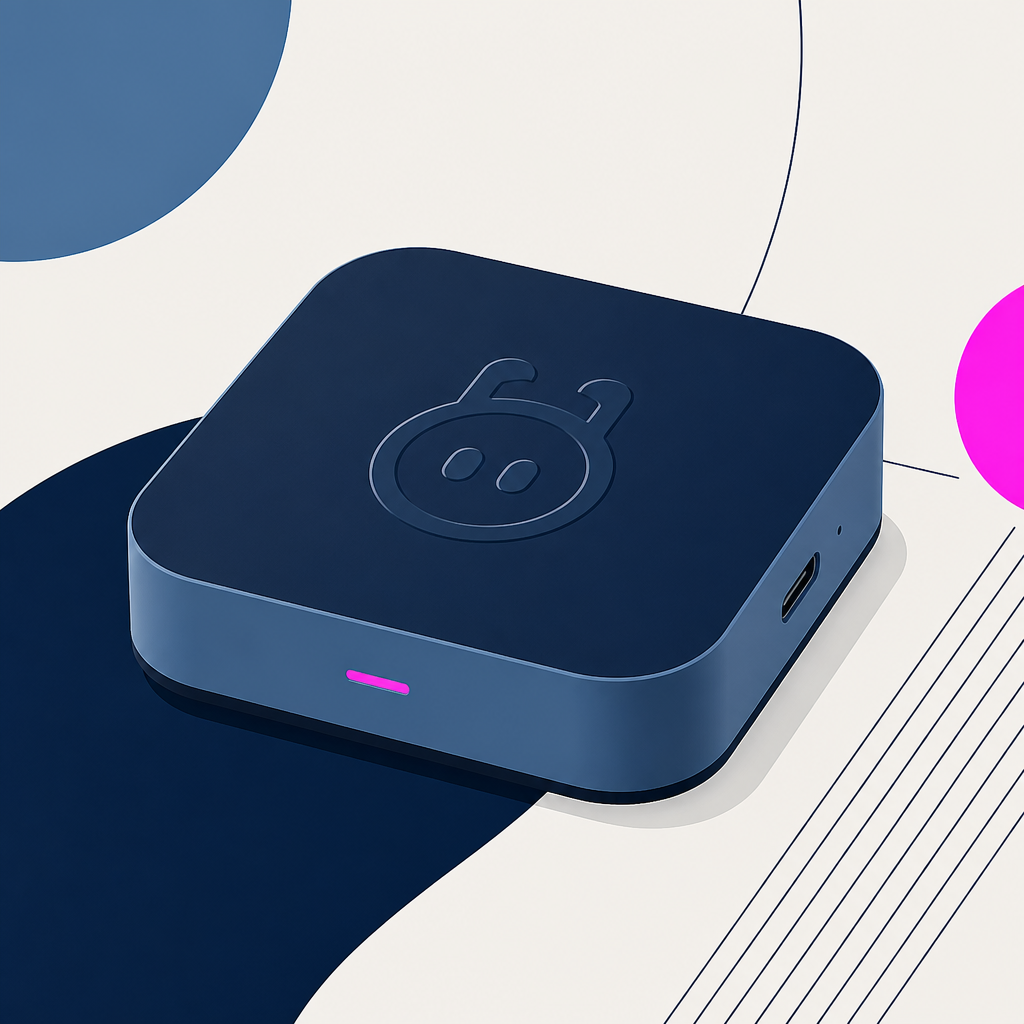
Vibe Buddy just landed on Product Hunt — it's a physical gadget built for AI-assisted coding. Hardware for a workflow that's mostly software and prompts is the surprising bit here.
Based on reporting by Product Hunt, Volodymyr Pytsiuk (Vova) — read the original for the full story.
Summary, retelling and take written by AI under human oversight; images are AI-generated illustrations. How we work · Report an error
Vibe Buddy showed up on Product Hunt this week with a simple pitch: hardware built specifically for AI coding. No pricing sheet, no spec list, no founder manifesto — just a listing and a discussion thread, which is about as bare-bones as a launch gets on that platform. And yet the framing alone tells you something about where the industry's head is right now.
For the last year or so, "vibe coding" has gone from a niche joke to an actual verb people use in standups. Developers lean on Copilot, Cursor, Claude, or whatever model is fastest that week, and increasingly they do it in a loose, conversational way rather than typing every line themselves. That shift has mostly played out on laptops and in browser tabs. A product that tries to turn it into something you hold, press, or plug in is a genuinely different bet — it assumes the interaction model for AI coding is stable enough to build a physical object around.
That's not a small assumption. Software tools built for AI coding get rebuilt every few months as models change and context windows grow. Hardware doesn't get that luxury. Once you've etched a form factor and a set of buttons or dials into aluminum or plastic, you're locked in for a product cycle measured in years, not sprint cycles. So whoever built Vibe Buddy is either supremely confident that the core interaction — talking to an AI while you code — has settled into a stable pattern, or they're betting that being early with a physical object is worth the risk of getting the shape wrong.
Without more detail from the listing itself, it's hard to say whether this is a dedicated macro-pad for AI shortcuts, some kind of ambient status device, or something stranger. But the mere existence of hardware entrants in this space, however thin the initial announcement, suggests the AI-coding tool market has grown crowded enough that people are looking past software for their next differentiator.
My take — AI-written commentary, not fact-checked reporting
Hardware for AI coding sounds cute until you remember how fast these coding assistants change shape — a gadget tuned for today's Copilot habits could be obsolete before the box ships. Founders love a physical product because it feels more real than another VS Code extension, but real doesn't mean useful, and this whole category reeks of solving a problem nobody asked for out loud.
Read more about this at: Product Hunt