Bullet claims it is 30–60% faster than Claude Code and Codex Discussion.
The cited comparison number is 30–60%.
As a result, it positions Bullet as a quicker option for AI code-generation workflows, though the information provided is minimal and not enough to verify details.
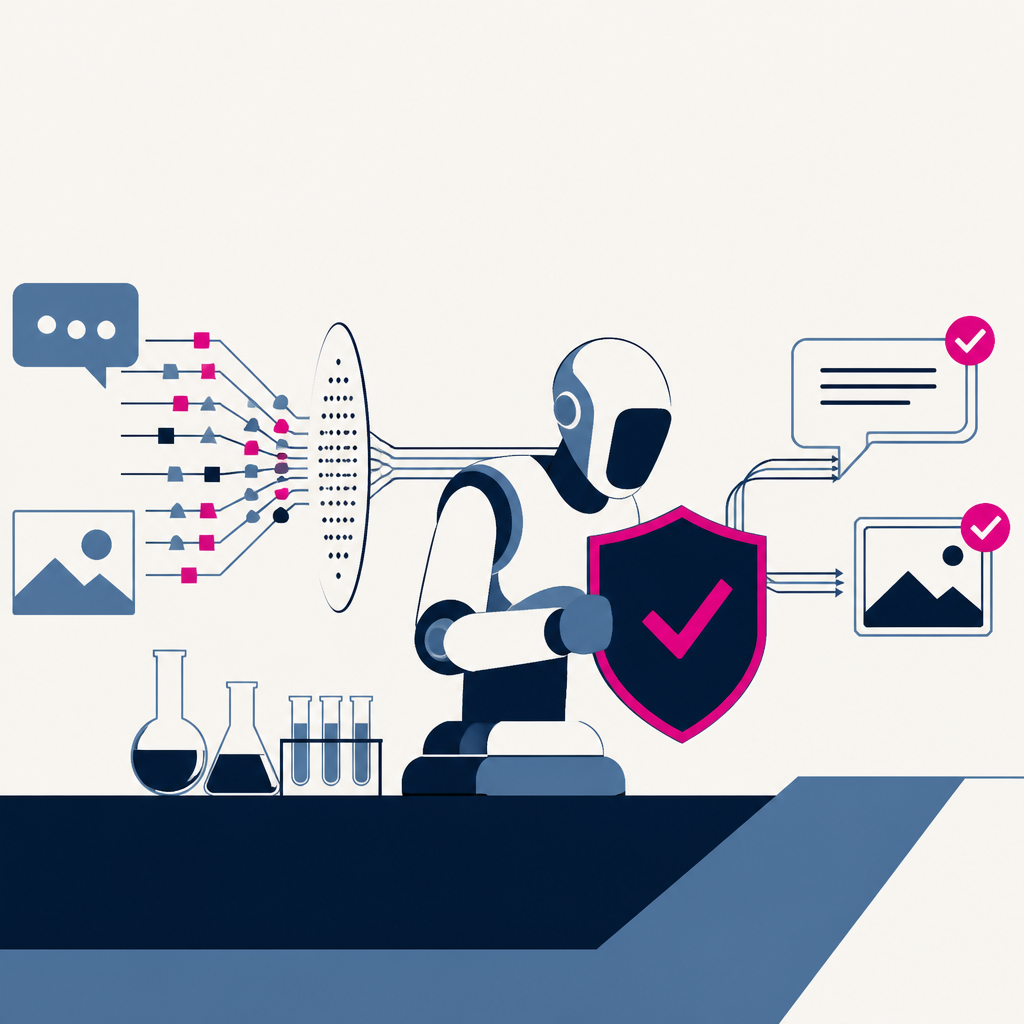
Shieldstral is a tool for defining and enforcing safety constraints on AI model outputs at runtime for both text and images. The system allows developers to specify custom safety rules without modifying the underlying model. This enables flexible content moderation and safety guardrails tailored to specific applications.
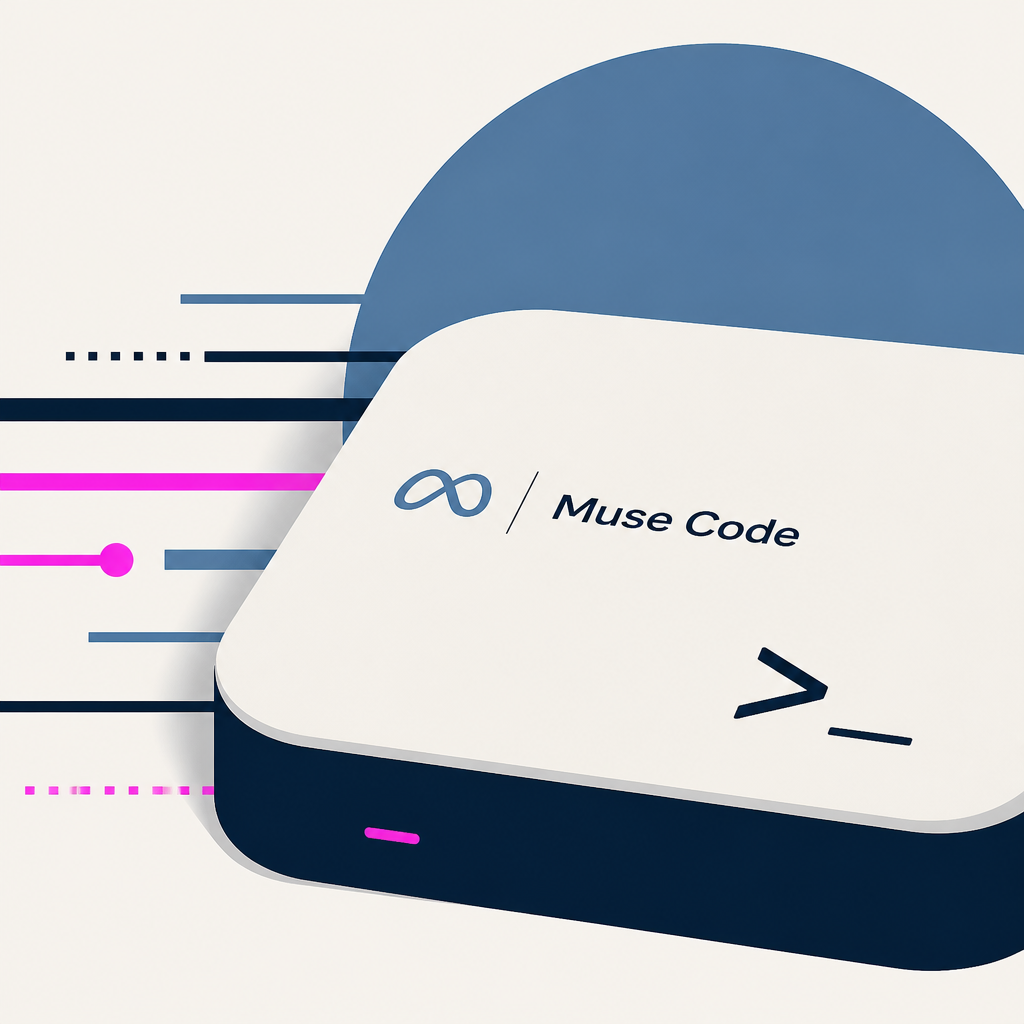
Meta released Muse Code, a terminal agent designed to handle long-horizon coding tasks autonomously. The system can interact with command-line interfaces and files to complete multi-step programming workflows. This enables developers to delegate extended coding projects to AI agents rather than managing each step manually.
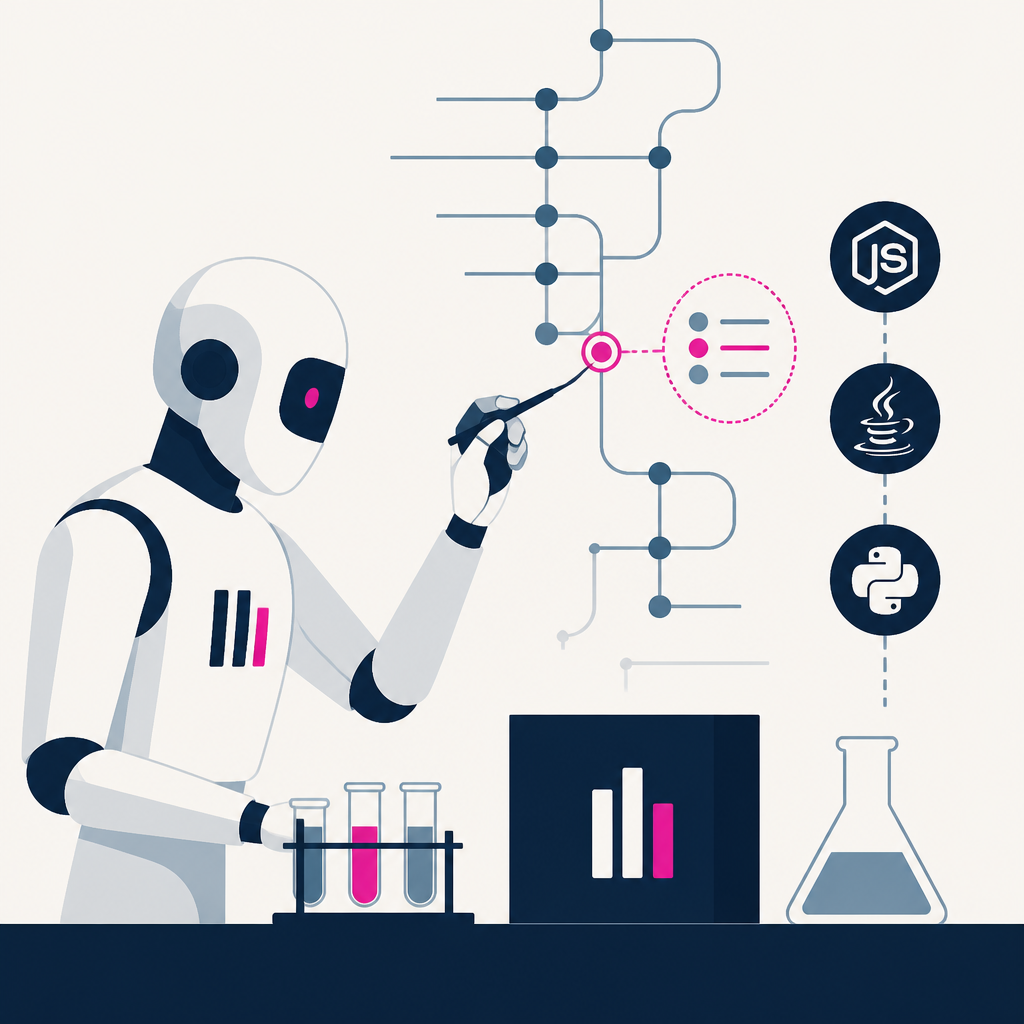
HyperProbe, a YC S26 startup, built a tool that lets AI coding agents safely debug production issues by placing virtual breakpoints in running code without pausing or redeploying. The SDK supports Node.js, Java, and Python, capturing variable values on-demand when traffic hits instrumented lines while redacting sensitive data in-process. Engineers can now ask agents to diagnose prod incidents with real runtime state instead of incomplete logs, reducing token burn and eliminating the slow add-log-redeploy cycle.
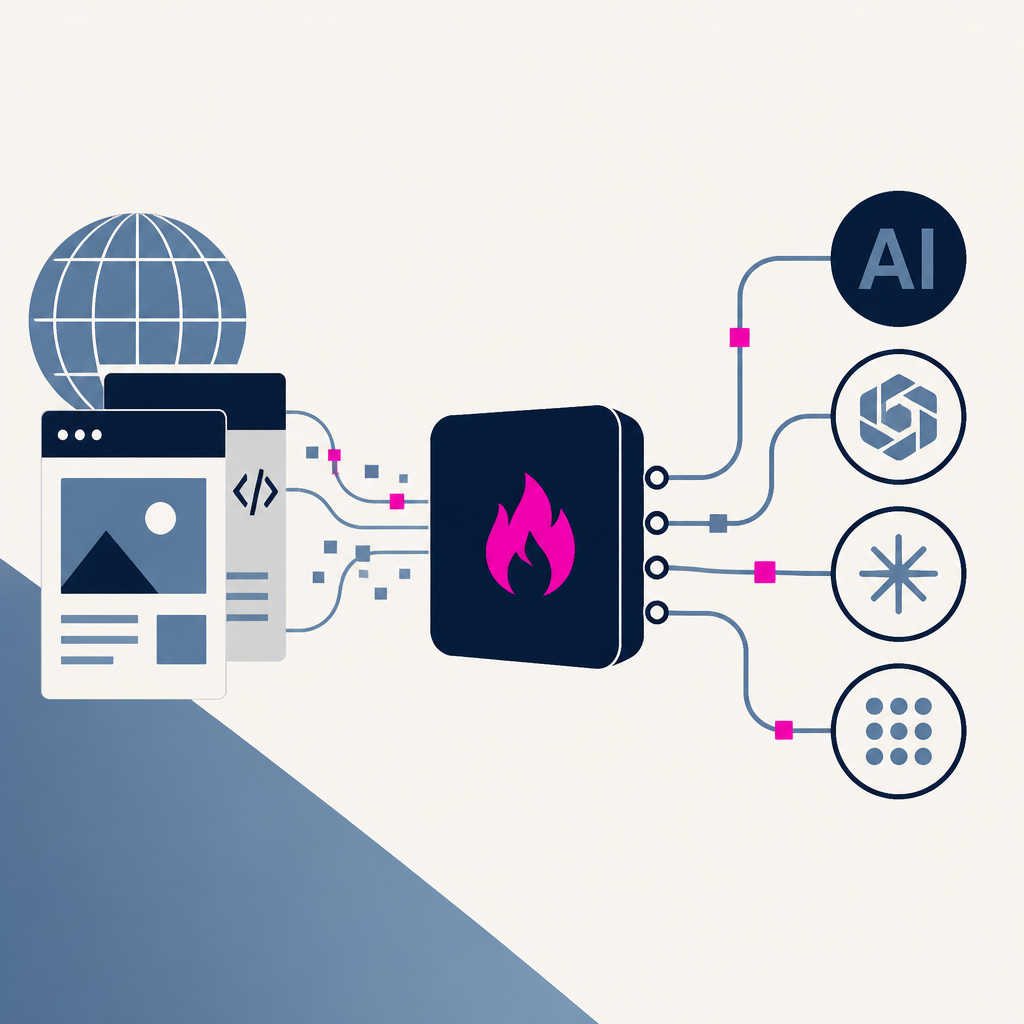
Anthropic released Firecrawl MCP, a model context protocol server that enables AI agents to extract and process web content efficiently. The tool integrates with any MCP-compatible client and handles complex web crawling tasks like JavaScript rendering and content parsing. Developers can now build agents that reliably interact with websites without writing custom web scraping code.
As AI generates application code at scale, software companies must reorganize around platform engineering to build guardrails, hardrails, and control systems for code-generating agents rather than just writing code themselves. The specific shift involves creating an "agentic developer platform" layer that sits alongside CI/CD infrastructure, handling model approval, cost controls, agent authorization, and feedback loops that prevent errors before human review. This makes platform engineering the core function of every software org, with more engineers eventually working on tooling and harnesses than on product code itself.
HyNote for Mac offers free local transcription for users. It emphasizes “100% Private” processing. This provides a privacy-focused way to transcribe audio locally, but the page itself doesn’t report any new changes beyond that offering.
A developer recorded the HTTP requests Codex sends to models and measured their size across different scenarios, finding that a 16-character prompt resulted in a 42,980-byte request with 9,435 tokens, 99.7% from system instructions and tool definitions rather than the user input. File reads, command output, images, and project instructions all get accumulated in requests, with large files triggering head-and-tail truncation once context exceeds thresholds. When history grows too large, Codex compacts it by sending accumulated context through a separate model request, replacing the detailed history with a generated summary before resuming the conversation.
Cloudflare built the Codex, a centralized repository of engineering standards encoded in structured format, and deployed AI agents to enforce it across code reviews, design reviews, and incident reports. In four months, the AI code reviewer flagged 230,000 standard violations and blocked 16,000 merges, while the spec reviewer evaluated 600 technical designs before implementation. The system reduces time engineers spend searching for guidance and enables consistent enforcement of standards across the organization.
GitHub stacked pull requests enable AI coding agents to decompose large features into smaller, logically ordered, independently reviewable pull requests rather than shipping monolithic 1,000+ line diffs. The article demonstrates a four-layer stack for adding product search to a shopping assistant, with each layer scoped to a single concern (data model, API, chat integration, UI) and reviewed separately. By adopting stacked pull requests, teams reduce review burden, improve feedback quality, and enable parallel review by specialized domain experts while tooling handles rebasing and conflict resolution across the stack.
Pika launched the Pika API Club, a membership program providing access to 100+ video, image, audio, and language models through a single API integration. The service costs $10 per month plus $10 credit for the first month, with claimed prices up to 88% cheaper than competing aggregators. Developers and teams can now integrate multiple generative media models without separate setups or higher costs.
Reve is a tool that generates and edits 4K images with features for moving and resizing objects, applying text-based edits, swapping styles and people, and reframing layouts. The platform uses sketches, reference images, and templates to guide image creation and manipulation. Users can adjust composition, apply effects, and modify aspect ratios directly within the editor.
Google added Google Maps integration to its Gemini API, allowing the model to answer location-based queries by retrieving current place data, reviews, and directions from Maps. The integration supports queries like finding restaurants within a 15-minute walk or planning multi-day itineraries, and returns results with source citations linking to Google Maps. Developers can now build location-aware applications that provide factually accurate, up-to-date recommendations grounded in Google's database of over 250 million places.
Brandfetch has released an MCP (Model Context Protocol) server that lets AI systems look up accurate brand logos, colors, and guidelines instead of generating them from memory.The integration connects Claude and other LLMs to Brandfetch's database of over 600,000 brand assets.AI assistants using this connection will return verified brand information rather than hallucinated or approximate visual assets.
CopilotKit released Channels SDK, an MIT-licensed open source library that deploys existing AI agents into Slack and Microsoft Teams without rewriting per platform. The SDK supports any agent compatible with the AG-UI protocol, including LangGraph, CrewAI, and Pydantic AI, and is available at version 0.5.0 on npm. Developers can now run agents across multiple messaging platforms using a single integration point, with Discord and Google Chat planned as additional supported platforms.
StepShot is an AI tool that automatically converts recorded workflows into structured step-by-step guides. The system captures user actions and generates formatted instructional content without manual documentation work. This enables faster creation of standard operating procedures and training materials for organizations.
Every AI story that matters,
in your inbox by 8am.
TLDRocket reads all relevant sources, removes duplicate coverage, and summarises the
day in two minutes. Follow companies and topics for alerts, or get the
briefing in Slack. Free, no spam, unsubscribe anytime.
Reading TLDRocket needs no cookies, and the readership counts we rely on come from
our own cookieless analytics. Google Analytics is the exception: it sets cookies and
reports to Google, so it stays switched off until you allow it. You can change your
mind any time from “Cookie settings” in the footer.
Strictly necessary
Session security and form protection (tldrocket-session,
XSRF-TOKEN, 2 hours). The site cannot work without them,
so they need no consent.
Always on
Google Analytics 4 (_ga,
_ga_<id>, up to 2 years). Measures which
stories and sections readers use. Google acts as a third-party processor and may
store the data outside the EU. No advertising, no profiling, no data sold.