AgentOne Desktop is a free, extensible desktop AI agent designed to automate routine tasks on computers. The tool is open-source and available for download with no licensing fees. Users can extend its functionality through plugins to handle specific workflows and reduce manual work.
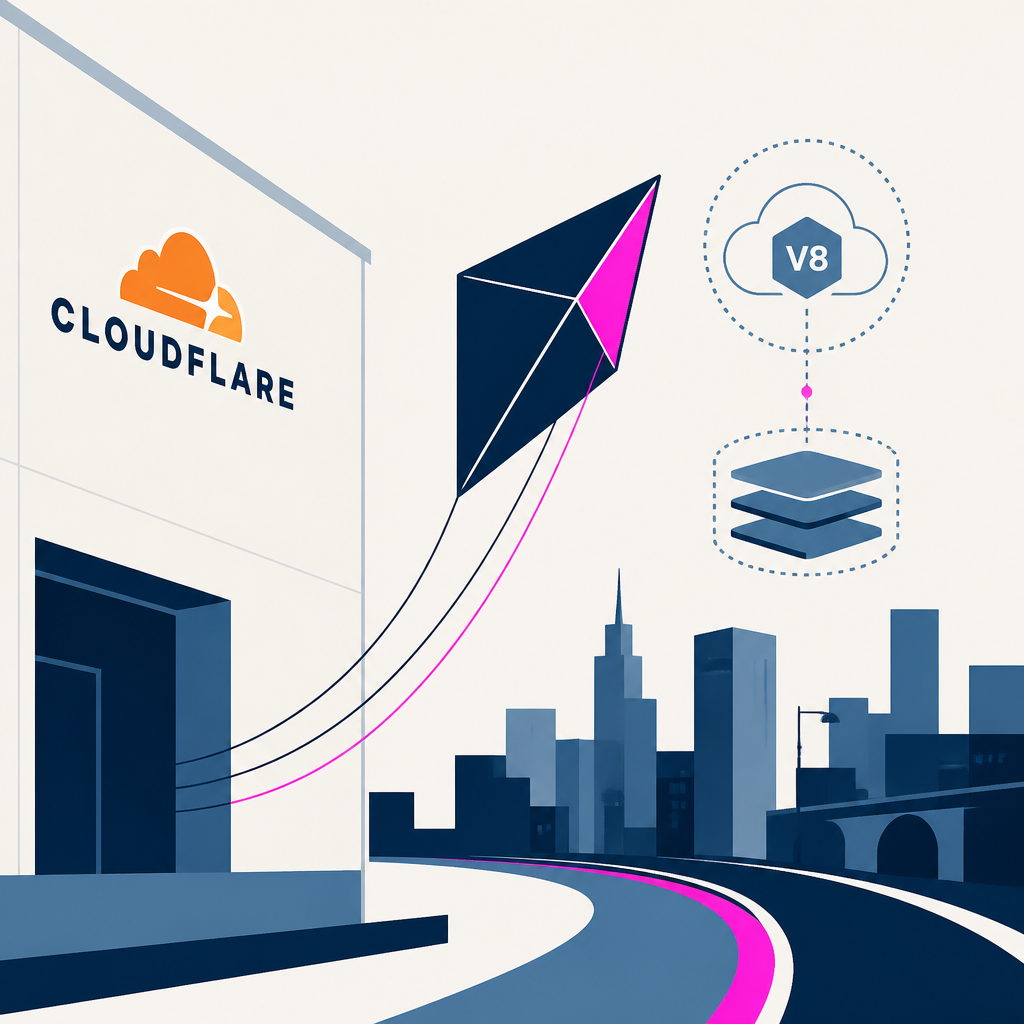
Cloudflare released Kitesurf, a lightweight web browser designed for AI agents that runs in V8 isolates on Cloudflare Workers instead of using Chromium. The browser uses 3.1–7.0× less memory and CPU than Chromium on agent tasks like screenshots and HTML extraction, though it runs 1.7–1.8× slower on wall time. Existing Puppeteer and Playwright clients can use Kitesurf by adding a single parameter, making it cheaper to run agent workloads at scale while maintaining compatibility with current automation tools.
The Agent Accelerator hosted a livestream with founder James McAulay to teach beginners how to build and use AI agents in Claude Cowork and Claude Code. The session includes a promise to start from “TOTAL beginners” and answers questions live over a five-minute run-up. Attendees are directed to follow along with demos, implement the guide, and watch a pre-recorded version if they join after 12pm PT / 3pm ET.
Amazon SageMaker Python SDK v3 now integrates generative AI inference recommendations directly into notebooks, allowing users to benchmark endpoints, generate deployment recommendations ranked by cost-performance tradeoff, and deploy optimized configurations without leaving their workflow. The new functionality in version 3.17.0 exposes operations like ModelBuilder.from_jumpstart_config(), start_benchmark(), generate_deployment_recommendations(), and deploy() to automate what previously required manual trial-and-error across instance types and framework settings. Users can now benchmark live endpoints, compare configurations like LMI vs vLLM, and iterate on deployment settings programmatically instead of manually testing multiple combinations.
Anthropic now recommends running multiple coding agents in parallel using separate git worktrees, but this creates bottlenecks downstream of code generation where infrastructure—staging environments, databases, and runtime systems—still operate as singular shared resources. Faros AI telemetry found that teams with high AI adoption merge 98% more pull requests while review time grows 91%, overwhelming infrastructure not designed for parallel change validation. Teams need to implement branch primitives at every layer of the stack (CI, deployment, database, runtime) to handle multiple concurrent changes, following patterns already established by Vercel, Neon, and Uber's SLATE architecture, so that each change exists end-to-end as a cheap delta rather than queuing behind shared bottlenecks.
AI coding tools at Meta and across the industry are generating code 106% faster than human reviewers can evaluate it, with review backlogs swelling into thousands of pending diffs. The core problem isn't defect detection—which accounts for only 14% of review comments—but knowledge transfer and shared understanding, which automated review threatens to erode into cognitive and intent debt. Organizations should use AI to automate only low-risk routine changes while protecting human review for high-judgment decisions that build team expertise and ownership.
yapyap is a privacy-focused meeting transcription tool that records and transcribes audio entirely on the user's computer rather than in the cloud. It costs €69 as a one-time purchase with no subscription, and allows users to generate multiple customized summaries (called 'lenses') from a single recording such as meeting minutes, action items, or interview quotes. The tool processes all audio locally on the user's device, with recordings never leaving their computer or requiring an internet connection.
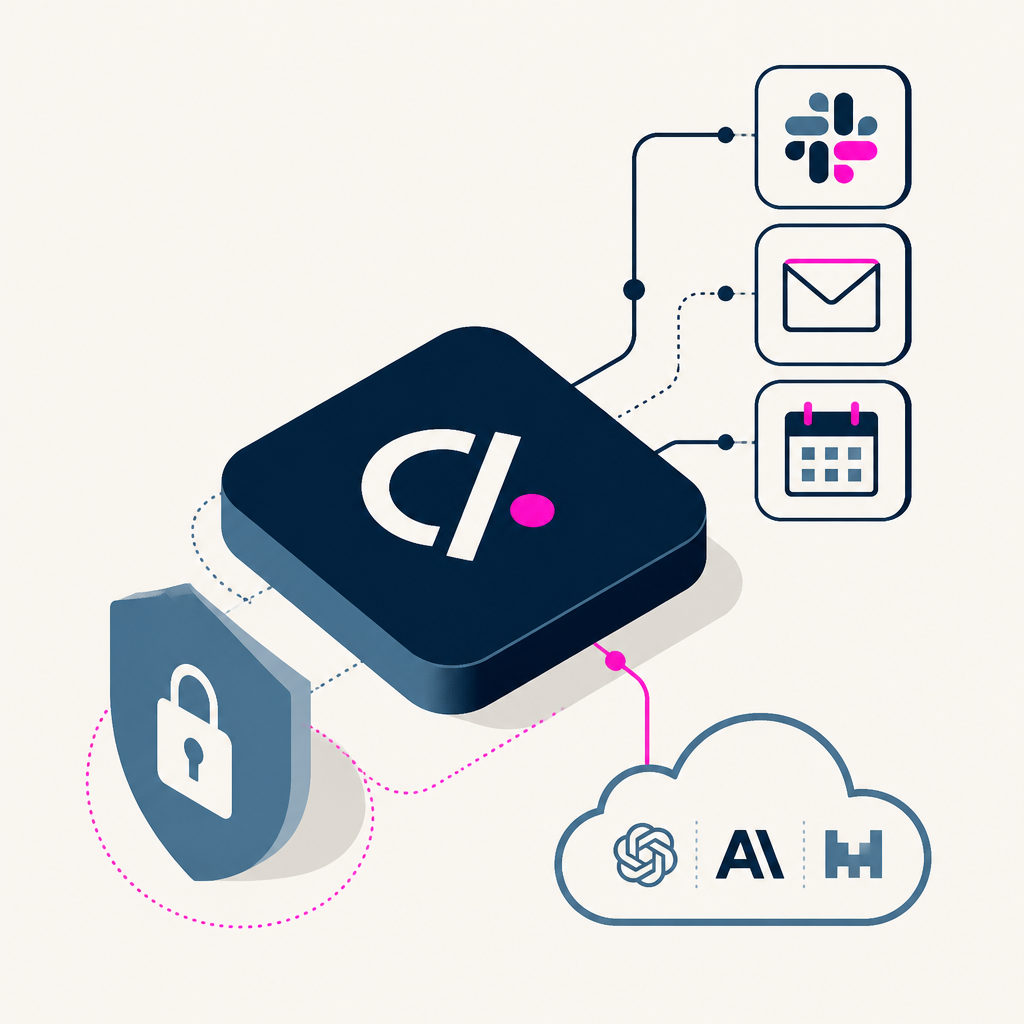
OpenWorker is an open-source desktop application that uses AI models of your choice to automate multi-step work tasks across everyday tools like Slack, email, and calendars. It operates locally-first with privacy controls, integrates with cloud or local models including OpenAI, Anthropic, and open-weight options, and requires user approval before taking consequential actions like sending emails or posting messages. Users pay only to their chosen model provider and maintain full control over tokens and API keys stored locally on their device.
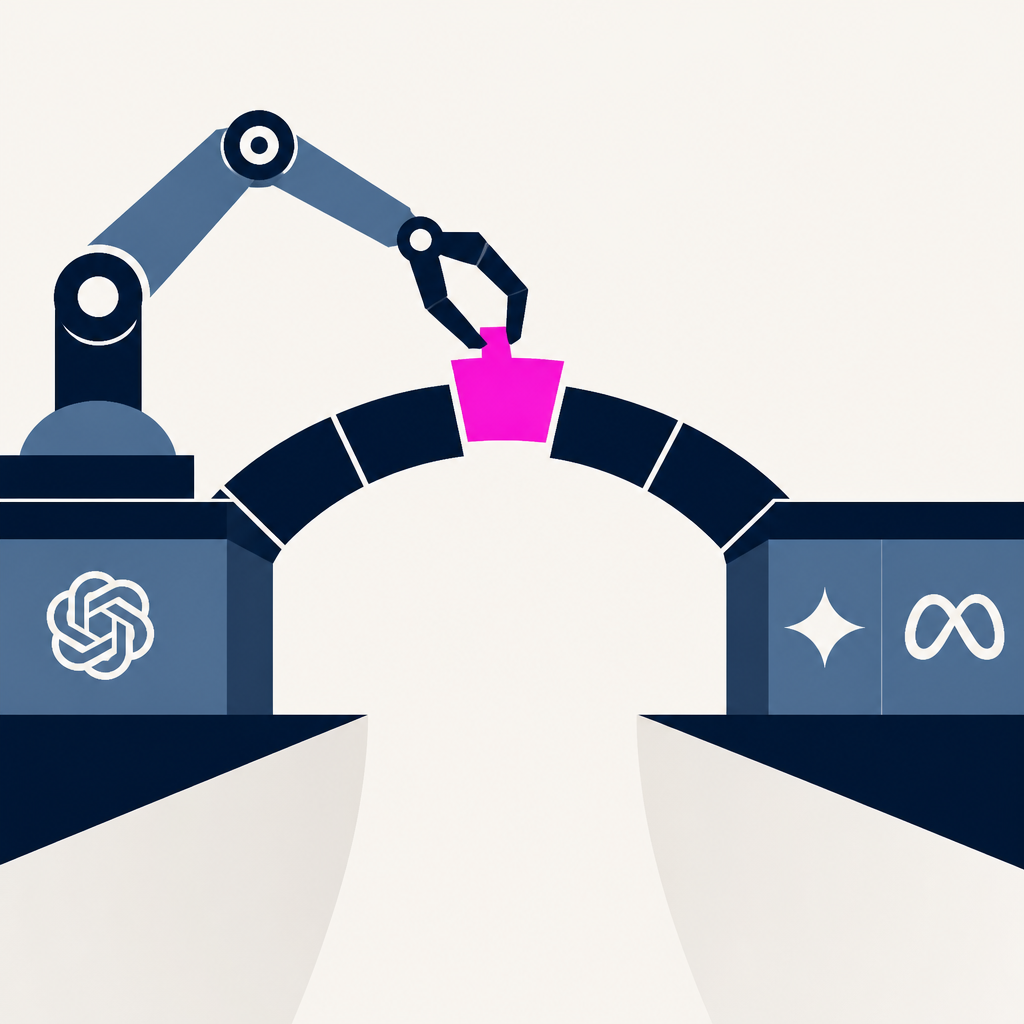
A discussion explores making AI prompt context portable across different models and platforms. The article lacks specific technical benchmarks or implementation details. The proposal would allow users to maintain consistent AI interactions regardless of which model or service they choose.
Every AI story that matters,
in your inbox by 8am.
TLDRocket reads all relevant sources, removes duplicate coverage, and summarises the
day in two minutes. Follow companies and topics for alerts, or get the
briefing in Slack. Free, no spam, unsubscribe anytime.
Reading TLDRocket needs no cookies, and the readership counts we rely on come from
our own cookieless analytics. Google Analytics is the exception: it sets cookies and
reports to Google, so it stays switched off until you allow it. You can change your
mind any time from “Cookie settings” in the footer.
Strictly necessary
Session security and form protection (tldrocket-session,
XSRF-TOKEN, 2 hours). The site cannot work without them,
so they need no consent.
Always on
Google Analytics 4 (_ga,
_ga_<id>, up to 2 years). Measures which
stories and sections readers use. Google acts as a third-party processor and may
store the data outside the EU. No advertising, no profiling, no data sold.