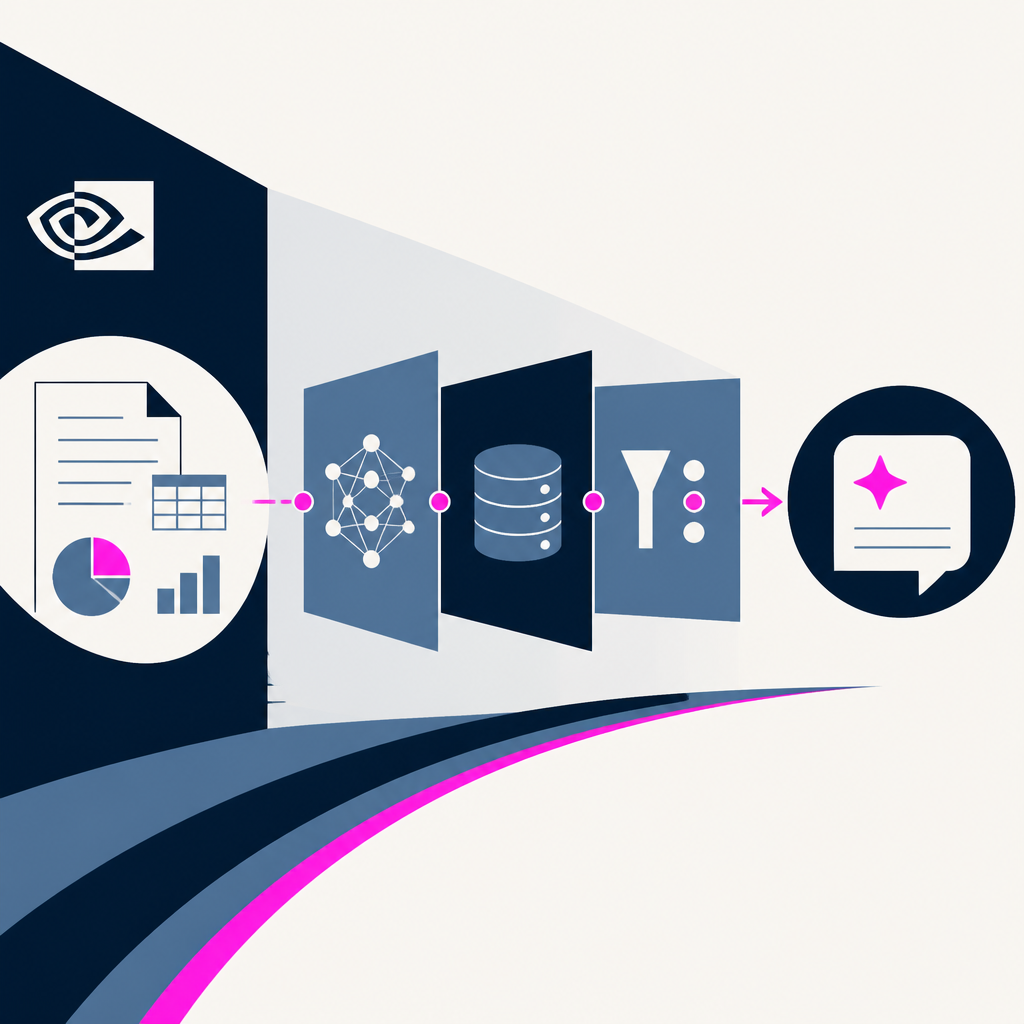
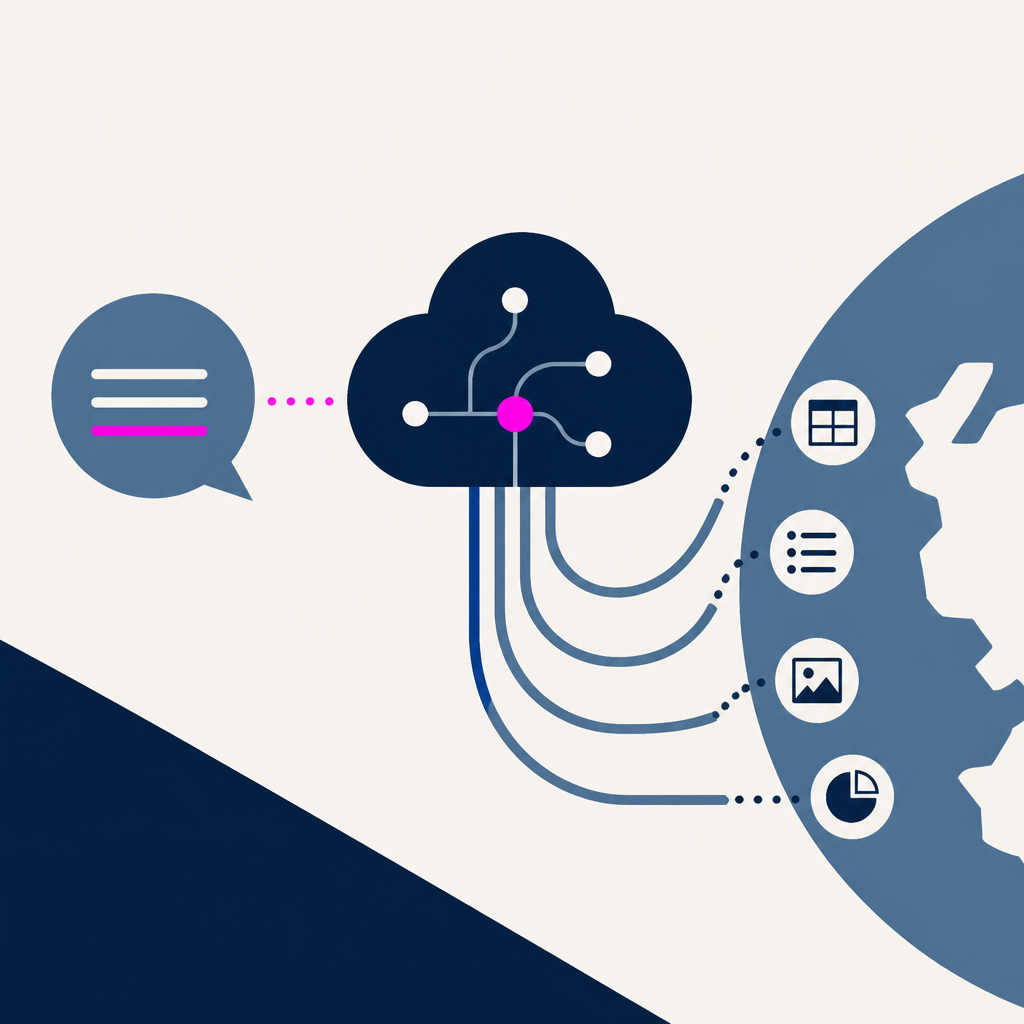
NVIDIA published a tutorial showing how to build a multimodal retrieval-augmented generation pipeline using NeMo Retriever, which extracts text, tables, charts, and infographics from PDFs, generates embeddings via hosted NIM endpoints, stores vectors in LanceDB, and generates grounded answers with citations using a Nemotron language model. The pipeline processes documents through six stages: offline text extraction, multimodal ingestion with hosted models, dense retrieval, vision-language reranking, filtered search, and RAG answer generation, with a recall-at-k evaluation. The complete workflow enables document intelligence applications to transform PDFs into searchable, citation-ready knowledge bases while delegating model inference to cloud-hosted services.
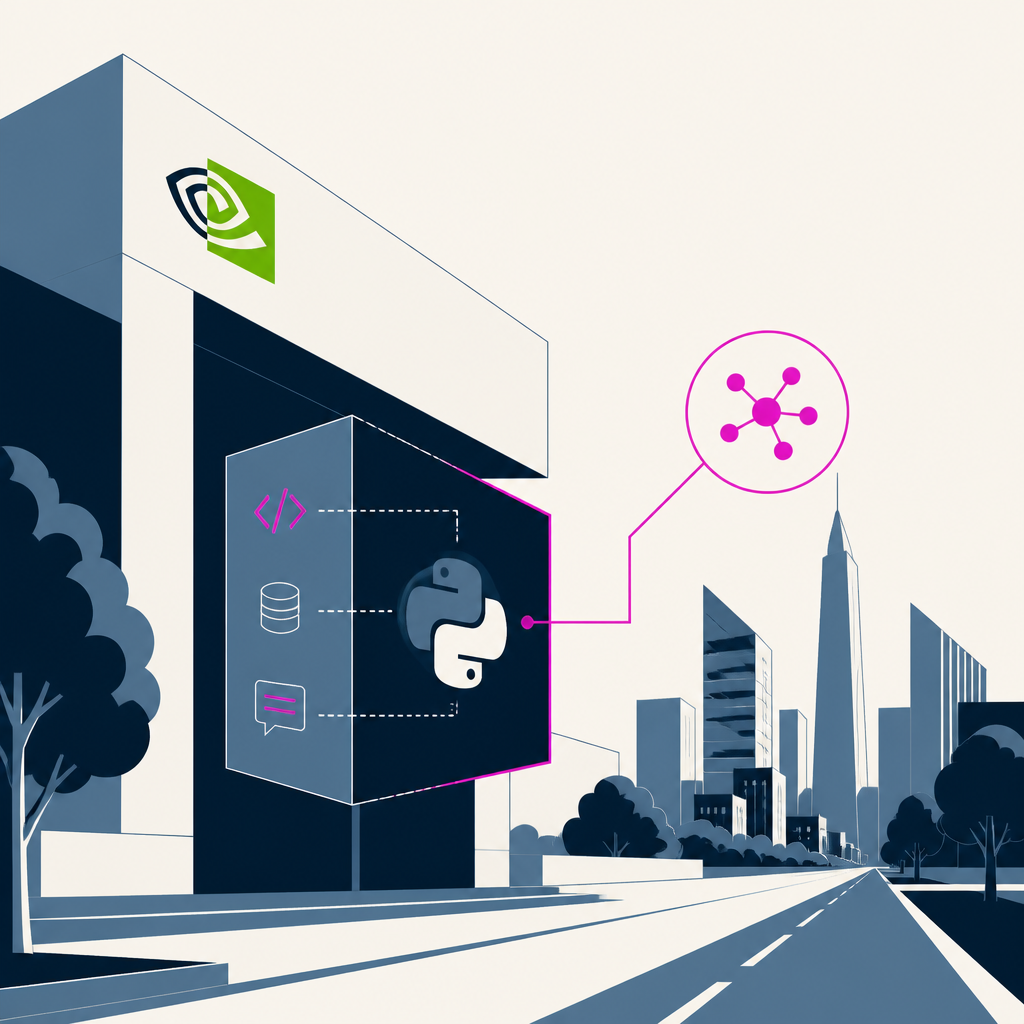
NVIDIA Labs open-sourced NOOA, a Python framework that consolidates AI agent development into a single class where methods are actions, fields are state, and docstrings are prompts. The framework achieved 82.2% on SWE-bench Verified and 86.8% on CyberGym L1 while using roughly half the tokens of comparable systems. Agents can now be tested, traced, and version-controlled like standard software, though generated code execution requires OS-level isolation for security.
Cloudflare released Kitesurf, a cloud-hosted browser optimized for AI agents rather than human users. The browser consumes less computing power than Chromium for standard automation tasks. This enables developers to build browser-based AI agents with reduced resource requirements and lower operational costs.
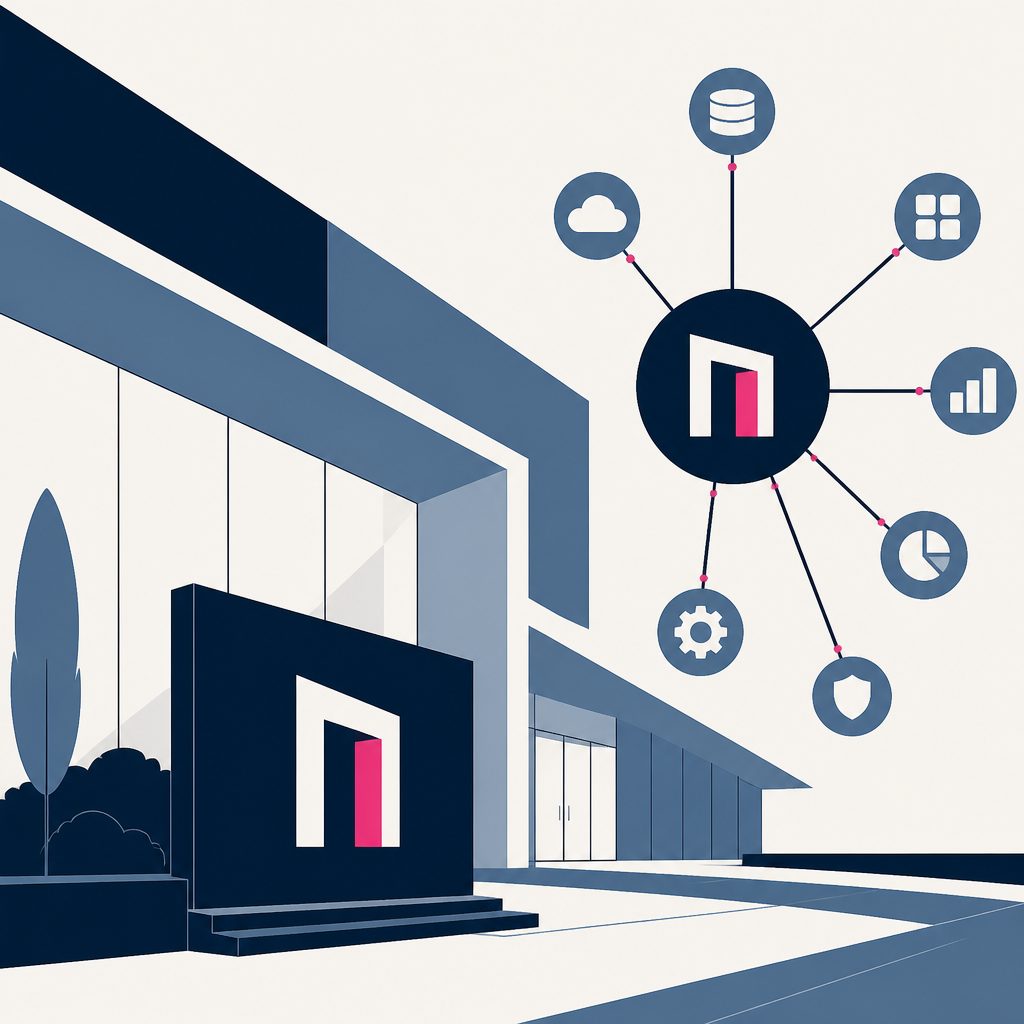
Toolport is a unified framework that consolidates tools and integrations into a single Model Context Protocol (MCP) setup to serve multiple AI agents. The platform standardizes how AI agents access external tools through a single connection point rather than requiring separate integrations for each agent. This reduces infrastructure complexity and allows organizations to manage agent tooling centrally instead of maintaining individual tool connections across different AI systems.
A developer documented an agent session building a Chrome extension for Google Calendar drag-and-drop appointment scheduling, revealing inefficiencies in how they directed the agent rather than failures in the agent itself. The task required 61 minutes of voice notes and screen recordings after initial typing failed, and context window compressions caused the agent to relearn information three times during one 60-minute iteration loop. Better upfront specifications, explicit testing requirements, model selection for the task type, and strategic use of files to preserve learnings across context compressions would have reduced wasted tokens and time.
DocsAlot CLI lets Claude or Codex create and maintain documentation. No specific numbers or dates are provided in the page text. As a result, documentation upkeep can be delegated to those AI tools instead of being done manually.
As AI tools make software creation nearly frictionless, developers can now generate plausible code instantly rather than struggling through months of learning by failure. The shift eliminates the old cost-based filter that naturally selected for quality, placing the burden of judgment—taste—entirely on human discretion rather than market forces or measurable metrics. Without the struggle that built expertise, new developers gain fluency without apprenticeship, while those with refined judgment find it invisible and unrewarded in a market flooded with acceptable mediocrity.
Generative UI describes interfaces dynamically created by AI models to replace static designs, spanning three approaches: Static/Controlled (reusing existing components with constrained AI outputs), Declarative (AI choosing layouts from authorized component libraries), and Open-ended (arbitrary HTML/code generation). The article presents two working demos—a places filter using tool-constrained AI and a trip planner composing full pages—to illustrate how teams can adopt GenUI incrementally through specifications like A2UI, AG-UI, and frameworks like CopilotKit. This shift moves UI complexity from developers designing predetermined layouts to defining rules and letting AI adapt interfaces to user intent at scale.
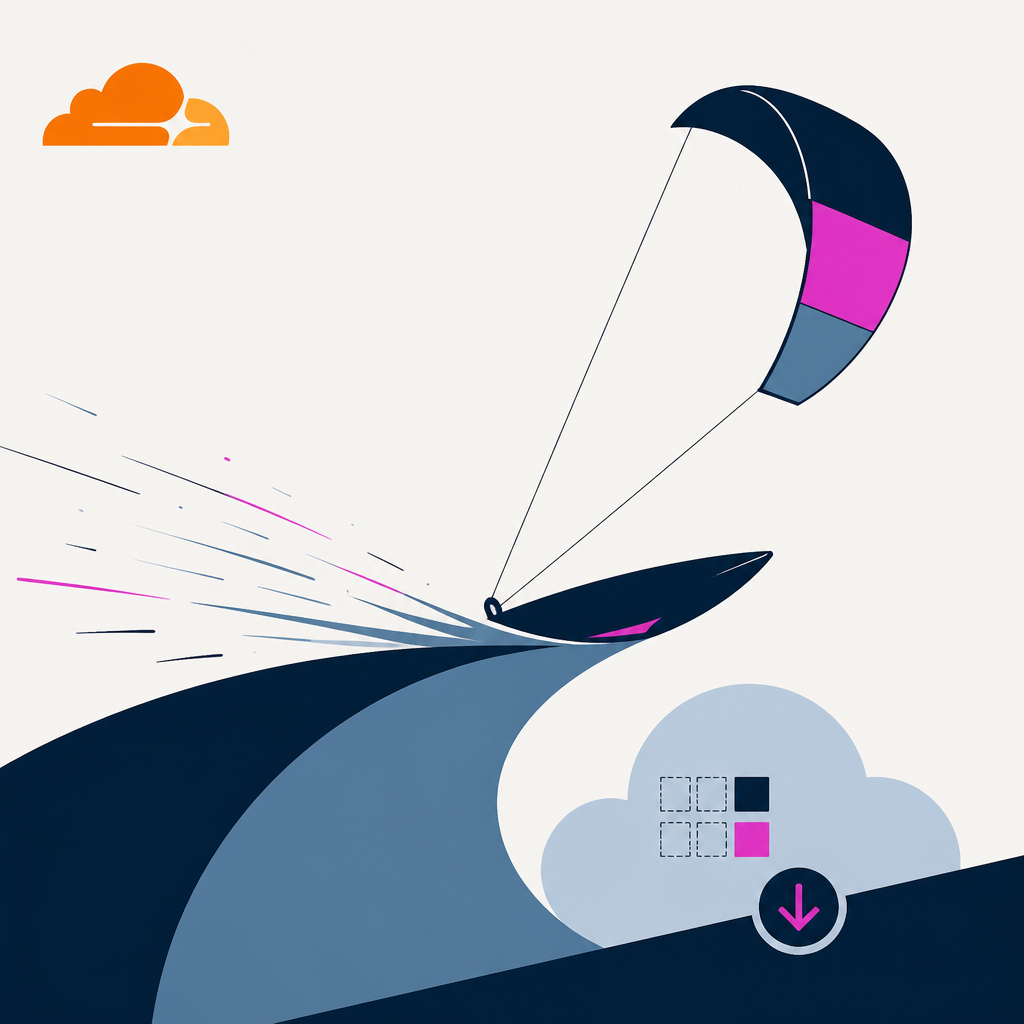
Cloudflare announced Kitesurf, a new browser built on Workers specifically for AI agents that runs in V8 isolates and is more efficient than Chromium for tasks like screenshots and HTML extraction. The browser uses Rust compiled to WebAssembly, Web Platform Tests for validation, and architectural isolation to handle untrusted web content safely without tabs, extensions, or pixel-perfect rendering. Agents can now access a lightweight browser optimized for token count and cost rather than human-centric features, available free in beta through Browser Run.
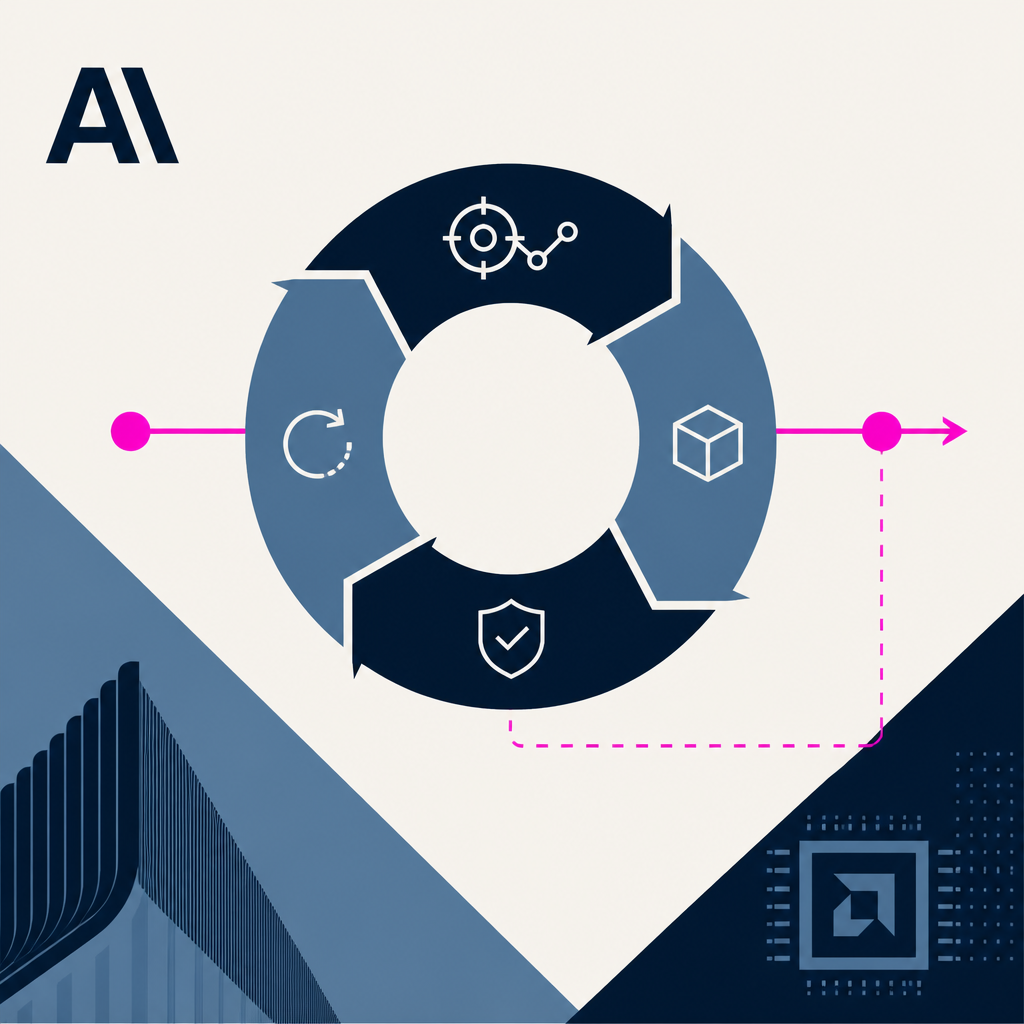
Anthropic's Boris Cherny discusses loop engineering, a methodology that shifts from traditional coding to managing AI agents through graph-based workflows that cycle through planning, action, verification, and retry or escalation steps. The approach structures agent behavior around loops rather than linear code execution. This changes how developers design AI systems from writing sequential instructions to orchestrating iterative agent decision cycles.
Energy is an AI assistant platform that automates multi-step workflows across browsers and business tools by accepting plain-language task descriptions. Users can connect apps like Gmail, Google Drive, Slack, and Outlook, then have Energy handle end-to-end work completion with full audit trails and no training on user data. The product targets founders and operators who want to reduce time spent on coordination and task execution across disconnected tools.
Nativ released an open-source desktop application that runs large language models locally on Apple Silicon Macs without requiring cloud services, accounts, or subscriptions. The app supports models from Google, Cohere, and Liquid AI, optimized for M-series chips using MLX-VLM, and provides live performance metrics including tokens per second and memory usage. Users can now run AI models entirely on their own hardware with full transparency and control over their data.
BrowserAct Cloud offers a way to scrape data from websites using a single prompt. No specific date, price, or benchmark is provided. The workflow shifts from writing scraping scripts to describing the target data in natural language.
Every AI story that matters,
in your inbox by 8am.
TLDRocket reads all relevant sources, removes duplicate coverage, and summarises the
day in two minutes. Follow companies and topics for alerts, or get the
briefing in Slack. Free, no spam, unsubscribe anytime.
Reading TLDRocket needs no cookies, and the readership counts we rely on come from
our own cookieless analytics. Google Analytics is the exception: it sets cookies and
reports to Google, so it stays switched off until you allow it. You can change your
mind any time from “Cookie settings” in the footer.
Strictly necessary
Session security and form protection (tldrocket-session,
XSRF-TOKEN, 2 hours). The site cannot work without them,
so they need no consent.
Always on
Google Analytics 4 (_ga,
_ga_<id>, up to 2 years). Measures which
stories and sections readers use. Google acts as a third-party processor and may
store the data outside the EU. No advertising, no profiling, no data sold.