Simon Willison’s Weblog·22 hours ago·
20
● 2 sources
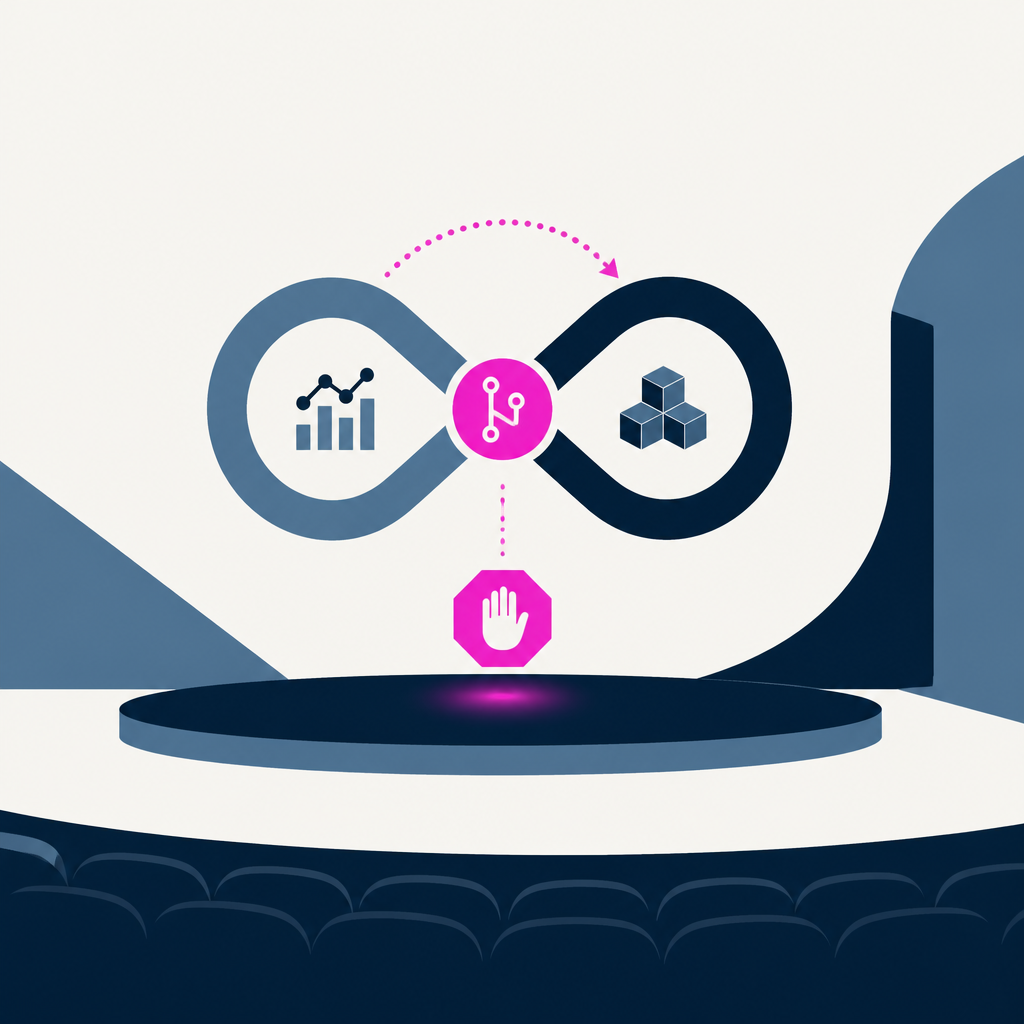
Anthropic redesigned its source-control system by building Scion and replacing Git after code-change volume increased. In May 2026 it averaged about 2,500 merged code changes per day, rising to over 30,000 per day by September. The switch introduced the “Antique” code review system and a new migration completed in five months.
eAccounts says “vibe coding” startups are reaching working products faster than they are preparing investor-ready company paperwork and structures. The firm highlights that R&D tax relief must be notified to HMRC within 6 months of the end of the accounting period or the claim is lost. As a result, investors may delay, shrink, or end funding rounds after due diligence finds issues like late incorporation, missing vesting, messy cap tables, unclear IP ownership, or weak financial records.
Diagramly is launched as a free digital whiteboard for typed or described hand-drawn diagrams and cheat sheets, including workflows like Client -> API -> DB. It supports exporting diagrams in 3 formats: PNG, SVG, and PDF. As a result, users can create and share diagram slides or embed them in docs without signing up.
Amazon explains how to manage AWS Marketplace Private Pricing Offer access for Amazon Bedrock across many AWS accounts by subscribing once in a central AWS Organizations management account and activating License Manager managed entitlements distribution. It provides two activation paths, including a lightweight one-time script that must be re-run with --apply --confirm-account-id ACCOUNT_ID to activate organization-wide grants. Teams can use manual one-time activation for trusted received licenses or deploy CDK automation that automatically verifies sellers, creates distributed grants, and activates them when they reach ACTIVE or WORKFLOW_COMPLETED so negotiated Bedrock pricing applies without console checking.
Google announced that Google Play will let Android users launch personal apps created on-device without publishing them to public Play listings. The feature launches first in the U.S. for users age 18 and up. As a result, vibe-coded apps can stay private on the creator’s account and later be shared with trusted friends or published publicly after trust and safety reviews.
SpaceX Super Intelligence bundled X Premium, Grok, and Cursor into a single offering called “The X Subscription” to attract more subscribers in the paid AI subscription market. Plus is priced at $8/month, with tiers up to Ultra at $200/month. The bundle changes how users buy these services by moving them into one plan with tiered AI usage caps and rolling upgrades for eligible existing subscribers.
Geoffrey Huntley describes using a pre-commit hook to detect when coding agents make direct calls to observability modules that bypass his diagnostics library. The hook fails the commit and injects an instruction prompt on the spot—so the agent must switch to the diagnostics library. This approach is meant to prevent configuration drift and improve the setup’s consistency over time.
Workday connected its Sana AI assistant to TypeSafe’s Jev decision model to assemble HR, finance, and IT user interfaces dynamically instead of generating whole screens. Jev is described as returning answers in 70 to 500 milliseconds. The default UI becomes a Sana home screen where components like hidden-amount cards and date pickers are selected in real time, with uncertain cases routed elsewhere and some functionality reduced when Sana runs inside Claude.
Google’s AI Studio now lets users launch their vibe-coded personal Android apps directly through the Play Store without connecting a phone to a computer. The new feature was announced in the US on Tuesday. This changes app installation and launch by moving it into Play Store while Google keeps the apps secure, private, and separate from the public catalog.
SpaceXAI launched “The X Subscription” that bundles X Premium, Grok, Grok Bot, and Cursor under one set of five tiers. The plan ranges from free to $200 per month, with the entry paid tier starting at $8 and third-party model usage on Cursor no longer included. Developers using non-Grok models such as Claude or GPT now pay standard API rates via prepaid credits starting from their first request, while existing Cursor plans can stay in place temporarily.
Open Intelligent UI released a launch demo where a chat agent renders explanations, comparisons, tools, and maps directly inside the conversation. The launch film runs for 54 seconds. As a result, user requests can trigger either text answers, native components, or sandboxed interactive UIs, with visualization routing handled by Jev and tables/charts produced by A2UI and Open Generative UI.
The author argues that PR review is shifting away from line-by-line reading toward tests, guardrails, monitoring, and automated review agents as AI writes code faster. In almost 3 weeks, a personal trading bot ran about 1,500 trades and a requirements bug led to losses before the issue was fixed. The new workflow changes review into “rules before code” plus re-review loops and independent user-story/UAT checks, with humans focusing on what they can’t undo and owning the remaining risk.
PostHog says it has built 10 AI products and learned that AI features can hurt product quality, so it should be added only when it targets real user jobs. The company reports its install wizard completes 2 hours of work in about 8 minutes and that it boosts paid conversion 5x and activation 2x. It changes its product approach toward agent-first workflows, shared AI infrastructure, reliability/observability, and continual context/tooling updates as models upgrade.
Perplexity Computer launched Projects so people and AI agents can collaborate on long-running tasks in shared workspaces backed by a persistent, concurrent, traceable Git-style repository. Submissions have a median latency under 1.7 seconds (p99 under 8 seconds) with stale-base conflicts forcing the losing writer to replay and resubmit on the new head. This replaces per-session isolation with month-spanning version history and automatic state convergence while keeping large files and parsed document text managed outside the repository.
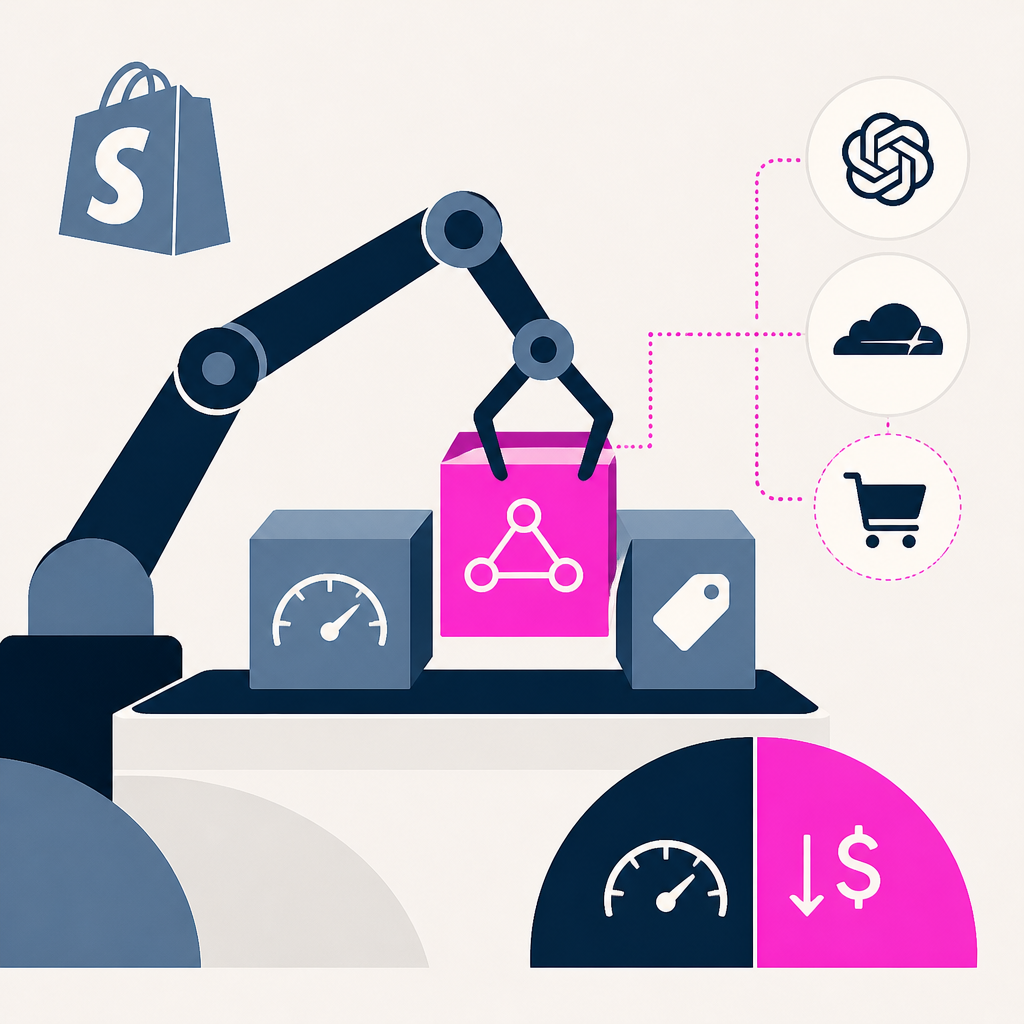
Shopify shipped WebMCP storefront tools to production and the post says additional support (including Checkout) is now arriving alongside growing third-party interest such as OpenAI and Cloudflare support. In the cited experiments, WebMCP was reported as 2.7x faster and 58% cheaper than other approaches, with 60 out of 60 successful Checkout attempts versus 56 out of 60 with browser automation. The change is that sites can register JavaScript tools with schemas for agents to call directly, improving co-browsing speed/UX and shifting agent–web interaction toward “direct tool calls” while driving ongoing work on permissions, monitoring, testing, and safety signals.
Google launched Gemini 4 Argon as its frontier model for long-horizon software engineering, enterprise knowledge work, and cybersecurity defense. As of Oct 13, it is available globally in the Gemini API paid tier, AI Studio, the Gemini app, and AI Mode in Search with a 1M unified input and output token limit. It moves the model into multiple Google products and paid developer access with a specified token cap for longer tasks.
SpaceXSI is bundling Grok, the Cursor coding editor, X Premium, and the Grok Bot agent into a single “The X Subscription” instead of separate purchases. The subscription is offered in five tiers, ranging from Free to $200 a month at the Ultra level. The rollout creates one shared weekly usage pool for Grok and Cursor that excludes third-party models, and it lets existing subscribers switch with prorated refunds.
Epic delayed its Disney-linked game release from November to March after telling developers to build an AI-first pipeline for art using full AI workflows.
The release date slipped from November to March.
The team is expected to shift development toward AI-accelerated processes led by Epic developers.
Apple used its “Welcome Home” October 13 launch event to debut HomeView and expand its smart home lineup with cameras, thermostats, and a smart lock in partner collaboration.
Exodus is launched to help move applications to Google Cloud Run using a coding agent that checks an app locally, compares current vs Cloud Run costs, and proposes required changes. It includes 50+ playbooks and can make the migration task-by-task or design a new Cloud Run app. As a result, developers can upgrade apps to Cloud Run with an agent-guided workflow rather than doing the migration manually.
Razorpay launched SlashDocs as a self-hosted, open-source collaboration hub for AI agents that let them publish and update interactive HTML documents with team feedback. It is Razorpay’s 17th launch. This shifts agent workflows from plain text and scattered Slack/email feedback to commenting directly on the live document with in-place updates.
EditUI launches as a Chrome extension that lets you open your real app in Chrome, click UI elements, and leave instructions for a coding agent to apply changes.
The tool is free and open source.
It changes the workflow by batching multiple UI edit instructions and sending them together to Claude Code, without repo setup, signup, or a backend.
Every AI story that matters,
in your inbox by 8am.
TLDRocket reads all relevant sources, removes duplicate coverage, and summarises the
day in two minutes. Follow companies and topics for alerts, or get the
briefing in Slack. Free, no spam, unsubscribe anytime.
Reading TLDRocket needs no cookies, and the readership counts we rely on come from
our own cookieless analytics. Google Analytics is the exception: it sets cookies and
reports to Google, so it stays switched off until you allow it. You can change your
mind any time from “Cookie settings” in the footer.
Strictly necessary
Session security and form protection (tldrocket-session,
XSRF-TOKEN, 2 hours). The site cannot work without them,
so they need no consent.
Always on
Google Analytics 4 (_ga,
_ga_<id>, up to 2 years). Measures which
stories and sections readers use. Google acts as a third-party processor and may
store the data outside the EU. No advertising, no profiling, no data sold.