The U.S. Air Force will purchase data from WindBorne Systems’ autonomous weather balloon fleet under a new contract that could reach nearly $50 million for the startup. The contract is worth up to $49 million, with $1.7 million already ordered so far and further orders expected. This increases WindBorne’s funding for scaling its 700-balloon constellation and supports additional research and development on balloon hardware and performance.
Honeyjar is building AI tools that automate PR and communications workflows, aiming to let companies and individuals use PR professionals’ judgment without replacing them.
TechCrunch Disrupt 2026 begins tomorrow at 8 a.m. PT at Moscone West in San Francisco for three days of sessions, Expo Hall activity, and Startup Battlefield competition. The ticket offer includes up to $100 in savings if you register within the final 24 hours, plus a $75 last-minute Expo+ Pass for people recently laid off. The event adds an AI-powered matchmaking feature in its app to make connections easier while new attendee pricing options become available.
Ambi, founded by former Plaud executive Peter Mo, launched an AI app that listens to users continuously to provide real-time meeting insights and proactive suggestions across iPhone, Mac, and Apple Watch. It raised $26 million in funding led by Luminous Ventures on Monday. The product adds ambient listening options with the intent to do parts of work during meetings and later expand via a desktop memory feature and planned hardware, while privacy controls depend on user disclosures.
Monopulse raised over €2 million to scale its electronic-warfare-resistant reconnaissance drones used by NATO militaries.
The angel syndicate contributed €560,000 from 68 investors.
The funding will expand production capacity, fund R&D, and accelerate market entry into Scandinavia and other international markets.
Loops raised $3.5M to build a unified AI layer for e-commerce retailers that links product discovery, Q&A, and virtual try-on into one connected shopping journey. The seed round was led by Andreessen Horowitz’s a16z Speedrun and included participation from NTT Docomo and others. Retailers that adopt Loops can replace siloed AI features with an AI system tied to their product catalogs and shopper intent, enabling more end-to-end recommendations and faster in-session answers.
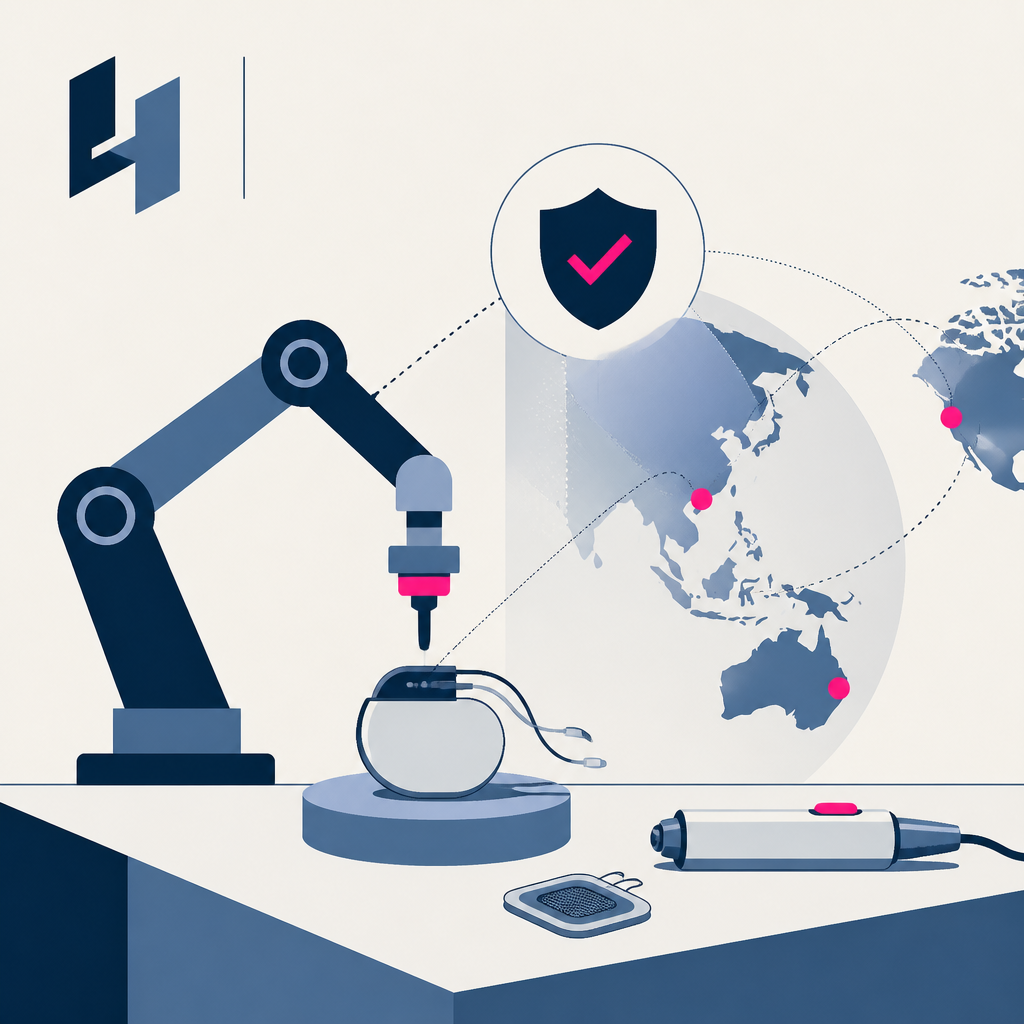
Scarlet raised a $50 million Series B as a certification body for AI and software medical devices. The funding round was led by Headline. The company plans to expand in the United States and Asia-Pacific, add AI reviewers and engineers, and broaden its certification offerings, to shorten certification timelines for AI device updates.
Scarlet, founded by former Babylon Health engineers, raised a Series B financing round to speed certification of AI medical devices via regulatory review. The company secured $50 million led by Headline, alongside Notion Capital joining other existing investors. The funding will be used to expand in the US and Asia-Pacific and hire more AI reviewers and engineers to support faster device approvals.
1KOMMA5° raised a financing round valuing the company at $1.35 billion and said it will increase funding for its AI-powered energy management platform. It plans to invest more than €100 million in Heartbeat in 2027. The move expands its energy AI automation efforts and supports options like potential US expansion and a possible US IPO.
The Wall Street Journal·2 weeks ago·
50
● 3 sources
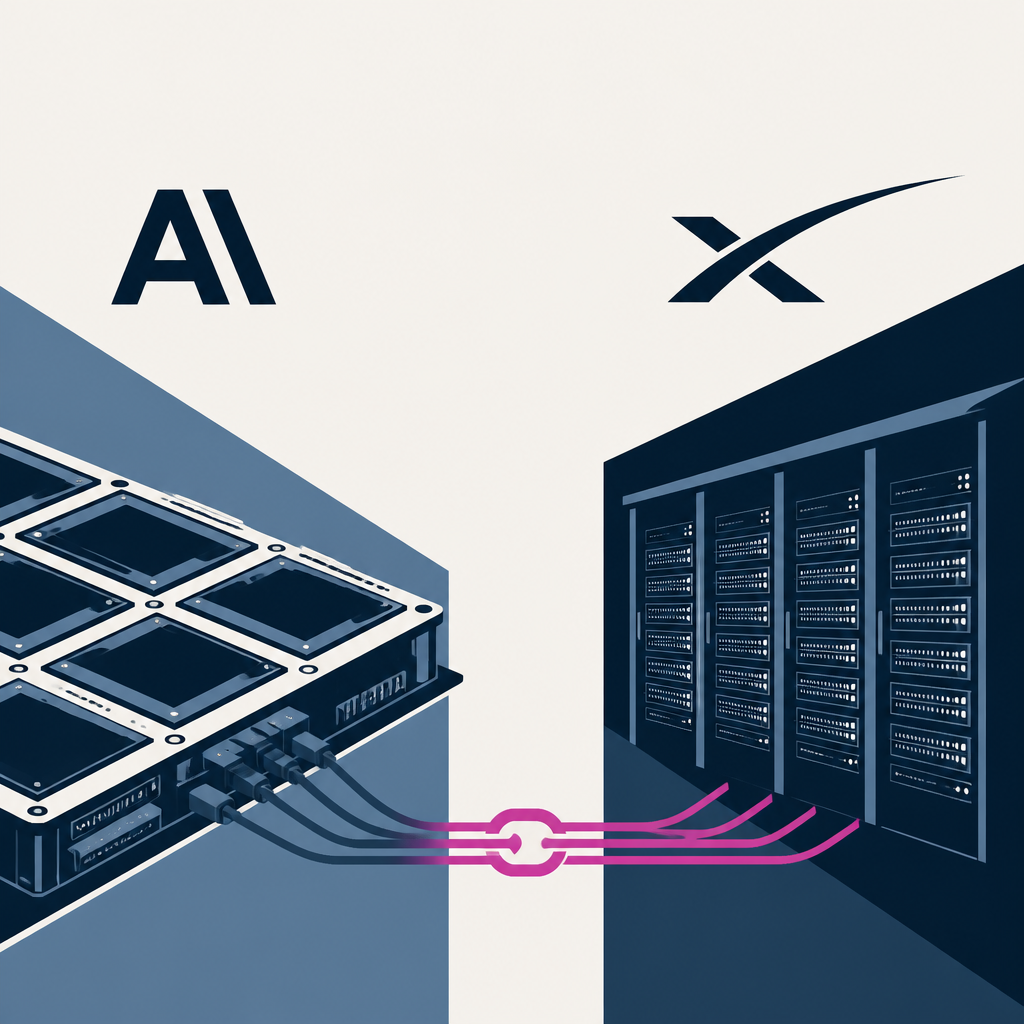
Anthropic reportedly reached a deal to lease computing power from SpaceX. The reported total value is up to $45 billion. As a result, Anthropic can secure more compute while the broader market shifts toward partnerships with competitors and funding-backed access to capacity.
Meta released its Muse AI agent after delaying it for months over safety concerns. The change came after Instinct’s AI agent showed success and only a few safety hiccups were reported. Meta moved forward with the launch despite those earlier concerns, to avoid falling behind competitors.
Vesta raised $30 million led by Conversion Capital as lenders adopt its AI agents for mortgage loan origination automation. The round was announced on Thursday. The company will use the funding to staff up, expand product lines like an AI personal assistant, and broaden agents that speed mortgage processing while keeping underwriting responsibility and audit trails with lenders.
Anthropic reportedly signed an unannounced multiyear cloud deal with Miner IREN. The article provides no deal terms or dates. As a result, it only indicates a new long-term cloud partnership without any measurable specifics.
Matter Machine completed a £4M pre-Series A funding round and recruited Oxford Nanopore co-founder Gordon Sanghera to lead commercialisation strategy for AI-driven materials discovery. The round was led by IP Group and was £4M. This support will expand the team, develop its AI-plus-experiment platform, and pursue commercial partner contacts against better-funded competitors like CuspAI.
Nuvacore, a Sequoia-backed startup, is reportedly raising money at a roughly $2.5B valuation despite having no product yet. Investors would be asked to price its general-purpose CPU approach, with Reuters adding that the round had not closed and the amount and terms could change. The push is meant to accelerate AI data-centre demand for CPUs, with a first WarpCore benchmark expected to determine whether this CPU-first plan works.
European tech funding rebounded in September, with the largest deals listed by Tech.eu accounting for most of the month’s total. September funding reached €15.8 billion across 300 deals, up from €3.2 billion across 165 deals in August. The mix shifted with cloud taking the top-funded sector (€5.5 billion) instead of AI, while the biggest rounds drove 70.8% of funding.
1Komma5° raised €70 million from existing and new backers instead of proceeding with an IPO. The company valued itself at $1.35 billion (about €1.2 billion) and plans to invest more than €100 million next year into Heartbeat AI. As a result, its AI-based home energy management system will expand while the IPO plans remain on hold pending next year’s performance.
The European tech weekly recap tracked over 70 European tech funding deals worth more than €818 million along with 10+ exits and M&A events. In September, European startups raised €15.8 billion across 300 funding deals. The latest monthly report updates the funding picture by showing a rebound versus August while keeping exit activity steady at 39 transactions for the month.
Manus, the AI agent startup, raised more than $500 million after Beijing blocked Meta from buying it. The funding round brought in over $500 million (about €445 million), led by Boyu Capital and IDG Capital. The company says it will keep hiring and is also reportedly considering an IPO in Hong Kong.
Klarent, founded by former Google engineers, raised $8M to automate enterprise software testing with AI agents that write and reuse deterministic test code rather than run it during application execution. Mosaic Ventures led the seed round, while Klarent’s agents support about 3,500 tests per day for a customer and a human-in-the-loop checks each result. The funding will be used mainly to expand its US and UK sales teams and grow engineering, increasing headcount beyond its current 25 employees.
Playad launched a service that provides an AI marketing team to research competitors, generate image and video ads, run campaigns, and analyze performance. It claims to be usable “from one chat” and to offer “free” options. Users can review and approve outputs, while the platform continuously learns from results and suggests what to try next.
Every AI story that matters,
in your inbox by 8am.
TLDRocket reads all relevant sources, removes duplicate coverage, and summarises the
day in two minutes. Follow companies and topics for alerts, or get the
briefing in Slack. Free, no spam, unsubscribe anytime.
Reading TLDRocket needs no cookies, and the readership counts we rely on come from
our own cookieless analytics. Google Analytics is the exception: it sets cookies and
reports to Google, so it stays switched off until you allow it. You can change your
mind any time from “Cookie settings” in the footer.
Strictly necessary
Session security and form protection (tldrocket-session,
XSRF-TOKEN, 2 hours). The site cannot work without them,
so they need no consent.
Always on
Google Analytics 4 (_ga,
_ga_<id>, up to 2 years). Measures which
stories and sections readers use. Google acts as a third-party processor and may
store the data outside the EU. No advertising, no profiling, no data sold.