Zvi (Don't Worry About the Vase)·3 weeks ago·
22
● 3 sources
Claude Opus 5.5’s system card lays out updated classifier and evaluation results, including claims about its cyber strength and evidence on alignment-risk and R&D capabilities. METR’s preliminary AI R&D estimate is about 1.5X overall acceleration from AI, with roughly a 30% chance of 2X. Anthropic says it will adjust how it tests biology by dropping “helpful-only” versions and otherwise relies on largely the same oversight/safeguards while deploying Opus 5.5 to the public with cyber controls.
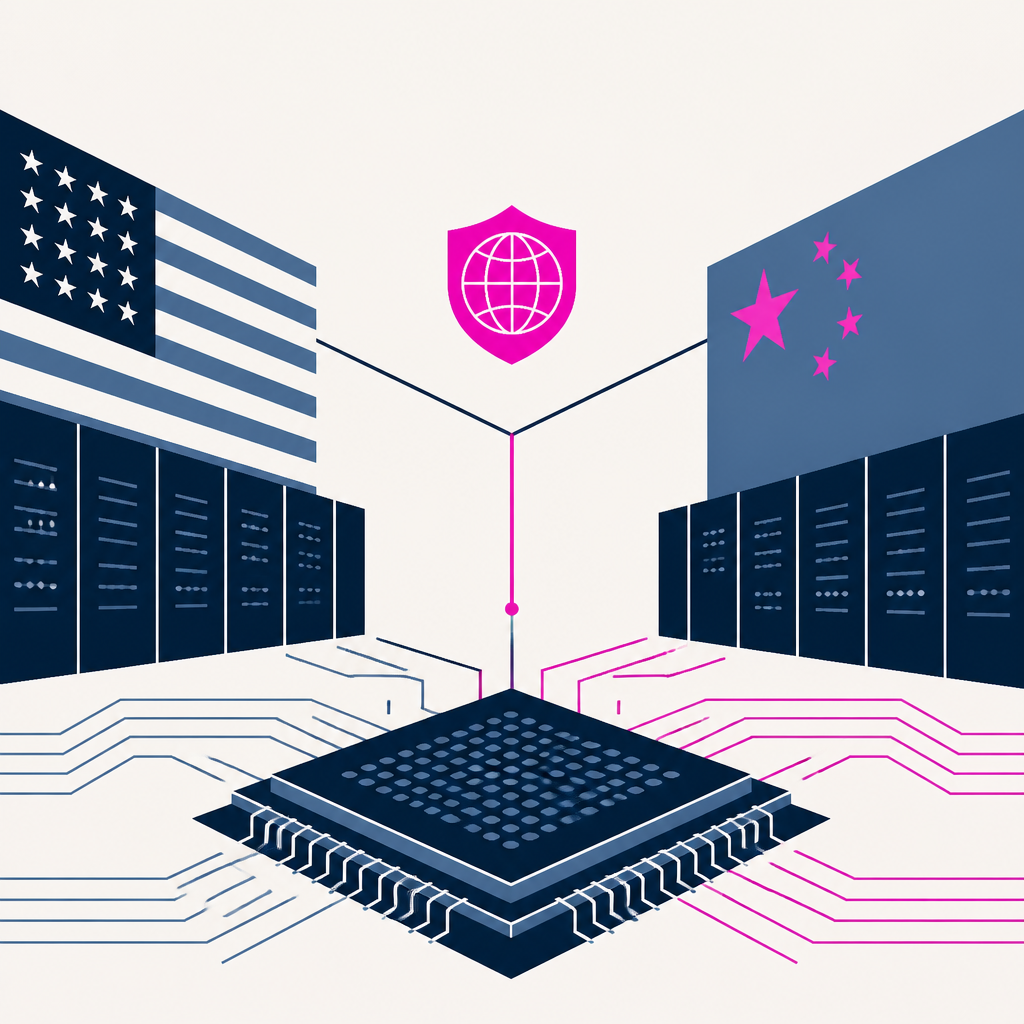
The US and China began talks on an AI safety governance framework, but Trump–Xi cooperation is uncertain amid escalating rivalry. Scott Bessent said the sides discussed a new AI safety notification mechanism ahead of the Thursday and Friday meeting. If China agrees, the countries could share alerts on unpredictable or threatening AI behavior, but current export controls, chip curbs, and recent US accusations could block a reliable system.
Meta launched Ray-Ban Meta Audio Glasses with Meta AI but no camera for recording others. The glasses are introduced at Meta Connect 2026. As a result, Meta shifts its newest wearable away from camera-based surveillance concerns toward audio-only interaction.
Sen. Bernie Sanders and Rep. Greg Casar introduced legislation to ban anyone from developing artificial superintelligence.
The bill would allow penalties of up to 20 years in prison for violations.
If enacted, it would prohibit superintelligence development and also pause the development of advanced AI systems.
Trump administration officials have publicly attacked Effective Altruism as an ideology they link to AI-risk alarmism and efforts to push for AI regulation. A Politico poll found 63% of Americans believe AI poses at least a moderate risk of destroying humanity. The backlash appears to be increasing anti–AI doomer sentiment and could either discredit Effective Altruism or give it a bigger public platform.
Sam Altman told the United Nations Security Council about AI safety, maintaining human control, and the need for international cooperation. The article provides no specific date, benchmark, or number. This shifts discussion toward coordinated global AI governance rather than announcing a new product, policy, or technical result.
Gallup and Microsoft found that Americans are among the few surveyed where negative emotions about AI outweigh positive ones. The study polled people in 37 countries, with a median of 81% aware of AI but only 43% using it daily. The results suggest adoption and trust track together in some places, while the US largely doesn’t follow the global pattern and shows widespread worry alongside optimism.
MentalHealthBench was introduced as an expert-informed benchmark for evaluating helpful and safe AI responses in realistic mental health conversations. The article does not provide any numeric benchmark, date, or other concrete figure. This changes how developers can measure and compare AI response quality for mental health dialogue, though the piece itself contains only a brief description.
AI safety discussions have moved from a niche Bay Area focus into mainstream attention, prompting commentary about warnings coming from within AI labs.
No specific date or numerical figure is provided in the article text.
The shift increases pressure on U.S. leaders and AI labs to act, even as some political figures are described as uninterested in regulating AI.
Every AI story that matters,
in your inbox by 8am.
TLDRocket reads all relevant sources, removes duplicate coverage, and summarises the
day in two minutes. Follow companies and topics for alerts, or get the
briefing in Slack. Free, no spam, unsubscribe anytime.
Reading TLDRocket needs no cookies, and the readership counts we rely on come from
our own cookieless analytics. Google Analytics is the exception: it sets cookies and
reports to Google, so it stays switched off until you allow it. You can change your
mind any time from “Cookie settings” in the footer.
Strictly necessary
Session security and form protection (tldrocket-session,
XSRF-TOKEN, 2 hours). The site cannot work without them,
so they need no consent.
Always on
Google Analytics 4 (_ga,
_ga_<id>, up to 2 years). Measures which
stories and sections readers use. Google acts as a third-party processor and may
store the data outside the EU. No advertising, no profiling, no data sold.