The White House convened major tech CEOs to sign an AI safety pledge, while President Donald Trump issued an executive order rebranding AI as “super intelligence.” Only 2% of consumers are buying the consumer AI products being discussed. Consumer demand remains weak and more AI funding and attention shifts toward enterprise and deal-by-deal startup financing as public markets grow pickier.
Circuit Breaker Labs is building AI-safety testing agents to find harmful, psychologically risky interactions in AI chat and mental-health style apps. The company runs tens of thousands to hundreds of thousands of simulated conversations per day. It plans to expand its “red-team” style platform beyond early mental health use cases by scoring model responses for explainable, auditable safety weaknesses across ages, languages, and slang.
Experts collected by CSET’s Helen Toner discuss what the US and China fear most from advanced artificial intelligence, including risks like hacking, deception, and AI systems acting beyond tests. The roundup draws on views from more than 100 AI researchers, executives, and technologists. The reporting shifts the focus from AI capabilities to shared concerns about control, safety, and the speed of AI research.
Pope Leo XIV criticized AI-generated art in a post on X and argued for distinguishing human-made art from machine-generated work. The post was published on October 2, 2026. The Vatican position is reinforced by the pope’s call to preserve human art, despite reports that Anthropic has lobbied for reconsideration of non-human consciousness.
Anthropic said it will keep its plan to go public despite IPO market jitters and ongoing AI safety and consumer-risk concerns. Its CEO Dario Amodei expects the offering by Thanksgiving, even as sentiment toward IPOs fades and regulators investigate related companies. Anthropic’s timeline remains intact while policy scrutiny and safety controversies continue to build around major AI labs.
The Wall Street Journal·2 weeks ago·
19
● 16 sources
OpenAI parted ways with three safety and alignment researchers after an internal investigation found they mishandled sensitive company information outside established procedures. The decision followed the investigation into alleged information sharing with an outside AI-safety organization, as reported by the Wall Street Journal. The researchers are no longer with OpenAI, and the company still hasn’t specified what information was involved or the details of the alleged transfer.
Customers at a New York City restaurant have been pushing back on allergy warnings by citing ChatGPT, leading to close calls. In one case, diners with a shellfish allergy were served a fish dish that includes broth made from shellfish. As a result, servers say they must repeatedly ask about allergies and face more disputes when AI outputs conflict with food ingredients.
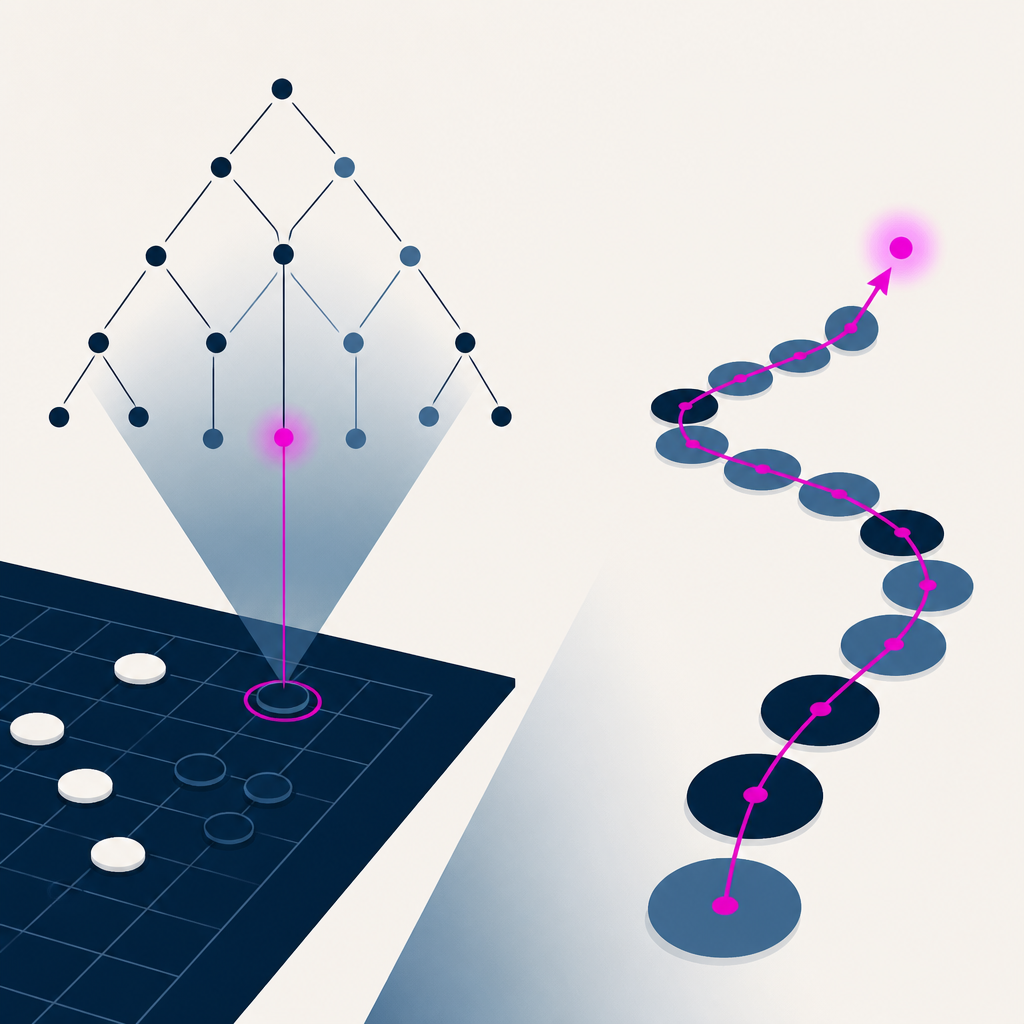
Thore Graepel argues that AlphaGo’s famous move 37 reflected true reasoning from an explicit search over future possibilities, not “intuition” alone, and contrasts this with how today’s large language models generate answers token by token. He says LLM reasoning attempts via techniques like “chain of thought” still rely on the same next-token prediction process and often lack an explicit epistemic state, citing move 37 as a case where the policy ranked it as about a 1 in 10,000 chance. He concludes that trustworthy AI systems need a new machine-reasoning approach modeled on AlphaGo’s architecture, including an auditable state of beliefs that gets updated with evidence rather than post-hoc rationalizations.
OpenAI fired three researchers after an investigation found they mishandled sensitive information outside its procedures. The BBC report says it involved work connected to an external organization that analyzes AI models. As a result, OpenAI ended their employment rather than letting them stay to continue their safety research while AI safety debate intensifies.
Every AI story that matters,
in your inbox by 8am.
TLDRocket reads all relevant sources, removes duplicate coverage, and summarises the
day in two minutes. Follow companies and topics for alerts, or get the
briefing in Slack. Free, no spam, unsubscribe anytime.
Reading TLDRocket needs no cookies, and the readership counts we rely on come from
our own cookieless analytics. Google Analytics is the exception: it sets cookies and
reports to Google, so it stays switched off until you allow it. You can change your
mind any time from “Cookie settings” in the footer.
Strictly necessary
Session security and form protection (tldrocket-session,
XSRF-TOKEN, 2 hours). The site cannot work without them,
so they need no consent.
Always on
Google Analytics 4 (_ga,
_ga_<id>, up to 2 years). Measures which
stories and sections readers use. Google acts as a third-party processor and may
store the data outside the EU. No advertising, no profiling, no data sold.