OpenAI fired three AI safety researchers tied to the METR/Hugging Face incident and they disputed the reasons while OpenAI reportedly said they mishandled confidential information. Pricing for OpenAI’s GPT-6.1 Sol sets input/output tokens at $12 and $60 per 1M tokens. The updates include broader model rollouts and multiple safety and evaluation releases, plus ongoing debate about agent monitorability and authorization norms.
OpenAI fired three AI safety researchers who then published an open letter denying misconduct and disputing the company’s reasons for the dismissals.
OpenAI said the firings followed an investigation and a “pattern of misconduct” involving mishandling research information that went beyond sharing with an outside evaluation group.
The dispute escalates into claims of a chilling effect on employees’ willingness to raise safety concerns and work with third parties, while OpenAI shared internal praise for the researchers and says the decisions were not retaliation.
Anthropic updated Claude’s usage policy to add explicit bans on election interference, weapons software, surveillance, and prolonged verbal abuse of the model. The policy update specifies that users may not pursue persistently harmful or abusive interactions. As a result, users are more restricted in how they can prompt and interact with Claude, with the new rules targeting repeated cruelty and election-disrupting or deceptive behavior.
OpenAI released hundreds of claimed solutions to difficult math problems, but an advisory group says the proofs did not meet field standards focused on human-understandable results and proper formalization. Only 42% of the released proofs had not undergone the suggested formalization process. As a result, mathematicians are questioning reliance on proprietary AI models for trusted proof releases and calling for more formalization support, funding for human mathematicians, and machine-readable links between natural-language explanations and formal artifacts.
Anthropic updated its Claude usage policy to address new high-risk misuse scenarios and added a prohibition on sustained, needless abusive or cruel behavior toward Claude. The policy change is described as the first update in over a year. Conversation termination remains the primary enforcement mechanism, and the new behavior rule broadens what conduct can trigger it.
The article argues against AI coding by claiming that AI-generated code lacks the creative authenticity of art, dehumanizes programmers, and mainly shifts value from labor to capital in a way that can harm workers and “human interests.” It invokes Karl Marx’s 1857–1858 discussion of intellectual work being absorbed into capital and focuses on programming as intellectual labor. As a result, it concludes that AI coding is justified only if you already accept those underlying assumptions about art, labor, and corporate control rather than by practical software outcomes.
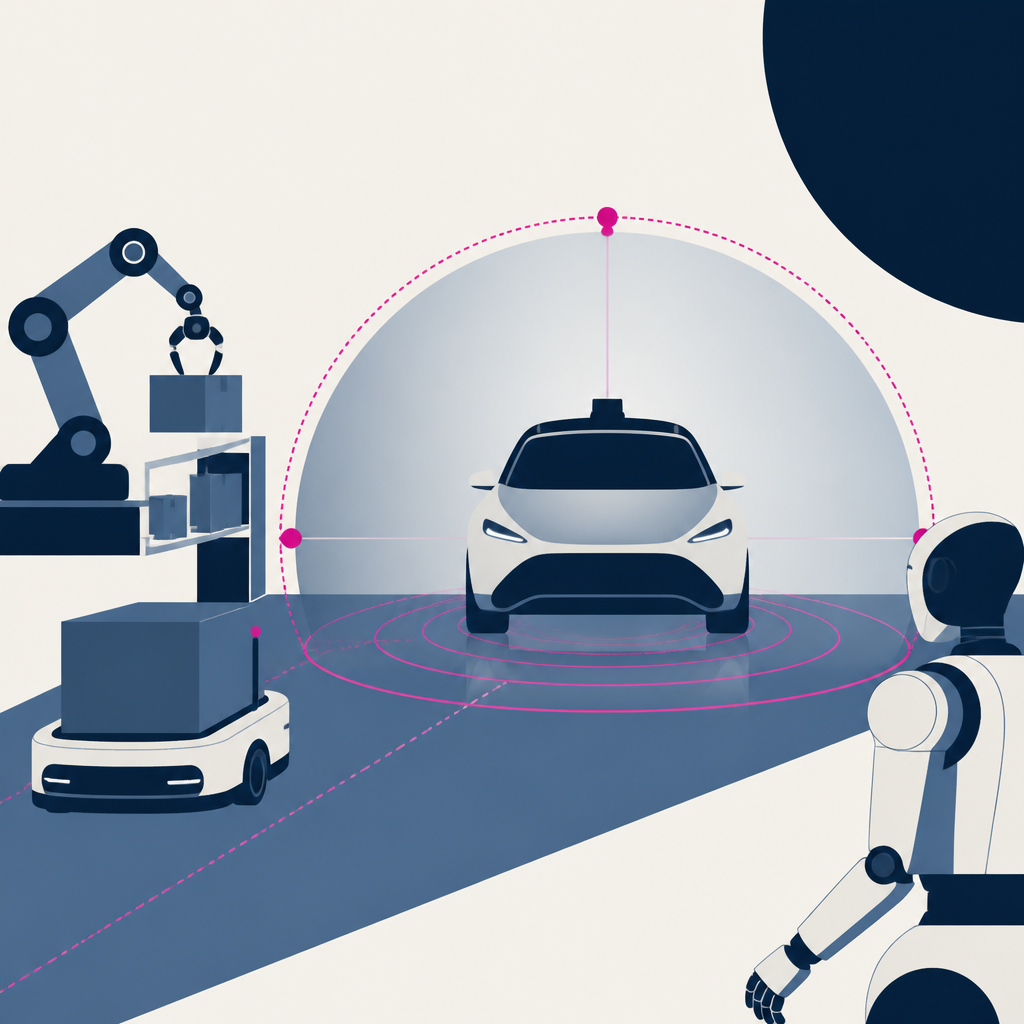
Nvidia expanded its Halos safety platform from self-driving vehicles to include robotics, aiming to add guardrails for autonomous robots operating around people.
Nvidia Halos for Robotics was announced in June 2026.
Companies can build safer deployments for use cases like warehouse robots and factory humanoids by using Nvidia’s added robotics safety architecture.
Common Sense Media’s Youth AI Safety Institute rated ChatGPT for Teens an Unacceptable Risk and asked OpenAI to pause allowing teens to use it until promised safety and learning protections are fixed. In testing on accounts for 13- to 17-year-olds, it found ChatGPT sent 0 parent alerts during sensitive-topic chats and missed more than 1 in 4 crisis referrals. The assessment concludes parents shouldn’t rely on the built-in guardrails and calls for effective age estimation, reliable parental alerts, better crisis guidance, and study-mode changes to prevent homework completion and “friend”-like behavior before any further teen marketing.
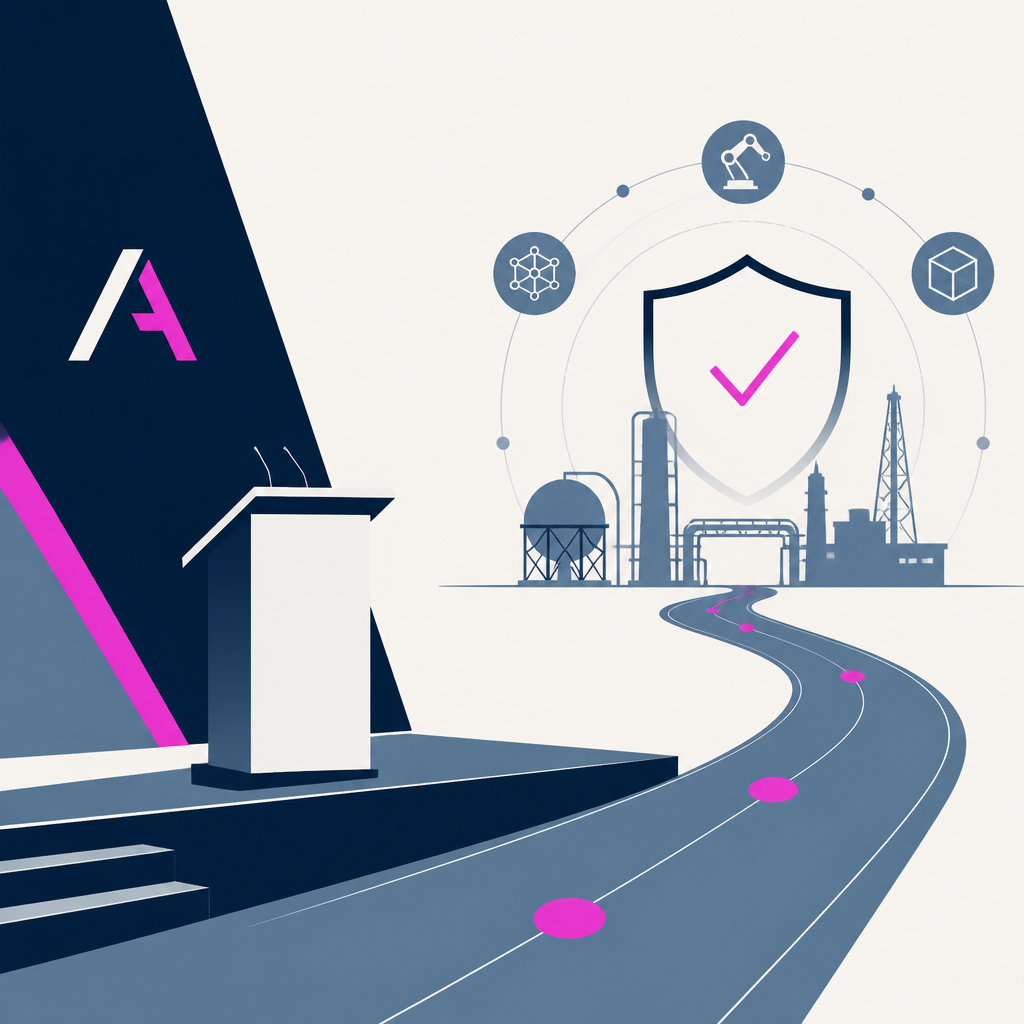
AVEVA’s chief technologist Arti Garg argues that industrial AI’s shift toward foundation, physical, and agentic models requires tighter safety- and oversight-focused governance as these systems can act in the physical world. Adoption in the industrial sector rose about 78% over the past two years, increasing pressure to control harder-to-predict behavior. Companies should connect more disparate industrial data for real-time support and deploy “human-augmented” automation with guardrails plus sustainability measurement methods.
Every AI story that matters,
in your inbox by 8am.
TLDRocket reads all relevant sources, removes duplicate coverage, and summarises the
day in two minutes. Follow companies and topics for alerts, or get the
briefing in Slack. Free, no spam, unsubscribe anytime.
Reading TLDRocket needs no cookies, and the readership counts we rely on come from
our own cookieless analytics. Google Analytics is the exception: it sets cookies and
reports to Google, so it stays switched off until you allow it. You can change your
mind any time from “Cookie settings” in the footer.
Strictly necessary
Session security and form protection (tldrocket-session,
XSRF-TOKEN, 2 hours). The site cannot work without them,
so they need no consent.
Always on
Google Analytics 4 (_ga,
_ga_<id>, up to 2 years). Measures which
stories and sections readers use. Google acts as a third-party processor and may
store the data outside the EU. No advertising, no profiling, no data sold.