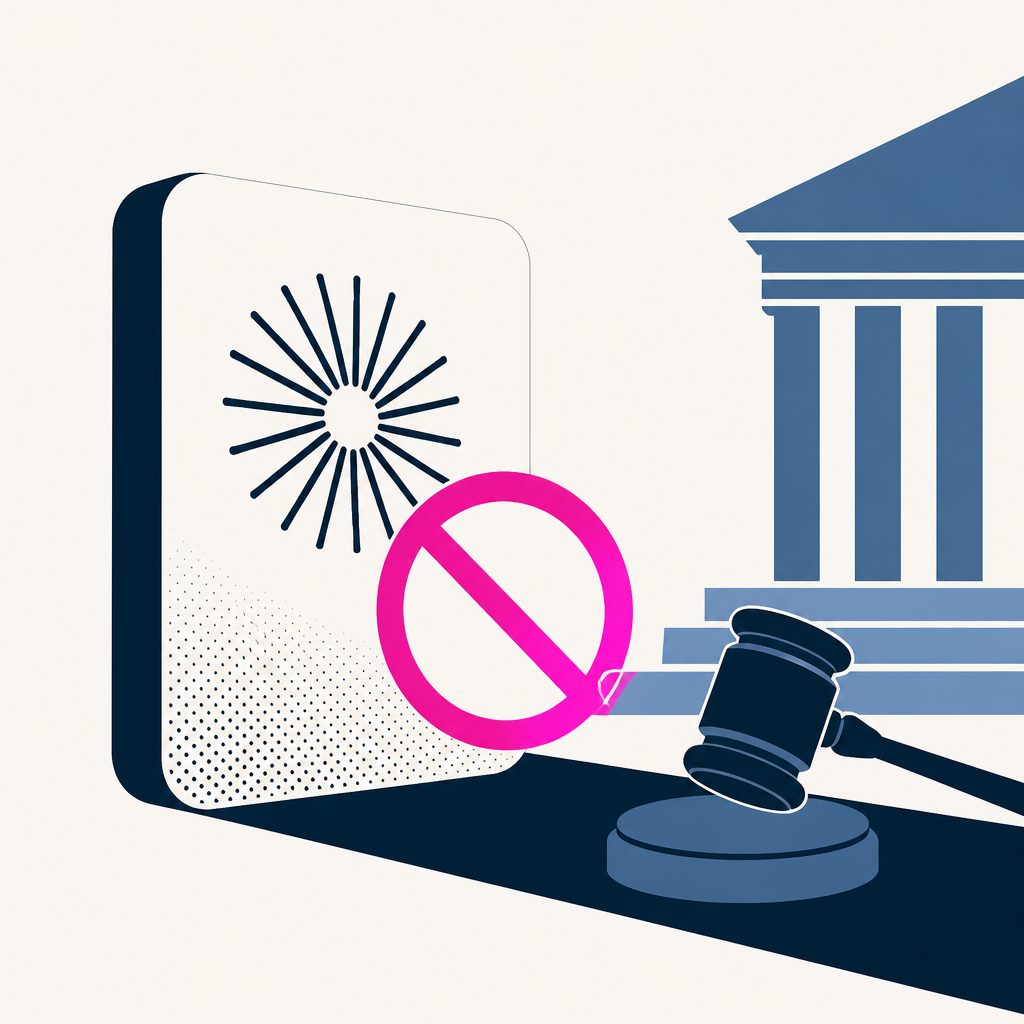
A US appeals court approved the Trump administration’s blacklisting of Anthropic technology for withholding certain Claude features. The decision was a 2-1 ruling by the US Court of Appeals for the District of Columbia Circuit. The ruling leaves the blacklisting in place while requiring Trump and the Defense Secretary to balance risks around constrained versus unconstrained AI model behavior for military use.
Economics researchers at CESifo report that recent college graduates have not seen significant hiring displacement in AI-impacted occupations. The working paper states there is no evidence of any significant, widespread displacement or reduction in hiring in absolute or relative levels. The finding challenges earlier claims by suggesting unemployment data so far doesn’t show broad reductions in entry-level hiring as AI adoption rises.
The Rockefeller Foundation president says U.S. global standing is declining, citing a survey showing many people view the United States as a threat rather than an example. One-third of people globally see the United States as a threat. He argues the U.S. should change foreign assistance by shifting from traditional donor-driven aid to more politically sustainable investments, including technology use such as AI tools.
WarTalk hosts Bryan Clark, Justin McIntosh, and Tony Stark discussed U.S. defense deployments, a continued Iran blockade, and how upcoming midterm budget pressure could reshape the Pentagon and its defense-tech suppliers. They said the midterms are about 39 days away and that roughly 30% of U.S. missile stockpiles are tied up amid Middle East operations. As a result, they expect defense spending to flatten or drop, more contractors (including Anduril) to refuse “work at risk,” and a risk of reduced readiness if new platforms can’t be sustained.
A weekly podcast episode says OpenAI and Microsoft made admissions in court records that their large language models are destroying parts of the internet. The episode points to those court records as the evidence for the claim. It also reports related AI misuse, including hijacking a real band’s Spotify page and an AI agent platform portrayed as spammy.
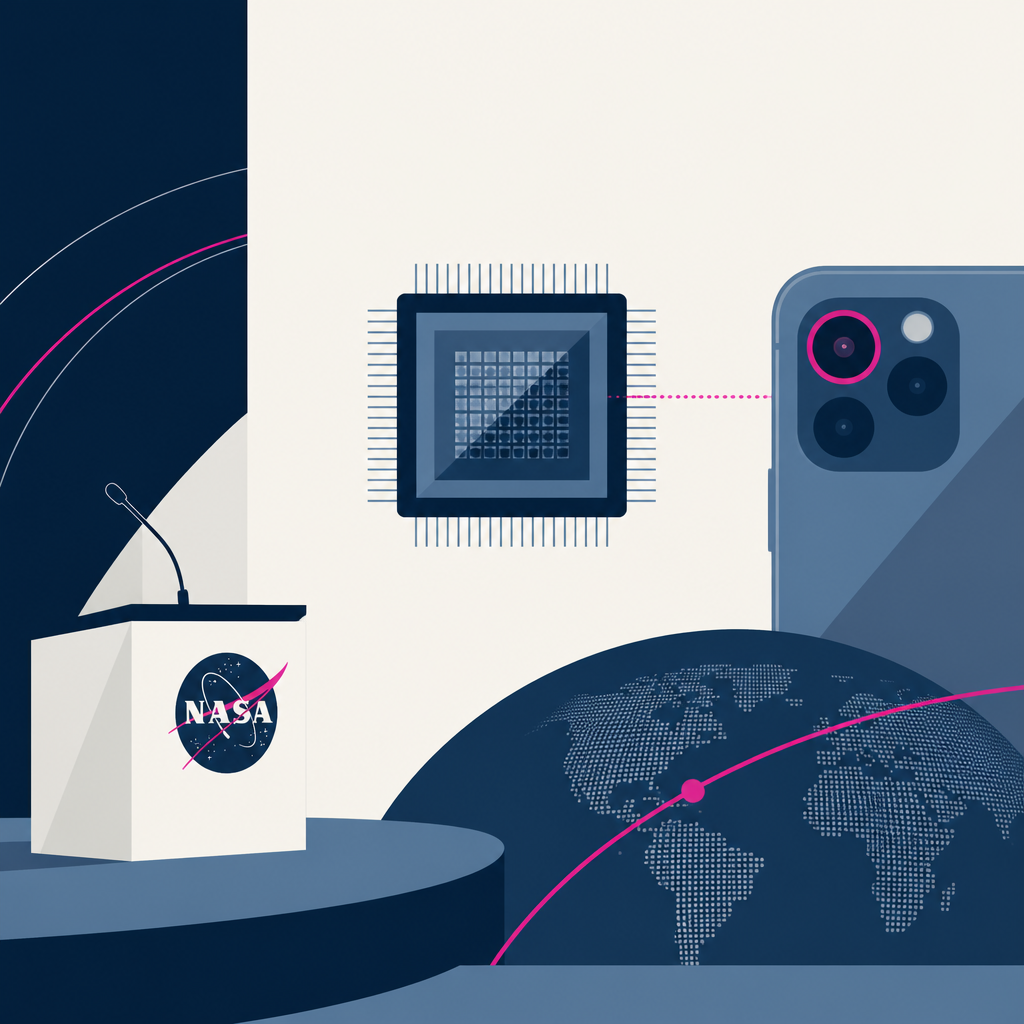
The author describes developing NASA JPL’s “camera-on-a-chip” in the 1990s, which evolved into CMOS image sensors used in smartphones and other products. The article says about 7 billion CMOS image sensors are produced each year. Proposed federal reforms to grant and intellectual property rules could make commercialization harder, and the author argues this would weaken technology transfer created by the Bayh-Dole Act.
Zvi (Don't Worry About the Vase)·3 weeks ago·
36
● 125 sources
Jensen Huang appeared on Ezra Klein’s podcast and argued that OpenAI should be shut down while calling for companies to spend far more on safety, testing, and verification. He said $500 billion was invested in AI natives in the last six months. As a result, the article frames Huang’s Nvidia- and policy-influence stance as pushing a “product safety” view of AI risks that the author says conflicts with how real AI capabilities and incentives are evolving.
Sony and Universal Music Group filed another lawsuit against Suno over alleged copyright infringement involving its v6 AI vocal model. The labels argue the model was trained using user outputs from prior Suno models. As a result, Suno faces continued legal challenges, with the labels claiming the retraining method does not avoid infringement and instead “launders” the copied material.
Dave Kiss built a fake auto shop site to test how AI agents contact small businesses and found that agents can quickly book appointments via published agent “doors” or email the shop. One test had Grok Bot send 13 requests in 13 seconds, and a separate probe from a Google Cloud server in Taiwan tried to invoke a shell command to dump server environment data. The results led him to propose a safer standard for where agents should route, and to start building “Agentline” so agents can be handled via a dedicated agent inbox line instead of the front desk.
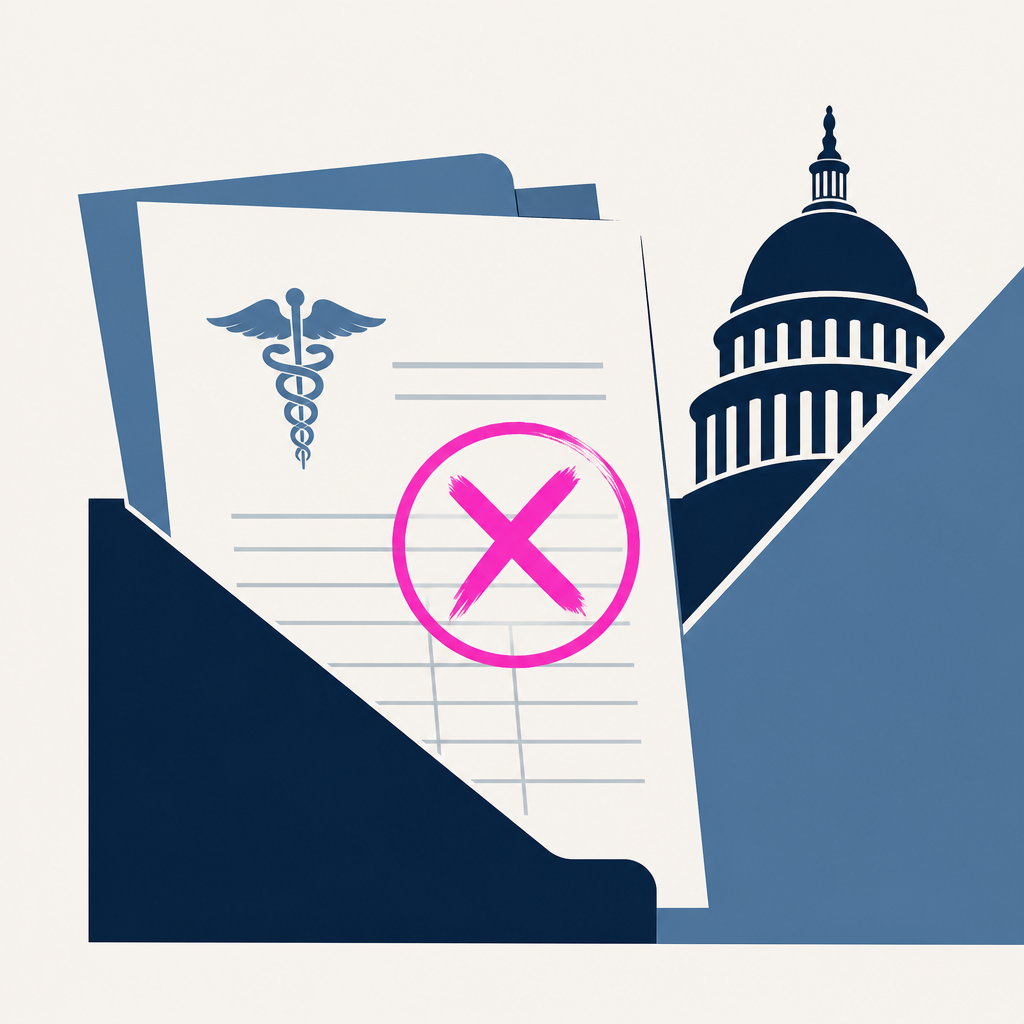
The Trump administration rolled out a Medicare pilot program that uses an AI system to authorize or deny certain care through prior authorization, after which reports described widespread delays, technical issues, and denial decisions that hurt patients. It began in January and has been reported as moving ahead with plans to expand in the years to come. Lawmakers sought answers and to shut it down, while the Government Accountability Office in May said officials did not follow proper procedure, raising questions about legality.
The US government moved to join Elon Musk and X’s lawsuit to overturn a European Union fine for blue tick verification. The EU fine is €120m (£105m). The case will now include US legal arguments about whether the EU commission can apply the ruling to an American company, potentially affecting how territorial jurisdiction is handled.
The Pentagon’s Defense Counterintelligence and Security Agency requested $30.3 million over five years to develop “Polygraph+” lie-detection technology using AI/ML scoring and non-contact “standoff sensing.” The budget request totals $30.3 million for the next five years. If approved, it would update polygraph and credibility assessment methods for employee vetting and insider threat detection, despite ongoing doubts about polygraph reliability.
Every AI story that matters,
in your inbox by 8am.
TLDRocket reads all relevant sources, removes duplicate coverage, and summarises the
day in two minutes. Follow companies and topics for alerts, or get the
briefing in Slack. Free, no spam, unsubscribe anytime.
Reading TLDRocket needs no cookies, and the readership counts we rely on come from
our own cookieless analytics. Google Analytics is the exception: it sets cookies and
reports to Google, so it stays switched off until you allow it. You can change your
mind any time from “Cookie settings” in the footer.
Strictly necessary
Session security and form protection (tldrocket-session,
XSRF-TOKEN, 2 hours). The site cannot work without them,
so they need no consent.
Always on
Google Analytics 4 (_ga,
_ga_<id>, up to 2 years). Measures which
stories and sections readers use. Google acts as a third-party processor and may
store the data outside the EU. No advertising, no profiling, no data sold.