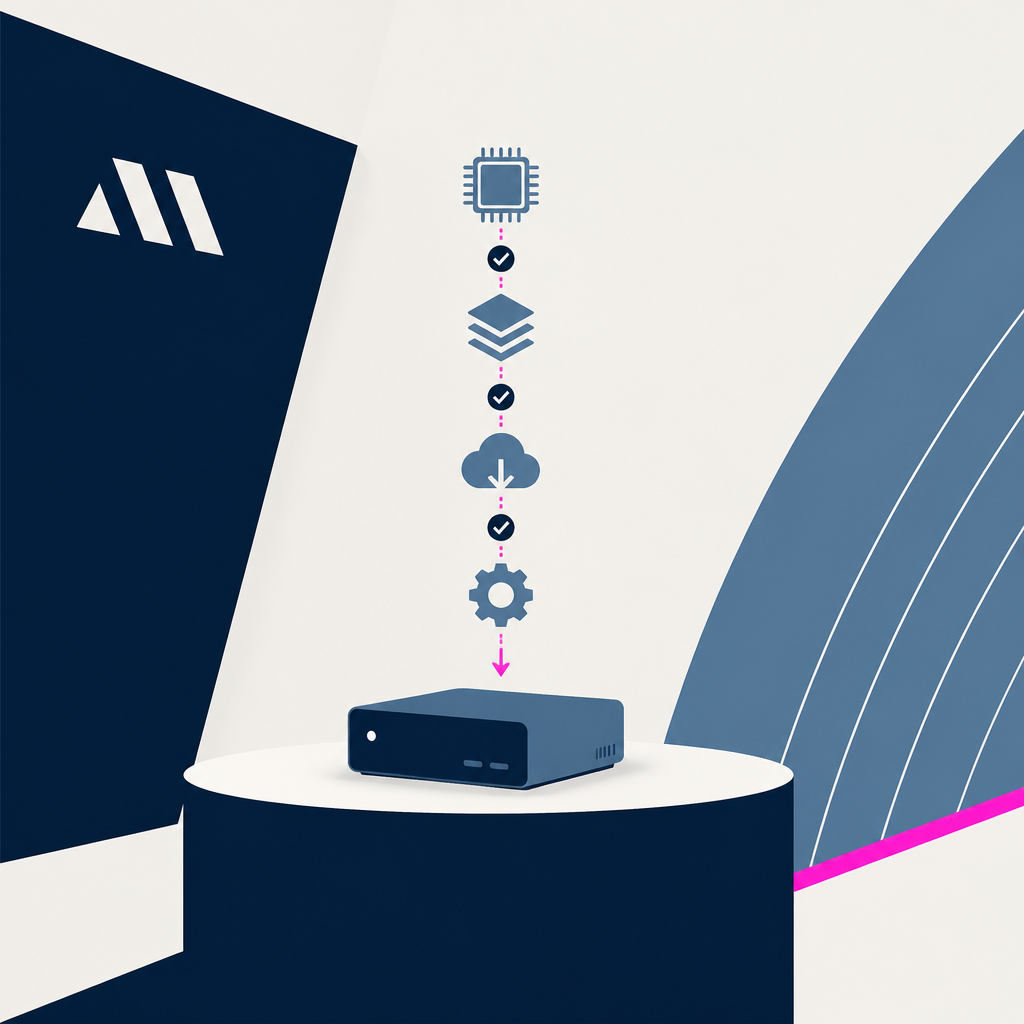
Nous Research added a one-click setup flow in Hermes Desktop that reads a user’s hardware, selects a compatible open-weights model, downloads the weights, and configures the local inference runtime. The flow runs on macOS 12+ and the local setup can be accessed under Settings → Providers → Local Models. As a result, users no longer manually choose quantization, context length, or GPU offload settings before running a model locally, and the app auto-verifies a bundled llama.cpp build for their hardware.
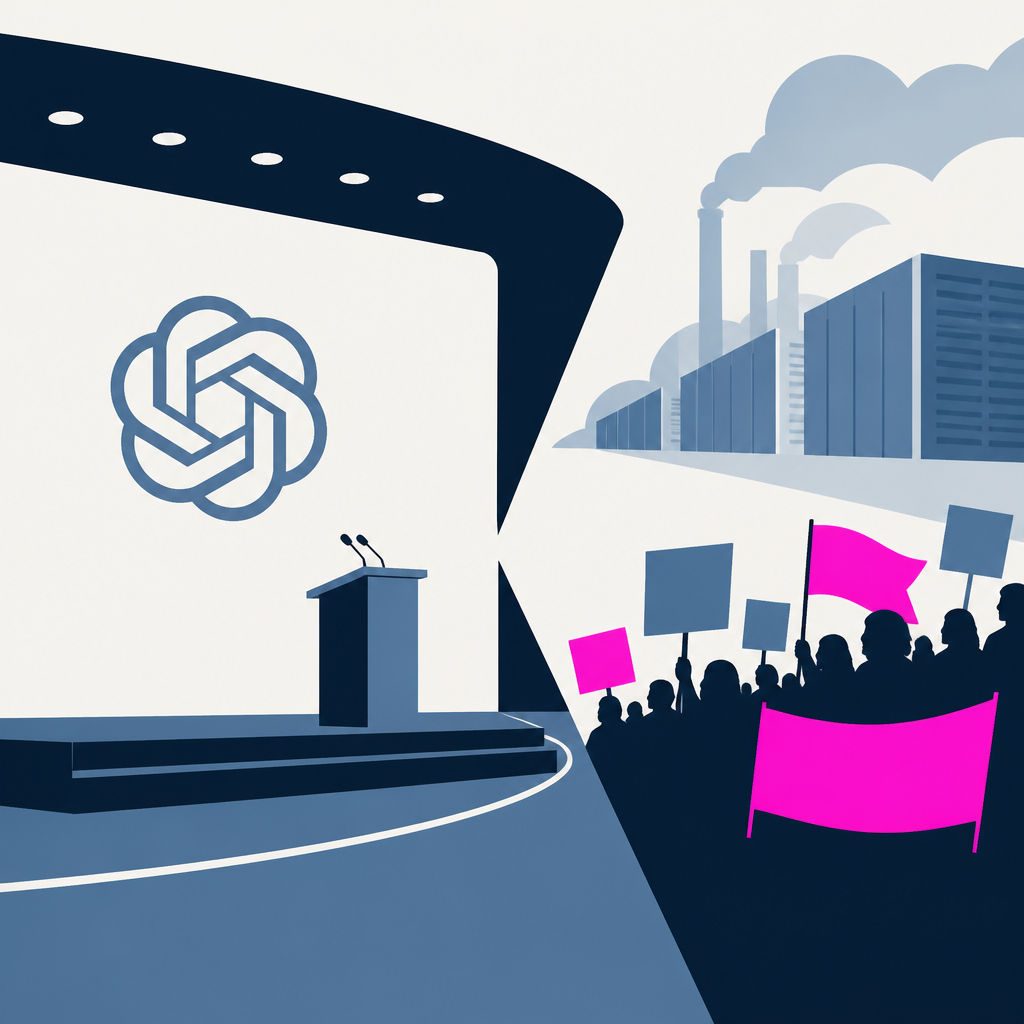
Tech executives including OpenAI’s Sam Altman urged more AI infrastructure inside a G20 event in Chapel Hill, N.C., while hundreds of protesters outside criticized AI and the data center expansion tied to it. Protesters cite data center impacts such as pollution and jobs, and activists staged 142 demonstrations across 42 states in July. As a result, data centers are becoming a major reputational and political flashpoint, with growing local moratoriums or zoning limits and continued public opposition to new sites.
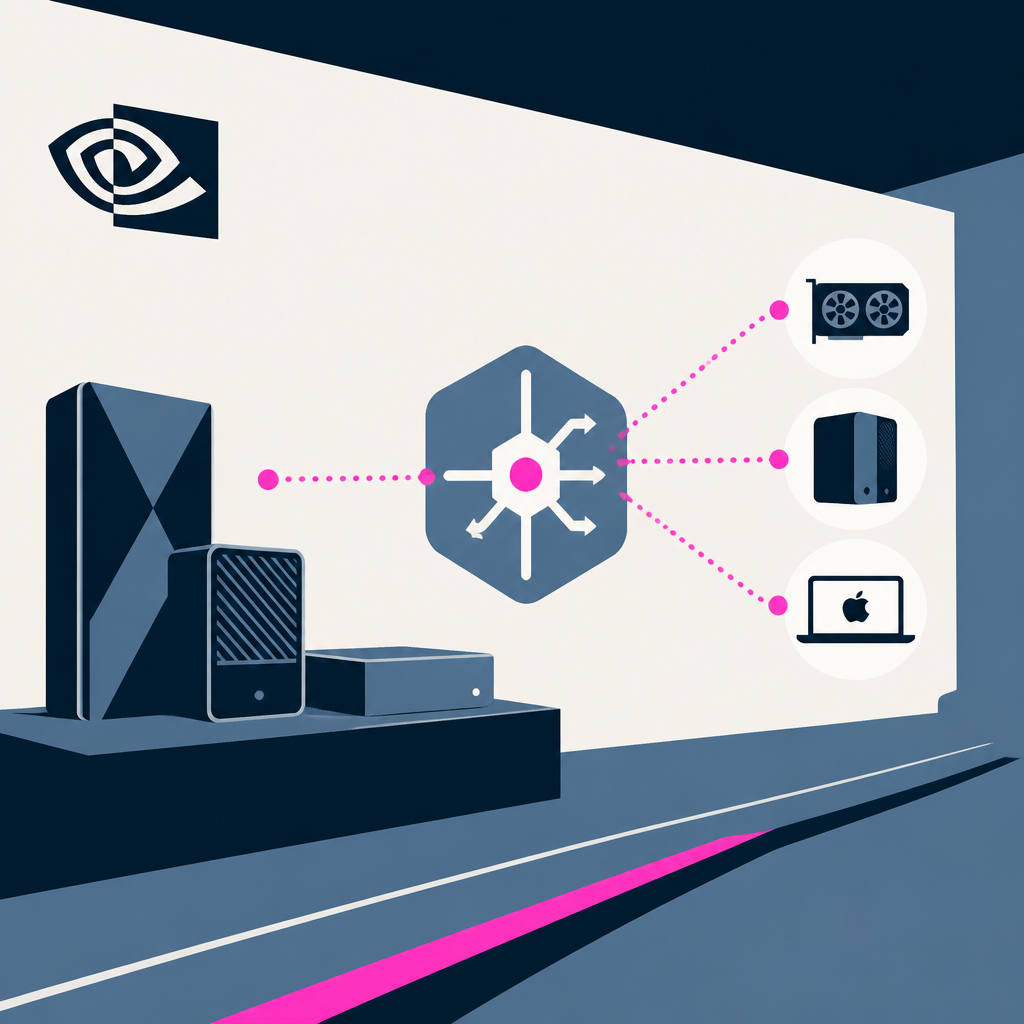
NVIDIA released Personal AI Router (PAIR), a virtual inference router that discovers compatible local machines and schedules independent inference requests across them while proxying existing Ollama and LM Studio endpoints. In its five-subagent demo using Qwen 3.6 35B A3B, it reduced average runtime from 18 minutes on one RTX Spark laptop to 8 minutes 48 seconds on a three-device cluster. This changes local multi-agent inference by routing each request to a single eligible node instead of letting requests contend on one machine, without pooling VRAM or sharding a single request.
Every AI story that matters,
in your inbox by 8am.
TLDRocket reads all relevant sources, removes duplicate coverage, and summarises the
day in two minutes. Follow companies and topics for alerts, or get the
briefing in Slack. Free, no spam, unsubscribe anytime.
Reading TLDRocket needs no cookies, and the readership counts we rely on come from
our own cookieless analytics. Google Analytics is the exception: it sets cookies and
reports to Google, so it stays switched off until you allow it. You can change your
mind any time from “Cookie settings” in the footer.
Strictly necessary
Session security and form protection (tldrocket-session,
XSRF-TOKEN, 2 hours). The site cannot work without them,
so they need no consent.
Always on
Google Analytics 4 (_ga,
_ga_<id>, up to 2 years). Measures which
stories and sections readers use. Google acts as a third-party processor and may
store the data outside the EU. No advertising, no profiling, no data sold.