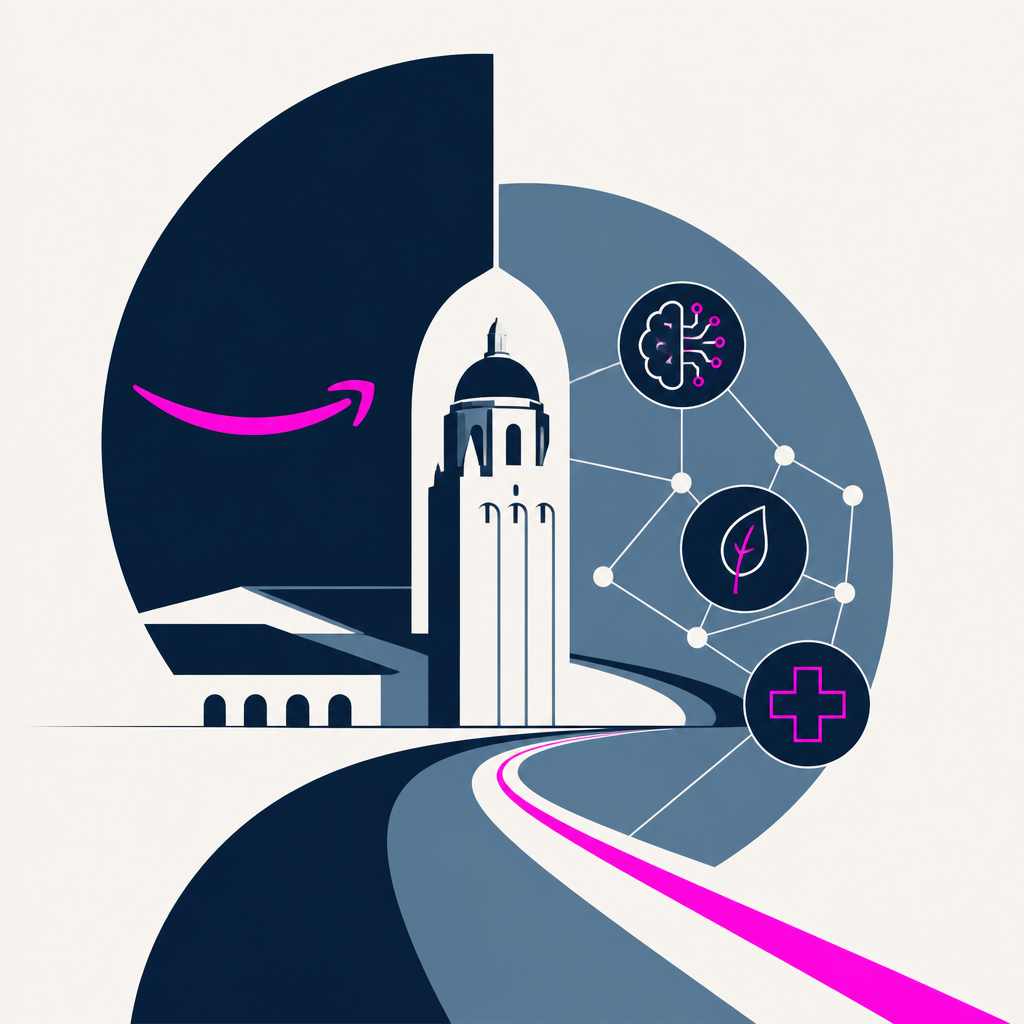
Amazon launched the Stanford and Amazon Research Initiative with Stanford University to advance frontier research in AI, energy, and healthcare. The program formalizes more than 10 teams funding active research and PhD fellowships at Stanford. This expands joint Stanford–Amazon projects, adds new PhD fellowships, and supports symposia and workshops to shorten the path from breakthroughs to real-world solutions.
Oura launched its initial public offering on the Nasdaq, offering 50 million shares from both the company and existing shareholders. The deal is sized at up to $2.2 billion with a $40 to $44 price range, and Forerunner Ventures is selling its full 9.3% stake of about 28.7 million shares. The IPO will raise capital while also being used to cover about $526.4 million of listing-related tax obligations, leaving the company’s cash largely unchanged.
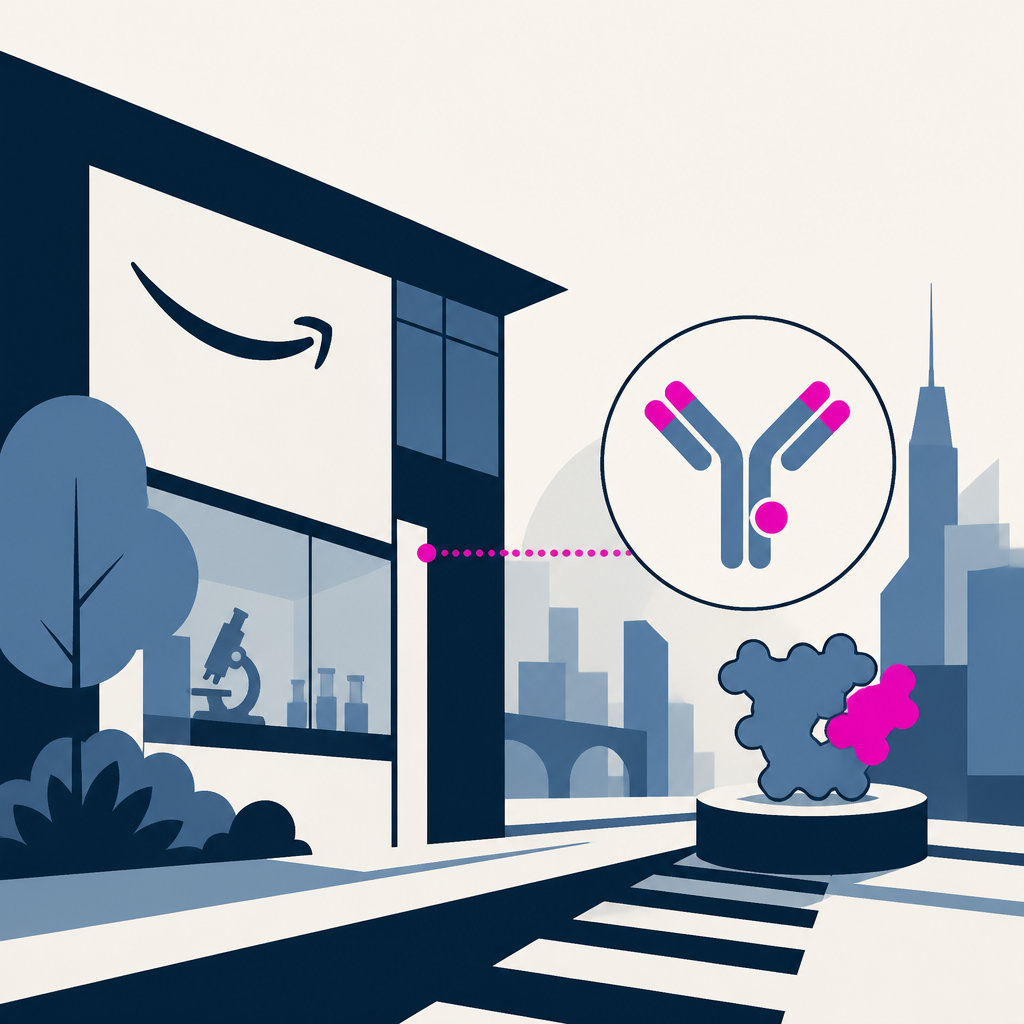
Amazon Bio Discovery’s research team published three papers introducing AI methods to better predict binding and developability properties and to design antibodies or nanobodies for experimentally validated candidates. MochiBind scored 200,000 antibody pairs in roughly 13 seconds on a CPU, reporting more than a 100-fold inference speedup over competing methods. The work shifts antibody evaluation toward cross-antigen relative binding and batch-effect-aware context prediction, and it combines an epitope hotspot agent with de novo generative design to produce lab-validated hits against a novel cancer target.
US Customs and Border Protection’s AI-enabled surveillance towers failed to trigger timely intervention before José Morales Bernal died in New Mexico, even though he was reportedly within range of nearby towers before his body was found. Nearly 4,000 locations were cross-referenced to identify more than 1,050 deaths within tower range between 2015 and early 2026. The reporting calls for oversight and changes to the tower program, citing continued spending despite repeated detection-and-response failures.
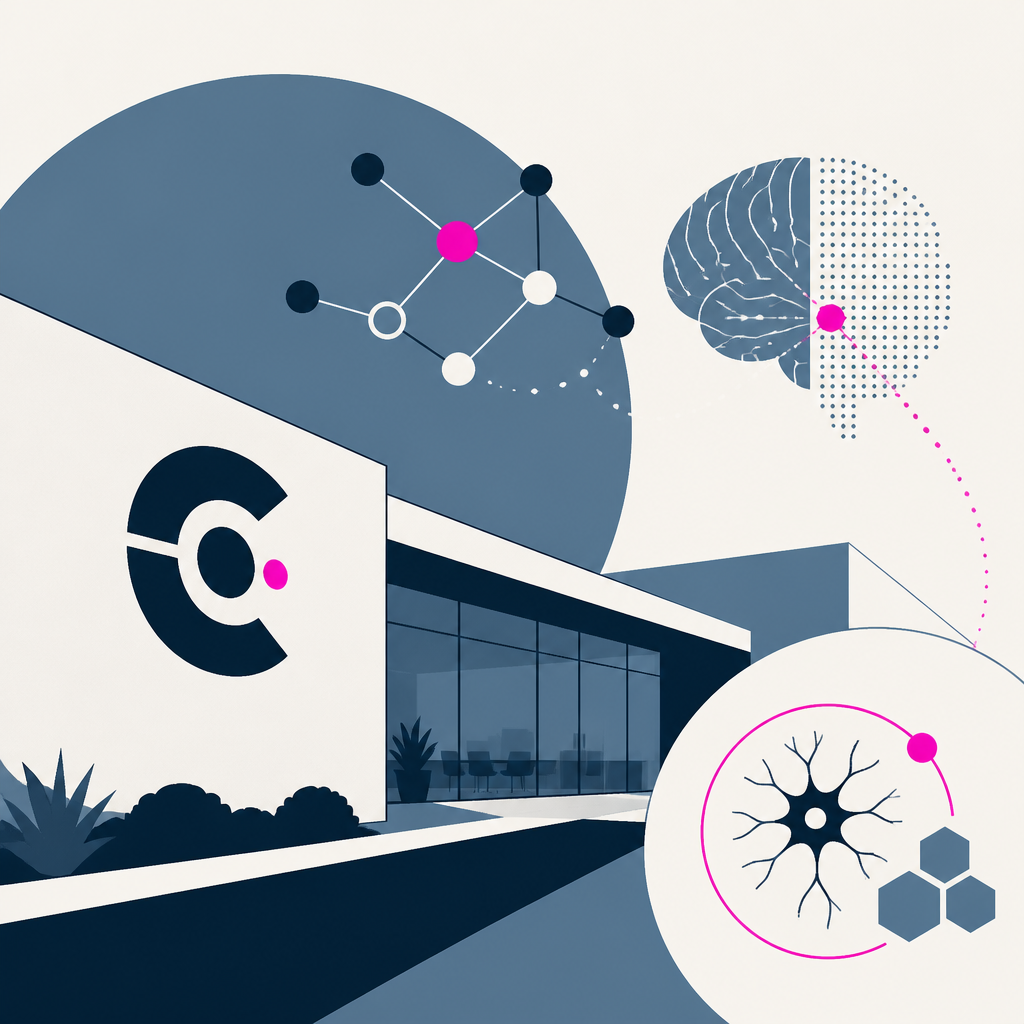
Cellular Intelligence added Moderna co-founder Bob Langer and AI researcher Yann LeCun to its scientific advisory board and Langer also joined as an observer on its board to guide AI-driven cell-behavior modeling for drug development. The company acquired global rights to STEM-PD, a Phase 2-ready Parkinson’s cell therapy with FDA Fast Track designation. As a result, Cellular Intelligence will continue advancing STEM-PD while plans to license its models for paid drug-discovery work and develop additional medicines using its AI foundation model and new biological data engine.
Project Ventures launched a debut £5 million early-stage venture fund for deeptech and AI startups in the Imperial College London ecosystem. It plans investments of £100,000 to £300,000 per company and has already made 3 investments. The fund will back pre-seed and seed firms in areas like robotics, healthcare, climate, energy, and advanced manufacturing as it targets closing by summer 2027.
Every AI story that matters,
in your inbox by 8am.
TLDRocket reads all relevant sources, removes duplicate coverage, and summarises the
day in two minutes. Follow companies and topics for alerts, or get the
briefing in Slack. Free, no spam, unsubscribe anytime.
Reading TLDRocket needs no cookies, and the readership counts we rely on come from
our own cookieless analytics. Google Analytics is the exception: it sets cookies and
reports to Google, so it stays switched off until you allow it. You can change your
mind any time from “Cookie settings” in the footer.
Strictly necessary
Session security and form protection (tldrocket-session,
XSRF-TOKEN, 2 hours). The site cannot work without them,
so they need no consent.
Always on
Google Analytics 4 (_ga,
_ga_<id>, up to 2 years). Measures which
stories and sections readers use. Google acts as a third-party processor and may
store the data outside the EU. No advertising, no profiling, no data sold.