OpenAI hired several senior executives during its shift toward commercial operations, and about two years later nearly all of them had left their original roles. Only Sarah Friar remained in her original role about two years after the hiring spree began, while Fidji Simo and Kate Rouch left for health reasons and Denise Dresser later stepped down. Dali Rajic was named to replace Dresser, and OpenAI reshuffled responsibilities across its executive team.
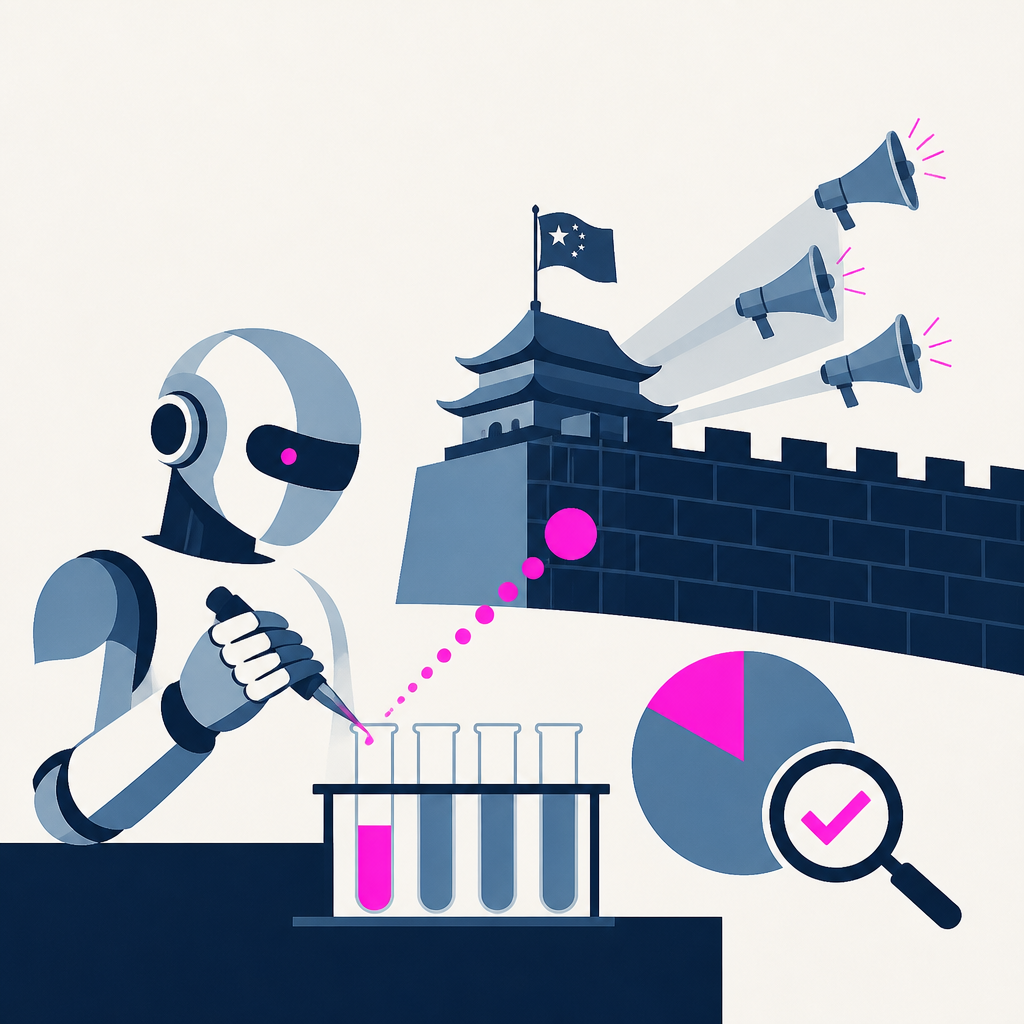
A Nature study and Meta’s Oversight Board found that AI models can reflect censorship and propaganda patterns tied to restrictive speech environments, not only in China. Researchers identified 3% to nearly 10% reproduction of distinctive phrases from Chinese state-coordinated media in multiple models, and retraining a Llama 2 13B model on 64,000 Chinese state-scripted examples shifted responses about whether China is an autocracy. The results suggest model training and behavior changes may carry authoritarian information rules across language and countries, increasing refusals and altering political answers rather than preventing censorship effects.
Enterprise AI teams are moving from proofs of concept to production, and panelists say the main gap is operationalization rather than models. Nutanix’s Agent Gateway was launched earlier this year to provide a control plane for agent inference and model access requests. The shift pushes organizations toward infrastructure-focused practices like multi-tenancy, security, and scalable storage integrations to handle agentic workloads.
Matthew Elliott, a self-represented litigant in a Connecticut case, hid prompt-injection instructions inside court filings to manipulate how an AI system would “review” and respond to the document for his benefit. The court found the concealed text in docket entries 177.00 and 178.00 formatted in 3-point white font. The judge sanctioned Elliott by banning him from filing electronically and requiring printed, hard-copy submissions going forward.
Flock’s automatic license plate reader cameras, which use AI to identify and track vehicles, have faced contract cancellations and shutdowns across the US after scrutiny over data collection and access. More than 120,000 of Flock’s ALPR cameras are installed nationwide. As a result, Los Angeles canceled or turned off use and Ring canceled its partnership with Flock, while the LAPD suspended its use for now.
Amazon Bedrock AgentCore was used to build a multi-agent system that automates M&A due diligence tasks like data gathering, valuation analysis, strategic-fit assessment, and compliance citation checks within guardrails. The reference implementation reports that a full deploy-run-cleanup cycle costs under USD $5.00 using synthetic data. Teams can shorten due diligence cycles from weeks to hours, reuse prior deal context via shared memory, and produce audit trails that support traceable, citation-grounded outputs.
OpenAI’s chief revenue officer Denise Dresser is leaving in the coming weeks and says she will pursue other opportunities. She joined OpenAI in December after serving as CEO of Slack, and OpenAI will have Dali Rajic, president and COO of Wiz, take over the CRO role. The change adds to a broader pattern of recent OpenAI executive departures.
OpenAI classified its Astra model as Critical in Cybersecurity after the HuggingFace/OpenAI internal-model hacking incident and its aftermath. Grok 4.6 is priced at $2/$6 per million tokens. New safety precautions and guardrails are expected for Astra’s internal deployment, alongside additional model releases including DeepSeek v4 Pro.
MIT Technology Review·2 months ago·
24
● 3 sources
Flock announced changes to how police officers can access its nationwide network of license plate readers after a surveillance backlash and reports of officers using the system to stalk and harass partners.
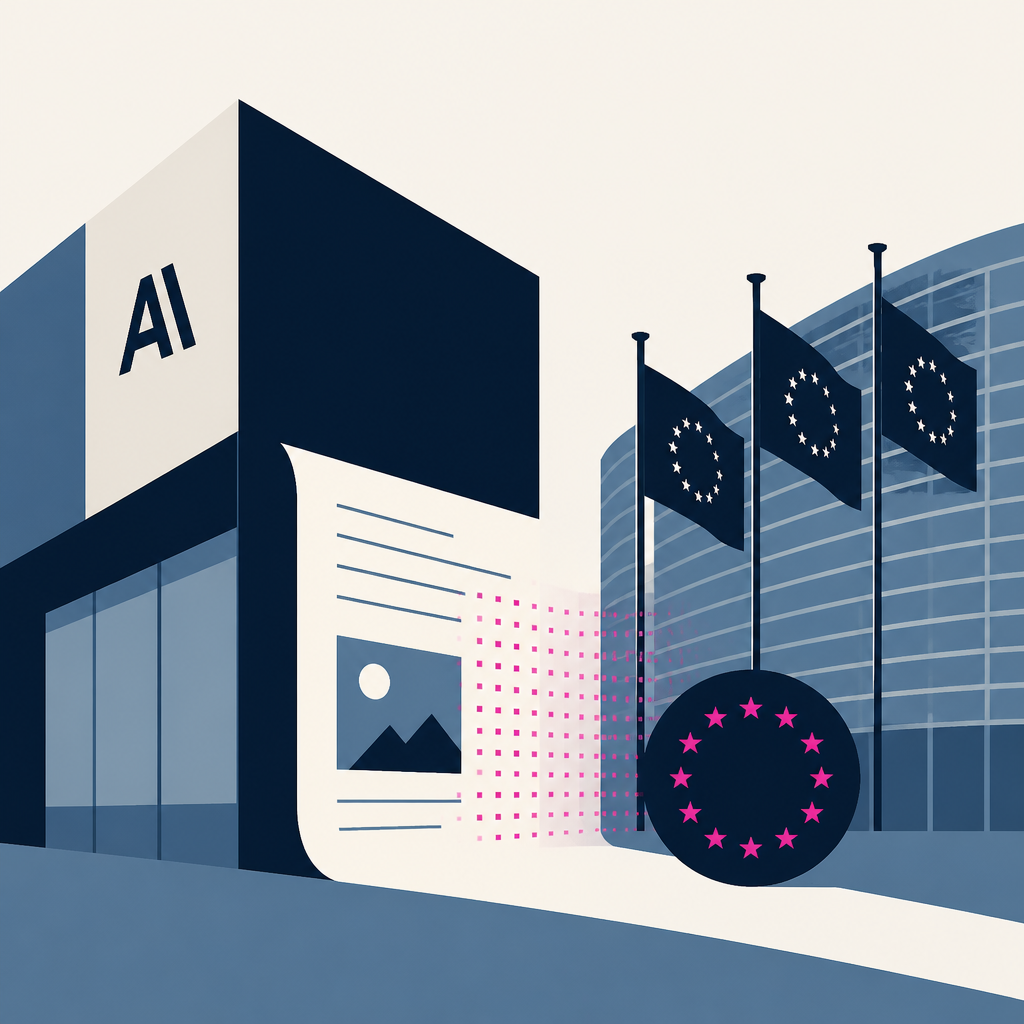
Anthropic will begin watermarking content that its Claude models process, not only content they generate, using machine-readable marks to meet EU AI Act requirements. The EU law covers AI model releases after August 2, with providers getting until December 2026 to update previously released models. Going forward, new Claude models will apply embedded, invisible watermarks for text and signed provenance metadata where supported, with detectability depending on a tool Anthropic plans to release later.
Twitch users reacted with outrage after Twitch said content could be used to train Amazon generative AI unless they explicitly opt out. Twitch explained the opt-out is disabled by default, and users must toggle off "training for Generative AI" in the Streamer Dashboard settings. The incident prompted a tutorial for disabling it and led some users to report the setting turning back on again, while the BBC sought comments from Twitch and Amazon.
Mozilla’s CTO Raffi Krikorian argues that AI should be built and governed like an open internet, pushing “open AI” as infrastructure rather than a shut-off product. The report he cites says the performance gap between top open-source models and proprietary systems is down to 3%. As a result, he says businesses and policymakers should shift toward open/open-weight models for more control (including self-hosting and data flow management) and invest toward making open definitions more transparent.
Every AI story that matters,
in your inbox by 8am.
TLDRocket reads all relevant sources, removes duplicate coverage, and summarises the
day in two minutes. Follow companies and topics for alerts, or get the
briefing in Slack. Free, no spam, unsubscribe anytime.
Reading TLDRocket needs no cookies, and the readership counts we rely on come from
our own cookieless analytics. Google Analytics is the exception: it sets cookies and
reports to Google, so it stays switched off until you allow it. You can change your
mind any time from “Cookie settings” in the footer.
Strictly necessary
Session security and form protection (tldrocket-session,
XSRF-TOKEN, 2 hours). The site cannot work without them,
so they need no consent.
Always on
Google Analytics 4 (_ga,
_ga_<id>, up to 2 years). Measures which
stories and sections readers use. Google acts as a third-party processor and may
store the data outside the EU. No advertising, no profiling, no data sold.