theCUBE will livestream the AI Data Pipeline Forum during the OCP Global Summit in San Jose and host executives to discuss system-level AI infrastructure bottlenecks in data movement, storage, memory, networking, and modular rack power/cooling. The coverage is scheduled for Oct. 13. The agenda shifts attention from optimizing individual components to coordinating entire AI systems, with open standards and modular designs presented as ways to reduce new infrastructure bottlenecks.
Firmus pulled its Sydney IPO after investors pushed back on the offer, canceling the listing one day after order books closed. The company had targeted a roughly $30 billion valuation, which equated to about 600 times its $51 million 2026 fiscal-year revenue. Firmus called off the IPO and plans a $2 billion to $3 billion private funding round, with a potential Nasdaq listing next year.
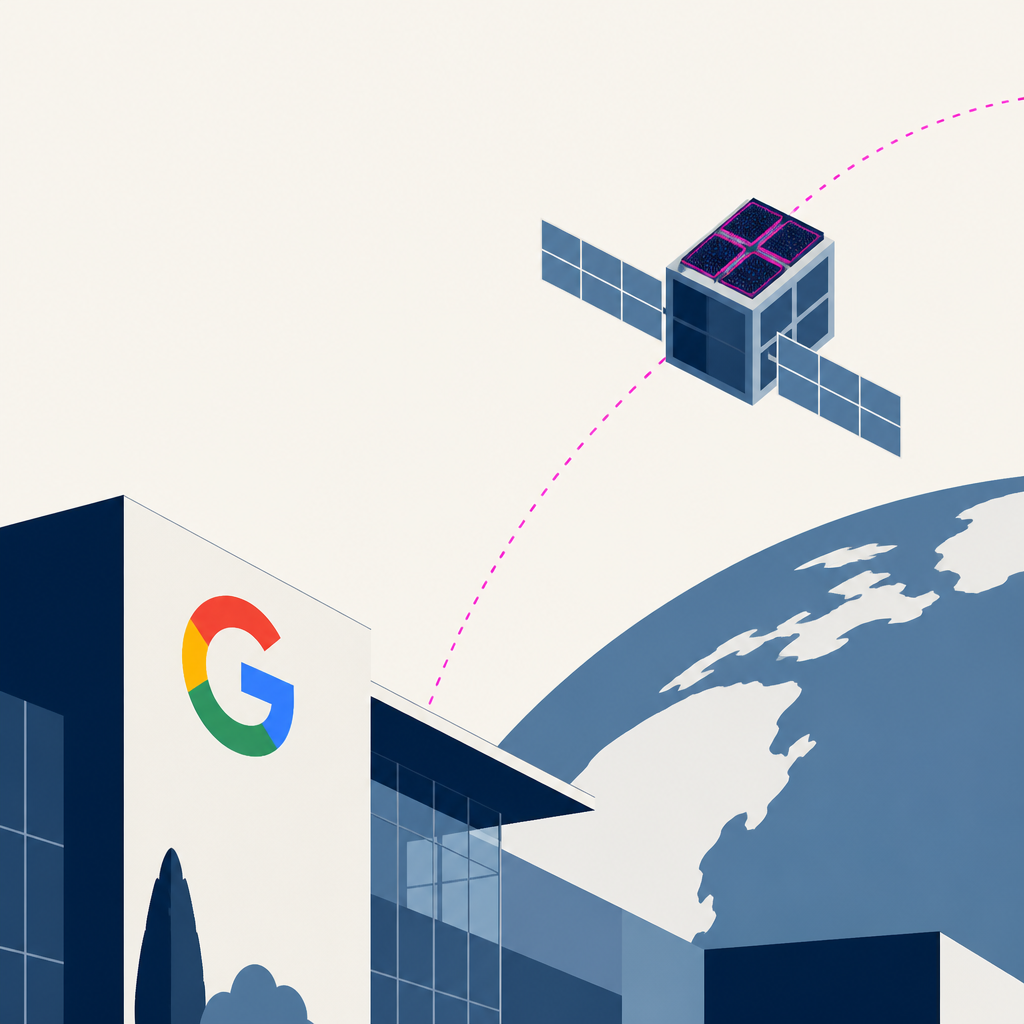
Google’s Project Suncatcher launched a refrigerator-sized satellite carrying 4 AI chips into orbit to test whether its TPU-based hardware can survive launch, radiation, and thermal conditions in space. The satellite lifted off on Oct. 1 and is expected to run experiments in low Earth orbit for about a year. Google will limit chip operation to 15-minute bursts to manage overheating while it gathers data, and plans two more laser-communication satellite launches in 2027.
Elon Musk said SpaceX’s Grok Bot would route requests to the best back-end model for each task, rather than sticking with a single model. Claude Opus 5.5 is specifically named as one option in that routing plan, along with MidJourney and Suno. The change reflects a shift toward “model triage” and switching policies to control AI costs, alongside the need for testing before swaps.
Every AI story that matters,
in your inbox by 8am.
TLDRocket reads all relevant sources, removes duplicate coverage, and summarises the
day in two minutes. Follow companies and topics for alerts, or get the
briefing in Slack. Free, no spam, unsubscribe anytime.
Reading TLDRocket needs no cookies, and the readership counts we rely on come from
our own cookieless analytics. Google Analytics is the exception: it sets cookies and
reports to Google, so it stays switched off until you allow it. You can change your
mind any time from “Cookie settings” in the footer.
Strictly necessary
Session security and form protection (tldrocket-session,
XSRF-TOKEN, 2 hours). The site cannot work without them,
so they need no consent.
Always on
Google Analytics 4 (_ga,
_ga_<id>, up to 2 years). Measures which
stories and sections readers use. Google acts as a third-party processor and may
store the data outside the EU. No advertising, no profiling, no data sold.