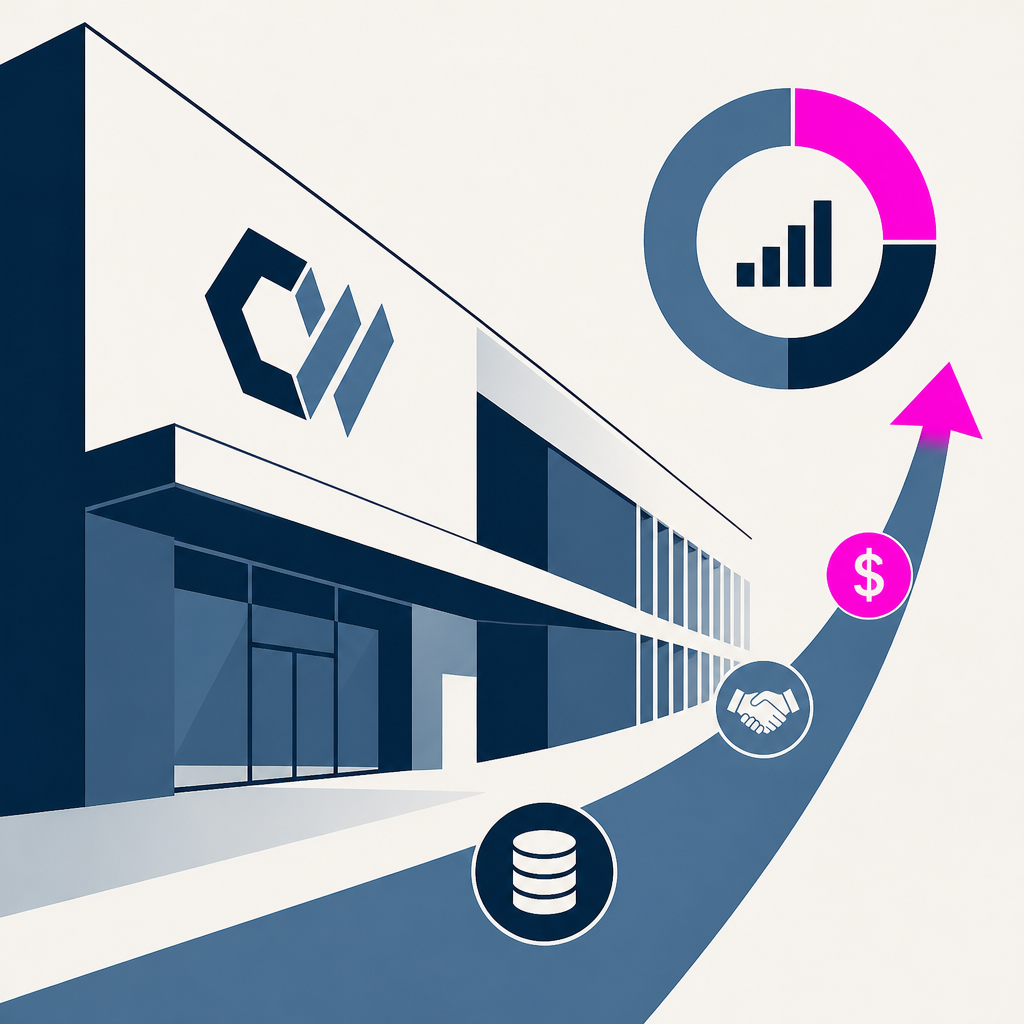
Vinci4D Inc. is rolling out physics-equation-based simulation technology for semiconductor design that replaces traditional methods like finite element analysis. The company closed a $250 million Series B round at a $1.5 billion valuation. This approach is set to cut simulation time and cost by running multiple physics analyses at once and is intended to expand Vinci4D into other hardware sectors such as automotive and aerospace.
Physical AI cost estimates for robots vary widely because they depend on how many productive hours the robot can reliably run in real operations rather than just theoretical per-hour operating cost. Agility Robotics reported in its filing that its Digit robots logged more than 65,000 hours across nine customer sites and it estimated its next robot’s cost model at roughly $400,000 over a five-year life. The industry focus shifts from selling robots by sticker/hour cost to selling labor-as-a-service outcomes priced on completed work, with economics driven by uptime and utilization.
CoreWeave’s debt and lease liabilities were questioned, but Neostellar Capital’s Evan Schlossman argues the company can repay them using noncancellable customer commitments. Schlossman points to CoreWeave’s $103.7 billion remaining performance obligations, with 41% scheduled to be paid through 2028. As a result, the debate shifts from whether CoreWeave is loss-making to whether its take-or-pay RPO contracts with creditworthy customers can hold up if compute demand or delivery risks change.
Anthropic’s early backer predicts the company’s IPO would price shares far below its stated target and value the company above SpaceX’s first-day market cap. The investor expects pricing at around $1.8 trillion and a post-IPO trading value of about $2.3 trillion to $2.4 trillion. The focus shifts to enterprise AI budgeting as lower unit prices from open models may still coincide with rising total spend, implying CFOs will face ongoing cost-accounting and adoption-driven pressure rather than simple savings.
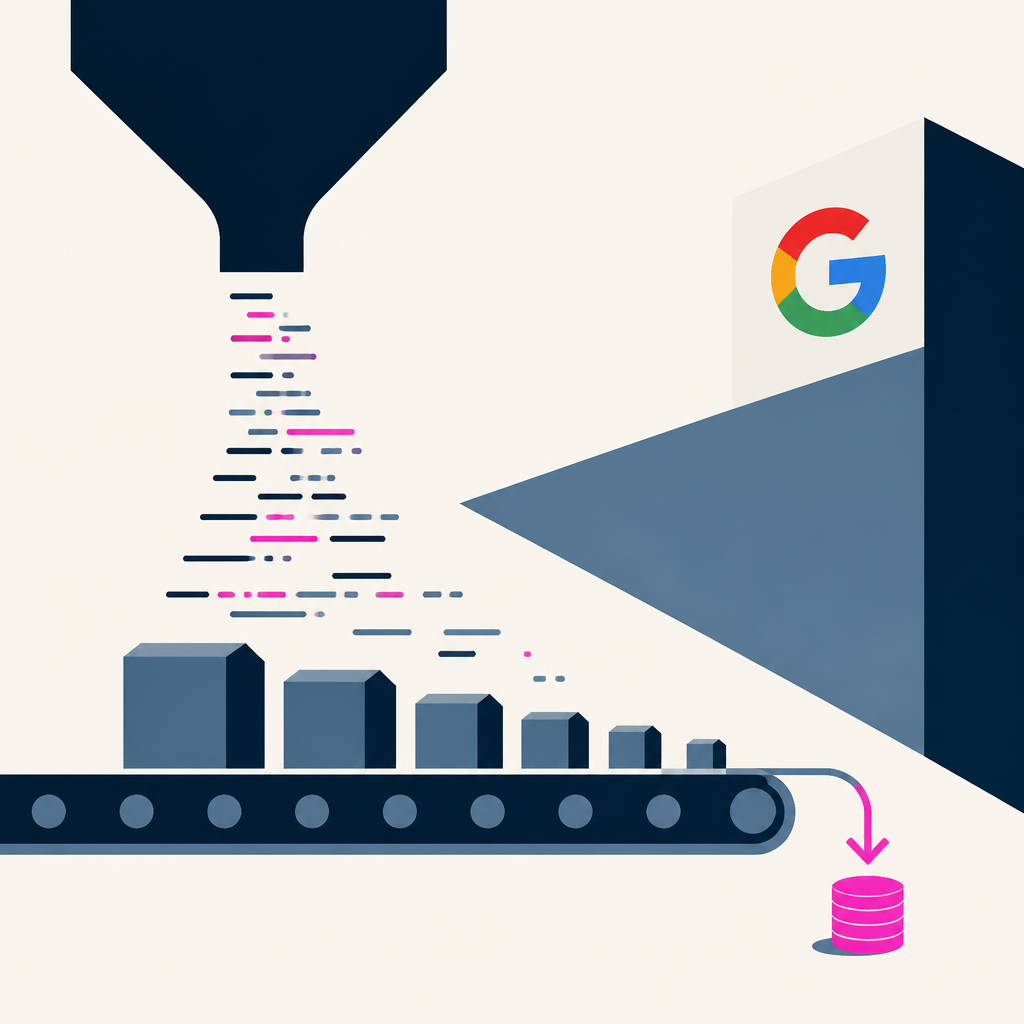
The development job market is shifting toward fewer roles and fewer junior openings while employers increasingly rely on AI-generated code and smaller teams to ship software. Google said in April that 75% of its new code is AI-generated. As a result, software production costs are falling, services pricing migrates away from labor hours toward outcomes, and hiring and verification standards move toward auditing and accountability for generated code.
Uvi said agent platforms that repeatedly gather context from tools like Slack, Jira, and GitHub make customers pay again for information a company already has. Uvi reported that direct connections to six systems cost about 8× more than its approach, with per-answer cost dropping from roughly $0.75–$1.41 (and sometimes over $2.00) to $0.10–$0.16. The company’s semantic-layer, knowledge-graph approach is meant to centralize permissioned company context so agents on new frontier models don’t need to relearn it each time.
CoreWeave’s credit risk deteriorated as investors reassessed AI debt amid a broader sell-off in AI-related stocks. CoreWeave’s five-year credit default swaps rose to nearly 1,038 basis points, up 16% week over week and 164% year over year. The pressure spread to other “neocloud” and AI-linked equities as debt-yield concerns and wider CDS spreads drove investors to cut exposure.
Young founders are increasing hiring and spending while many large employers slow hiring in a low-hire job market that makes entry harder for Gen Z. Q3 2026 data from Justworks and the U.S. Chamber of Commerce found 46% of Gen Z and millennial business owners plan to increase staff in the next year versus 19% among baby boomers and older. The result is a shift toward entrepreneurship as a route into work, with some employers also replacing entry-level roles with AI.
The International Monetary Fund warned that AI-related asset corrections are the top financial-market risk because the AI build-out relies on borrowed money. The IMF reviewed 14 publicly disclosed deals since 2023 where hyperscalers provided about $650 billion in debt against about $300 billion in equity and the AI firms committed to spend $1.4 trillion going forward. The report recommends limiting AI-sector leverage and liquidity risks with measures like sector-specific capital requirements and bank lending concentration limits.
Every AI story that matters,
in your inbox by 8am.
TLDRocket reads all relevant sources, removes duplicate coverage, and summarises the
day in two minutes. Follow companies and topics for alerts, or get the
briefing in Slack. Free, no spam, unsubscribe anytime.
Reading TLDRocket needs no cookies, and the readership counts we rely on come from
our own cookieless analytics. Google Analytics is the exception: it sets cookies and
reports to Google, so it stays switched off until you allow it. You can change your
mind any time from “Cookie settings” in the footer.
Strictly necessary
Session security and form protection (tldrocket-session,
XSRF-TOKEN, 2 hours). The site cannot work without them,
so they need no consent.
Always on
Google Analytics 4 (_ga,
_ga_<id>, up to 2 years). Measures which
stories and sections readers use. Google acts as a third-party processor and may
store the data outside the EU. No advertising, no profiling, no data sold.