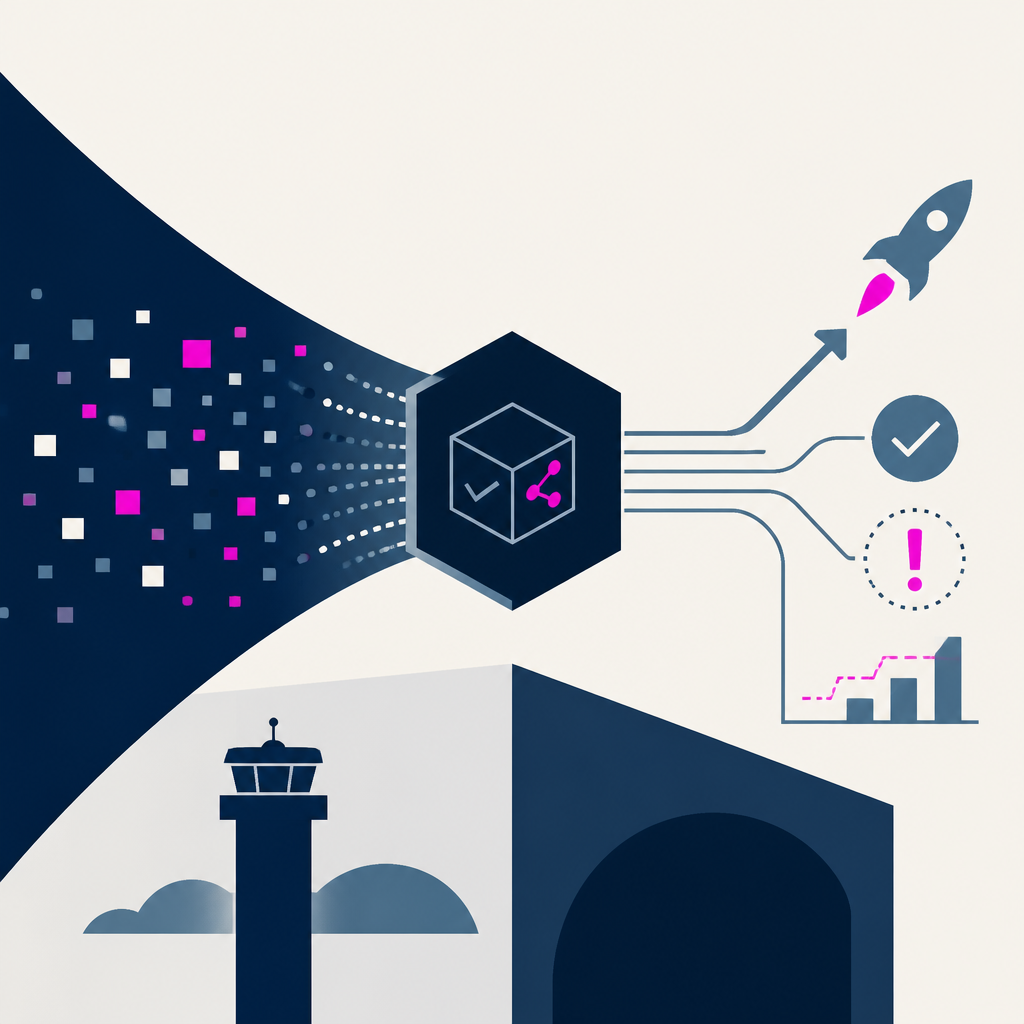
Deplo launched as project management software with an “AI coworker” and a push-to-deploy approach without Docker, SSH, or an invoice. It is listed with 9 followers. As a result, users can deploy changes to a machine they already pay for through the same push workflow, aiming to remove extra deployment steps.
Oats launched as a free, open-source, on-device AI meeting note-taking tool that records meetings without bots or subscriptions. It is available today on both macOS and Windows. Running locally uses an on-device LLM, while extra features come via the ariso.ai cloud backend.
Ben’s Bites built an AI-assisted “design words” style-picker tool that generates copy prompts for an agent by selecting layout styles and components.
He generated 11 prototype versions and ended up with v8 as the front runner.
After shifting the UI for faster visual comparison, he replaced a broken shuffle/preview flow with a better mechanism, then published the site via a Cloudflare Worker proxy while tracking 116 prompts over 2 days of work.
The article argues that AI has made programming and other creative work feel less owned and less satisfying by shifting effort from crafting to prompting and using machine-generated reviews. It contrasts week-long craft with instant prompting. It changes the debate by splitting readers between those who say they lose agency and those who say outcomes still depend on developers setting architecture, examples, tests, and the review loop.
Checkly rewrote a Node.js JavaScript service in Go using Claude Code, with a black-box test harness that compared outputs against production data for a service handling 92 million daily messages. The rollout reported zero incidents and surfaced a production-vs-test queue mismatch due to incomplete dependency modeling. As a result, Checkly improved how dependencies are represented in testing to keep behavior aligned after the language switch.
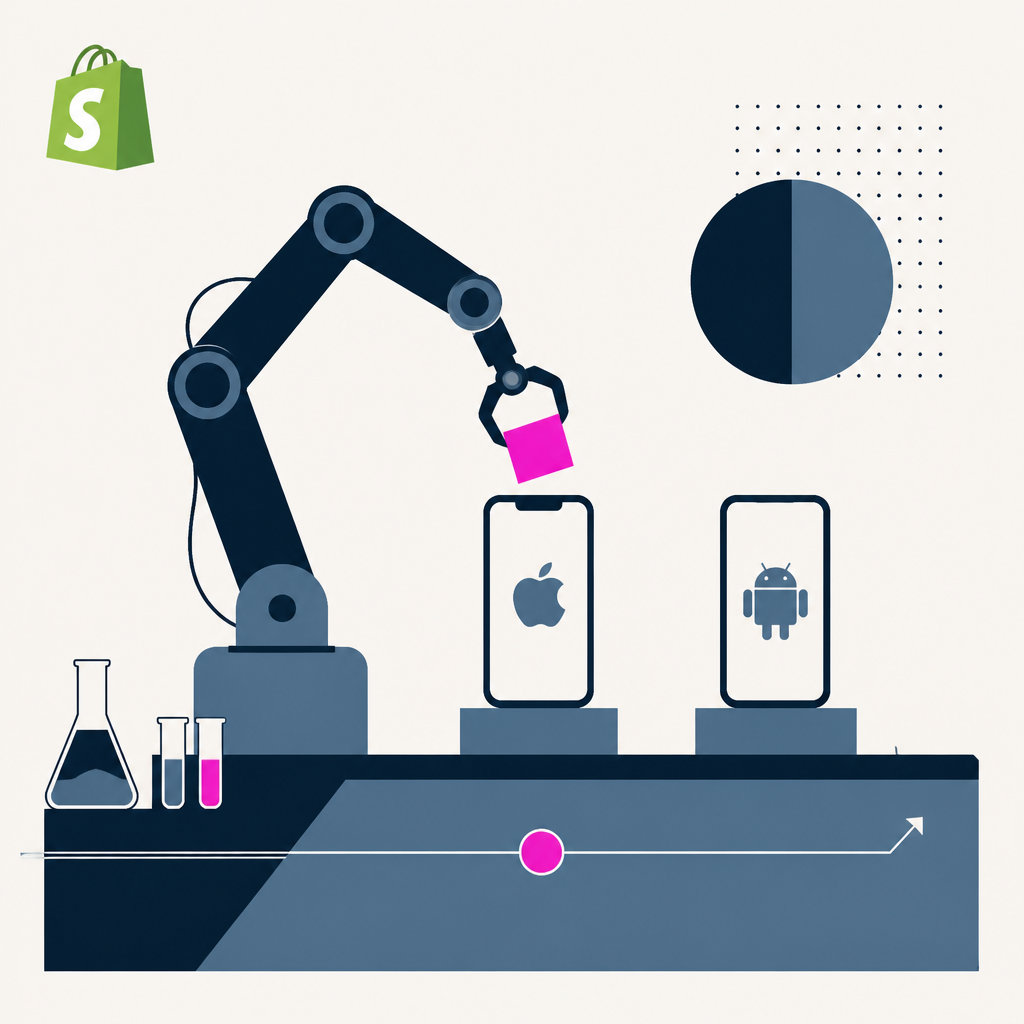
Shopify moved major mobile apps from React Native back to Swift and Kotlin after finding it became easier and cheaper to maintain two native implementations with coding agents.
It cites the shift as making dual-native maintenance less costly than before.
This changes its mobile engineering approach by using Helix to split migrations into small, tested checkpoints with visual and adversarial reviews.
Banana Keyboard launches for Android as a keyboard that inserts curated AI prompts into any chat app without sending them. It goes live today. The prompt panel collapses after insertion and the app stays free on Google Play without requiring an account, with favorites and prompt library kept on-device.
Richard Roper, president of Marsh People and Investment, gave his two eldest daughters a written list of career “daddy tips” as they started working. He said he drafted it on Sept. 8 to pass on decades of basics like punctuality, politeness, and contributing value in meetings. As AI automates more entry-level tasks, the article argues these human soft skills are becoming more valuable for young workers trying to stand out and communicate effectively.
Paste launched an “Intelligent Clipboard” feature that predicts which copied items you’ll paste next based on what you’re working on. It launched today and is powered by Apple Intelligence. This adds clipboard suggestions to Paste while running privately on the user’s Mac.
Anthropicologic launched a product that uses an internet-wide “Human Context Protocol” to analyze consumer and cultural signals. It supports nine workflows across 239 markets in 100+ languages. This replaces or speeds up traditional user research and social listening by delivering research, innovation, and foresight answers in minutes.
OpenAI unveiled ChatGPT for Financial Services, a version of ChatGPT aimed at financial analysis and model creation for banks and other financial teams. It requires an enterprise subscription and direct approval to access, and it can integrate data from providers like Bloomberg and FactSet with detailed citations. OpenAI says this will shift analyst workflows toward generating deliverables such as slides, spreadsheets, and dashboards faster, though some bankers worry it could reduce junior training tasks.
Every AI story that matters,
in your inbox by 8am.
TLDRocket reads all relevant sources, removes duplicate coverage, and summarises the
day in two minutes. Follow companies and topics for alerts, or get the
briefing in Slack. Free, no spam, unsubscribe anytime.
Reading TLDRocket needs no cookies, and the readership counts we rely on come from
our own cookieless analytics. Google Analytics is the exception: it sets cookies and
reports to Google, so it stays switched off until you allow it. You can change your
mind any time from “Cookie settings” in the footer.
Strictly necessary
Session security and form protection (tldrocket-session,
XSRF-TOKEN, 2 hours). The site cannot work without them,
so they need no consent.
Always on
Google Analytics 4 (_ga,
_ga_<id>, up to 2 years). Measures which
stories and sections readers use. Google acts as a third-party processor and may
store the data outside the EU. No advertising, no profiling, no data sold.