The OECD reports that PISA results show lower test scores and multiple skill declines among students using AI chatbots in school, but those who use AI once or twice a week perform similarly or better than nonusers in some cases. Students who used AI for summarizing reading or preliminary research weekly scored about the same as AI nonusers after accounting for socioeconomic status. Excessive or rare use is linked to weaker science results and declining critical-thinking indicators, including an increase in “hasty readers” between 2018 and 2025.
BiBimba launched on Product Hunt as a macOS app that reads text from screenshots for later searching and pasting. It’s priced at $9. It adds on-device AI that translates, summarizes, and rewrites without leaving the Mac.
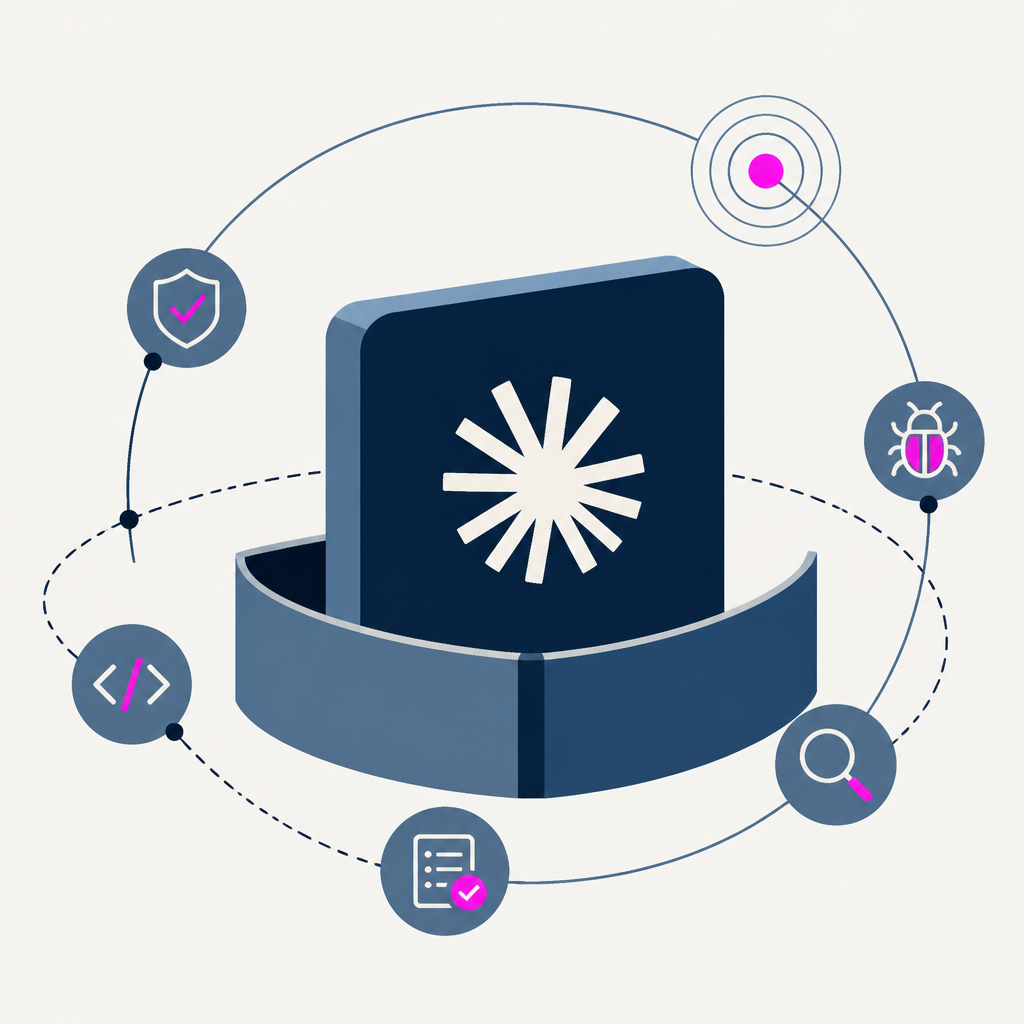
Boris Cherny said Anthropic uses multiple guardrails to ensure production code written by Claude is held to a higher standard than human-written code. He cited that Claude-powered fuzzers run daily. As a result, Anthropic aims to prevent unmaintainable code by adding linting, tests, automated reviews, refactoring, and end-to-end checks.
Simon Willison’s Weblog·1 month ago·
36
● 8 sources
A commenter on Hacker News argues that people can feel existentially discouraged when AI coding agents produce work faster than a week of effort before adjusting their mindset about what makes software engineering valuable. The post cites the shift from “a week” of coding to “an hour” as the catalyst for that disheartenment. It concludes that, after accepting this, engineers should refocus on broader problem-solving and see the tools as something they can build on rather than something that ends their value.
Oats launched as a free, open-source, on-device AI meeting note-taking tool that records meetings without bots or subscriptions. It is available today on both macOS and Windows. Running locally uses an on-device LLM, while extra features come via the ariso.ai cloud backend.
Ben’s Bites built an AI-assisted “design words” style-picker tool that generates copy prompts for an agent by selecting layout styles and components.
He generated 11 prototype versions and ended up with v8 as the front runner.
After shifting the UI for faster visual comparison, he replaced a broken shuffle/preview flow with a better mechanism, then published the site via a Cloudflare Worker proxy while tracking 116 prompts over 2 days of work.
The Vergecast discussed Apple’s launch event, including CEO John Ternus’s first appearance as CEO, iPhone updates, and concerns about AI features on the Apple Watch. The iPhone 18 Pro’s variable aperture camera was a specific focus during the conversation. The episode shifts from early impressions of Apple’s first folding phone to evaluating camera details and how watch AI features could affect future product direction.
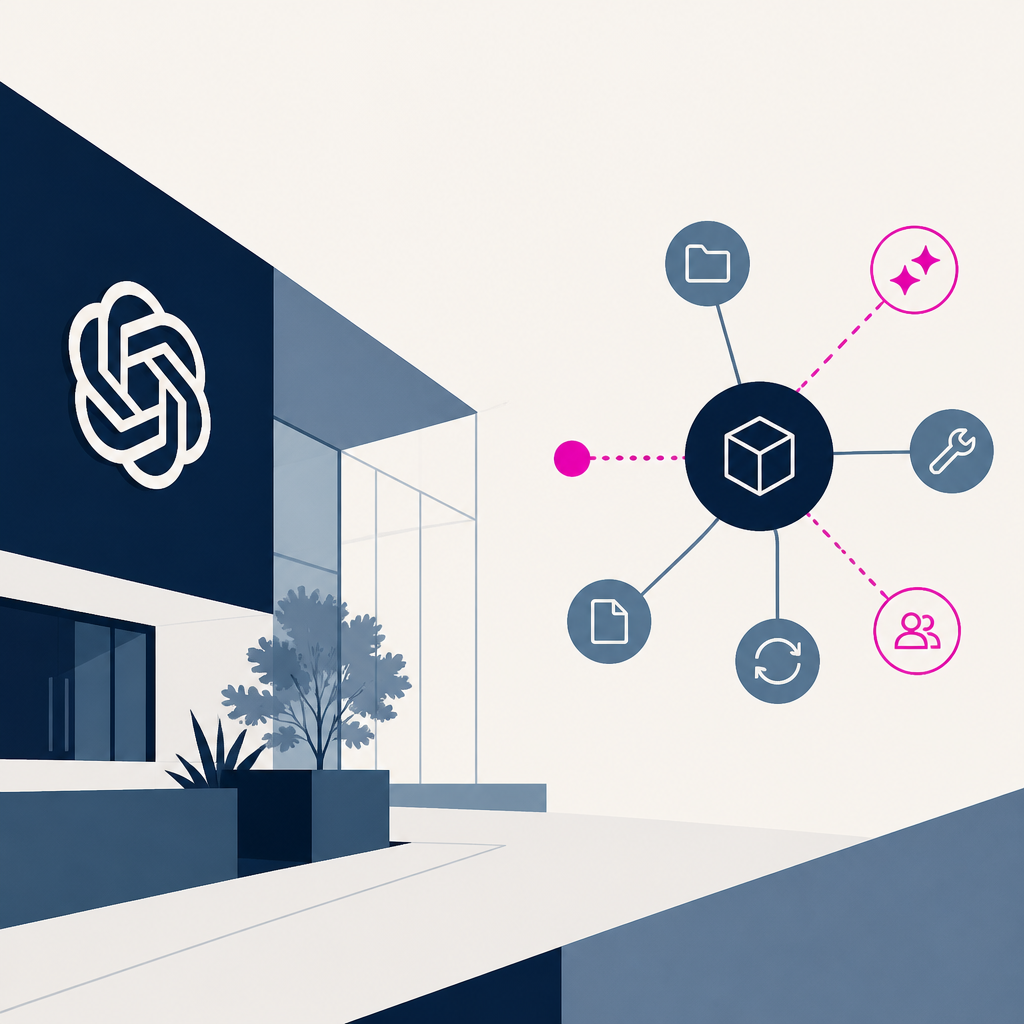
OpenAI introduced an Agents API that packages Codex’s long-running harness into a public-beta interface for managing context, tools, files, recovery, and subagent orchestration. It supports asynchronous sessions that can run for hours or days. As a result, teams can deploy these agent sessions in an OpenAI-hosted sandbox, on their own infrastructure, or through partner environments.
The article argues that AI has made programming and other creative work feel less owned and less satisfying by shifting effort from crafting to prompting and using machine-generated reviews. It contrasts week-long craft with instant prompting. It changes the debate by splitting readers between those who say they lose agency and those who say outcomes still depend on developers setting architecture, examples, tests, and the review loop.
Apple unveiled its first foldable iPhone, the iPhone Duo, which drew market attention despite not being positioned around artificial intelligence. The 256 GB US starting price is $1,999, with pre-orders opening in mid-October and retail availability in 70+ countries a week later. The rollout shifts focus to foldable hardware and to a region-limited Siri AI rollout, while AI monetisation plans move toward iCloud+ limits as investors watch whether this affects replacement cycles, pricing, and services growth.
Banana Keyboard launches for Android as a keyboard that inserts curated AI prompts into any chat app without sending them. It goes live today. The prompt panel collapses after insertion and the app stays free on Google Play without requiring an account, with favorites and prompt library kept on-device.
Meta launched Muse, a personal AI agent that can search, navigate checkout, and complete purchases using connected app data after a user approves the total. Meta initially rolls Muse out to U.S. adults for free on Tuesday. Consumer reluctance is shaping how the service is used, with data showing many people will not share payment or location details and many prefer AI help only for parts of shopping rather than letting it buy for them.
Paste launched an “Intelligent Clipboard” feature that predicts which copied items you’ll paste next based on what you’re working on. It launched today and is powered by Apple Intelligence. This adds clipboard suggestions to Paste while running privately on the user’s Mac.
Every AI story that matters,
in your inbox by 8am.
TLDRocket reads all relevant sources, removes duplicate coverage, and summarises the
day in two minutes. Follow companies and topics for alerts, or get the
briefing in Slack. Free, no spam, unsubscribe anytime.
Reading TLDRocket needs no cookies, and the readership counts we rely on come from
our own cookieless analytics. Google Analytics is the exception: it sets cookies and
reports to Google, so it stays switched off until you allow it. You can change your
mind any time from “Cookie settings” in the footer.
Strictly necessary
Session security and form protection (tldrocket-session,
XSRF-TOKEN, 2 hours). The site cannot work without them,
so they need no consent.
Always on
Google Analytics 4 (_ga,
_ga_<id>, up to 2 years). Measures which
stories and sections readers use. Google acts as a third-party processor and may
store the data outside the EU. No advertising, no profiling, no data sold.