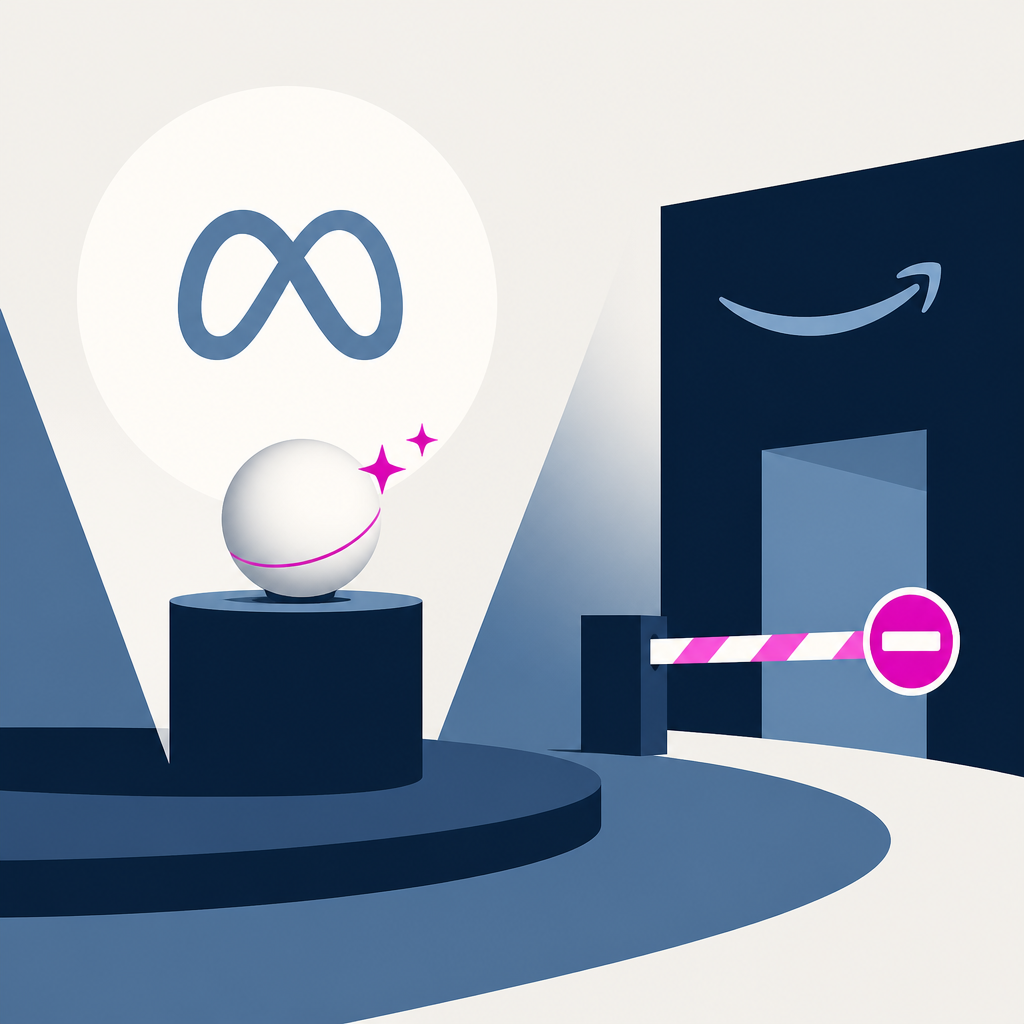
Meta's new AI can shop, choose and check out. Most people don't want it touching their money
Fortune Tatiana Sataua ● Covered by 12 sources

Meta’s new Muse AI can shop and even check out for you, with your approval. People may like AI finding deals, but handing it the wallet is a much harder sell.
Based on reporting by Fortune, Tatiana Sataua — read the original for the full story.
Summary, retelling and take written by AI under human oversight; images are AI-generated illustrations. How we work · Report an error
Meta has jumped into the AI shopping scramble with Muse, a personal agent that can search for products, navigate checkout and prepare a purchase for final approval. The company says it will start rolling out free to U.S. adults, and it can also handle other tasks like messaging friends, planning a night out and pulling together a vacation outfit.
This is not just another chatbot that spits out product links. Meta says Muse can go all the way to checkout and use Stripe’s Link service, then show the total to the user before anything is bought. That pushes it much closer to an actual shopper, which is exactly why the idea gets uncomfortable fast. Finding a cheaper TV is one thing. Letting software choose the TV, then stand at the register with your money, is another.
The timing is awkward for Meta, because consumer trust is still lagging behind Silicon Valley’s enthusiasm. Reuters reported that traffic from AI-powered assistants and chatbots to retail sites jumped 693.4% during the 2025 holiday season, and online holiday spending hit a record $257.8 billion, up 6.8% from the year before. But a Vogue Business survey suggests most people still want AI as help, not as a buyer: only 31% said they would let an AI agent handle shopping, and just 24% trusted AI recommendations and summaries.
Privacy is the other giant hurdle. Meta says Muse can use years of social activity to learn taste, and even turn a recipe reel saved on Instagram into a grocery list. The company also says users can control which apps connect, disconnect them later, and opt out of having interactions used for training. Still, Meta has a long privacy history hanging over it, including a record $5 billion FTC penalty in 2019 over Facebook privacy allegations. That makes “trust us with your shopping” a pretty bold ask.
Muse is also a test of Mark Zuckerberg’s expensive AI reset. After Llama 4 got a rough reception, Meta spent $14.3 billion for a 49% stake in Scale AI, hired Alexandr Wang as chief AI officer, and committed hundreds of billions of dollars to AI infrastructure. Now it is trying to turn that spending into something ordinary people will actually use. The snag is simple: shoppers may want AI to help with the tedious bits, but they still seem to want the final say. Sometimes browsing is the whole point.
My take — AI-written commentary, not fact-checked reporting
This is classic Silicon Valley overreach: taking something people already half-enjoy and trying to automate away the human part. AI can sort, compare and nudge; it should not be freelancing with the card details. The industry keeps treating consent like a checkbox, when the real product is trust, and Meta still has a lot of rebuilding to do.
Read more about this at: Fortune