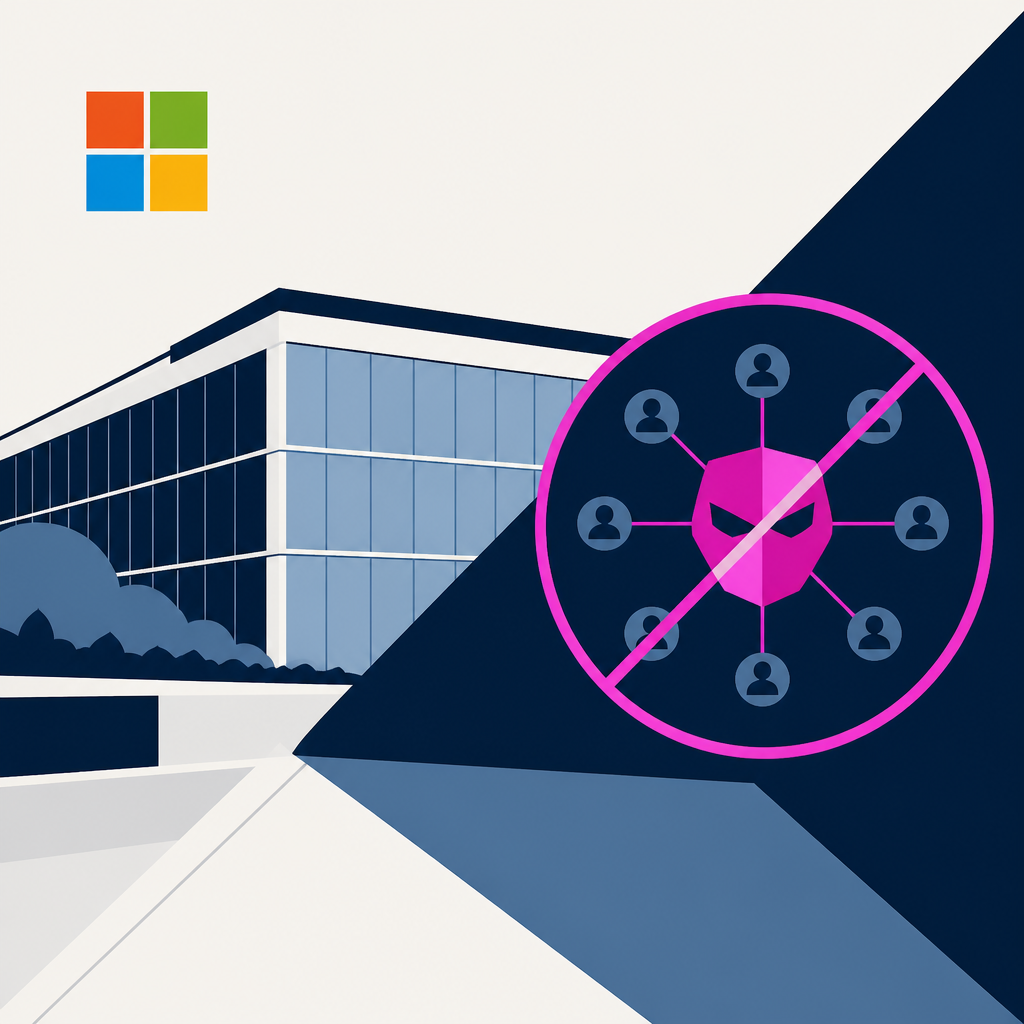
Microsoft disrupted the EvilTokens scam platform that used an AI chatbot to compromise 12,000 Microsoft accounts over a few-month span. The service was introduced in February with a $1,500 initial fee and $500 in monthly charges. As a result, Microsoft positioned the takedown as stopping an industry-wide email-fraud operation that streamlined targeting and follow-up message drafting.
Meta acknowledged that its Muse AI app was heavily inspired by OpenClaw while also saying Muse was built from scratch. The company’s product head, Nat Friedman, credited using OpenClaw in January and said Meta aimed to scale Muse to billions of people. This confirmation redirects the debate from “coincidence” to deliberate product inspiration, while Meta adds no further details beyond the statement.
Rabbit is rolling out OS3, a standalone AI agent that runs without needing its R1 hardware. The cloud OS3 lets a single account add up to 5 devices. OS3 will run locally on Windows, Mac, and Linux and can be accessed via a desktop site, messaging apps, or the R1 device, with automatic selection of devices, files, apps, and AI models.
Kelam launched an AI voice agent product that gives an assistant its own phone number to dial and to receive calls. The page says it is launching today and shows 12 followers. As a result, users can install the service into Claude, Muse, a coding agent, or a terminal using one sentence.
AgreeGuard launched a free Chrome extension that summarizes website terms and conditions before a user clicks to accept them.
It provides a plain-English summary in under 15 seconds.
The change is that users can get highlighted red flags like auto-renewals, hidden fees, and data-selling risks without creating an account, using AI to do the reading.
Mi Speaks 2.0 launched to read books, articles, and PDFs aloud on iPhone using on-device neural voices. It added 28 Neural Studio Voices, generated entirely on your iPhone with nothing uploaded and working in airplane mode. The app now supports reading along on the real PDF page, jumping by chapter, and continuing playback with the screen locked.
Ari Helper 7 launched as a private AI assistant for iPhone, iPad, Mac, and Apple Watch that can chat with local on-device models and connect to providers like OpenAI and Anthropic.
Google introduced Googlebook, a laptop that integrates Gemini with a “magic pointer” workflow for activating the assistant and selecting items to ask or create. It includes 5 TB of cloud storage and offers up to 14 hours of battery life. The launch adds Gemini-linked features like text cleanup, an agent for to-do management while the laptop is closed, and seamless phone-to-laptop handoff for apps and files.
Hemory launches a phone- or Apple Watch-based transcription app that saves every conversation as private, searchable memory with speaker-labeled moments. It launches today and connects to Claude, Codex, Cursor, or other agents over MCP. As a result, those AI tools can access stored conversation context to revisit what was heard and build on it.
Every AI story that matters,
in your inbox by 8am.
TLDRocket reads all relevant sources, removes duplicate coverage, and summarises the
day in two minutes. Follow companies and topics for alerts, or get the
briefing in Slack. Free, no spam, unsubscribe anytime.
Reading TLDRocket needs no cookies, and the readership counts we rely on come from
our own cookieless analytics. Google Analytics is the exception: it sets cookies and
reports to Google, so it stays switched off until you allow it. You can change your
mind any time from “Cookie settings” in the footer.
Strictly necessary
Session security and form protection (tldrocket-session,
XSRF-TOKEN, 2 hours). The site cannot work without them,
so they need no consent.
Always on
Google Analytics 4 (_ga,
_ga_<id>, up to 2 years). Measures which
stories and sections readers use. Google acts as a third-party processor and may
store the data outside the EU. No advertising, no profiling, no data sold.