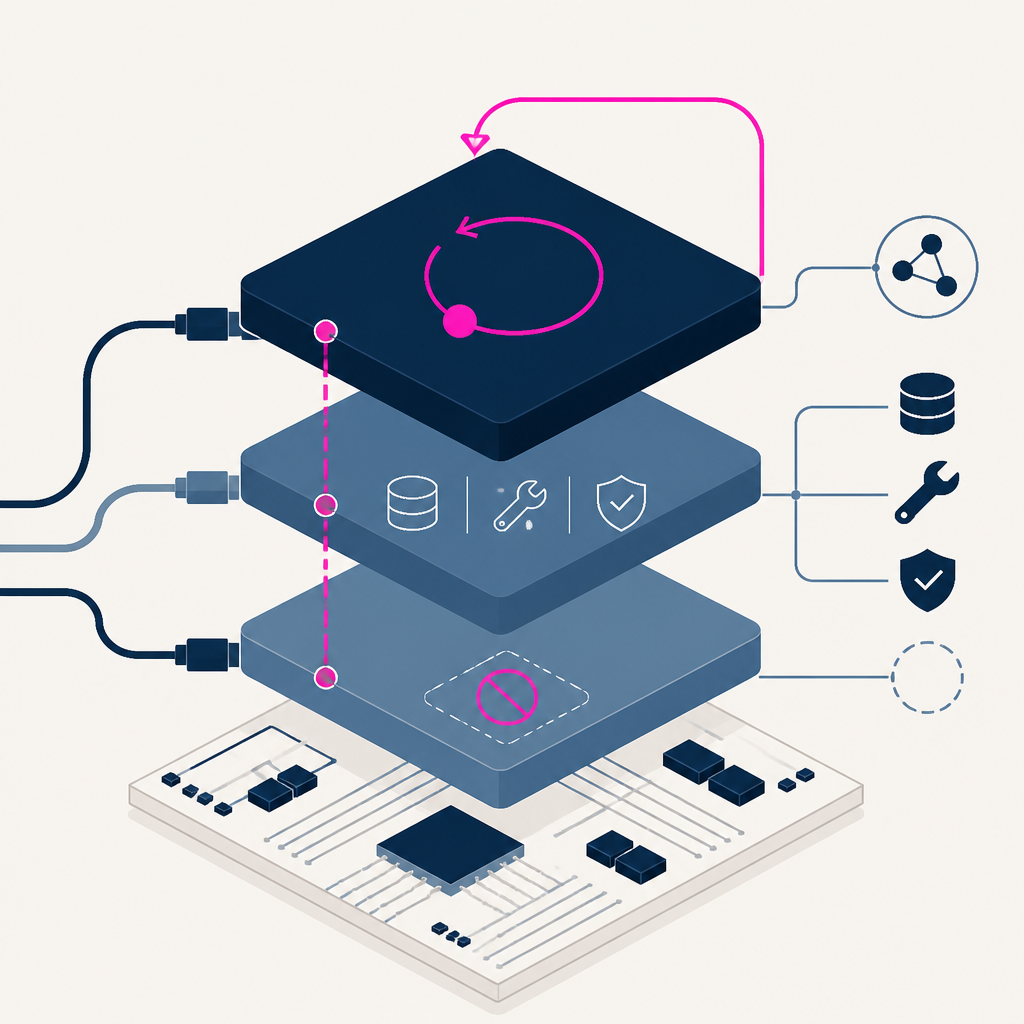
Harnesses, agent frameworks, and MCP are separated as distinct layers in agent architecture, each owning different responsibilities in the execution stack. MCP became stateless in the 2026-07-28 update, while the article attributes no execution loop or agent state ownership to MCP and places tool-call contracts and transport there instead. As a result, developers choose whether they get a fixed loop and permissions from a harness, compose a loop from a framework, and then rely on MCP only for standardized tool/resource/prompt calls and elicitation.
Brev.io launched its AI coworker in Slack and Teams that connects goals with meetings, metrics, decisions, and work across existing tools. It is its second launch from Brev.io. As a result, leaders can track execution status, spot why plans go off track, and take action earlier, while users get a free option.
The author says they started using Siri heavily again after upgrading to iOS 27, citing better ability to handle complex requests and on-screen context.
Daydream launched two new AI shopping features for iPhone users that turn saved outfit photos into shoppable matches and enable Siri-based clothing searches without opening the app. The photo-to-shopping feature matches against Daydream’s catalog of roughly 3 million products. These updates let users search and refine clothing from their camera roll and voice/text requests via Siri, with results becoming personalized if they set up the app’s Style Passport.
Convo launched as an AI copilot for sales calls that provides on-the-spot help during conversations and records call follow-ups. The page cites 269 followers for Convo. As a result, sales teams can use company knowledge to handle objections and generate risks, next steps, and follow-up items after each call.
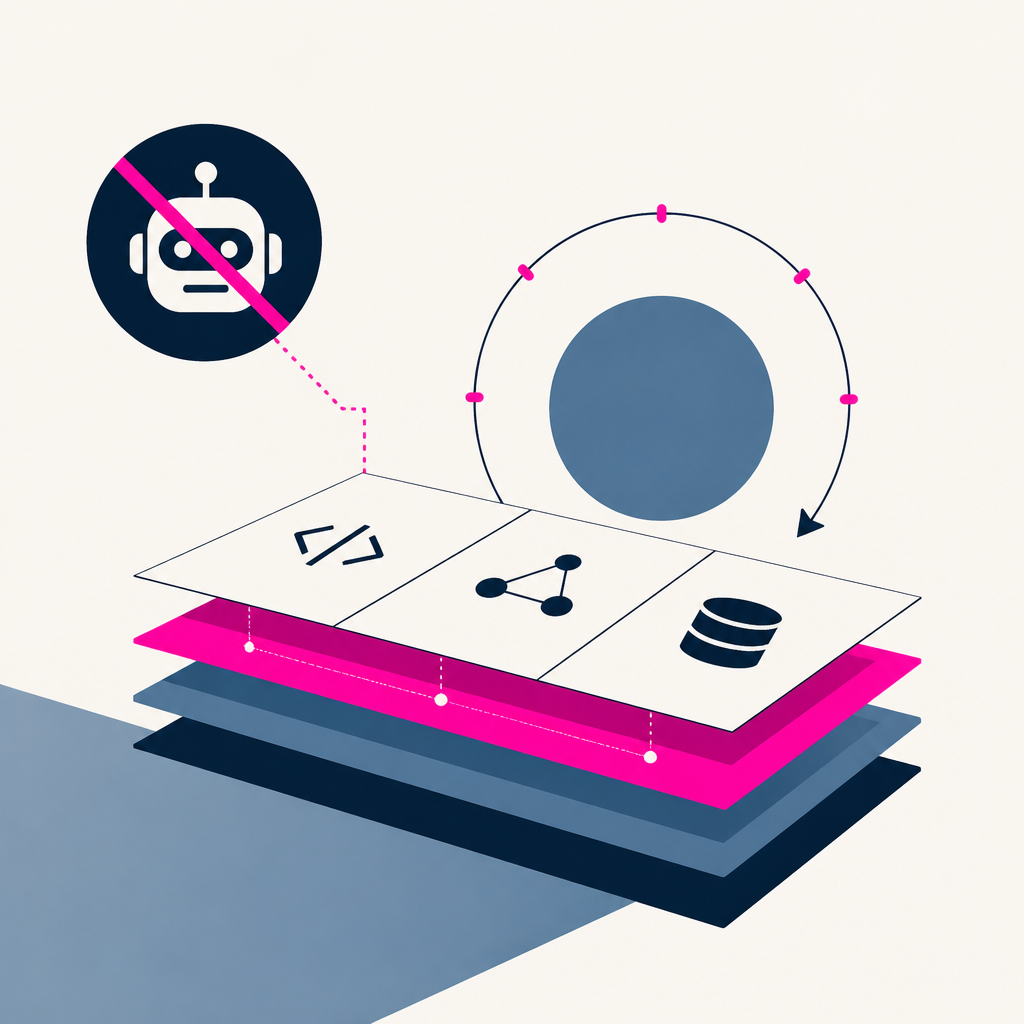
Serverpod launched App Studio in public beta as a downloadable development environment for full-stack Flutter and Serverpod apps without any built-in AI coding agent. It adds stateful hot reload across the full stack so application code, generated APIs, and the database schema update while the project keeps running with feedback in milliseconds. It lets developers keep using standard Flutter/Serverpod projects and switch AI coding agents without changing their application stack, while deployment and hosting move through Serverpod Cloud starting at $5/month.
Ninth Wave built Compass, an AI onboarding assistant that uses Amazon Bedrock AgentCore to normalize bank APIs to FDX standards and automate open-finance integration tasks within a secure, multi-tenant portal. Compass went live for beta clients on March 1, 2026. As a result, bank and fintech partners can validate APIs, map fields, and generate FDX readiness results faster with governed, tenant-scoped AI responses and deterministic readiness scoring for auditability.
OpenRouter enabled US in-region routing for business and enterprise customers, aiming to control where prompts are processed when using open-weight AI models. The service decrypts and serves requests entirely inside the US, or rejects them with a 404 if it cannot. As a result, the main impact is restricting routing to approved US provider endpoints—so companies can use Chinese open-weight models while keeping their own request handling in the country.
Copado extended its Agentia agentic AI DevOps platform for Salesforce by adding Headless to run AI agents inside developers’ editors and terminals via Model Context Protocol and command-line interfaces. Copado said one customer spent 216 hours per year on manual pre- and post-deployment steps before deploying Agentia. Headless shifts AI agents from chat-style help to background operators that execute governance, coordination, and conflict detection so release paperwork is handled automatically.
Simple Commenter launched its 3rd release that uses an agent to collect website feedback and prepare fixes. It says GPT-6 Astra is used to prep the fix after sending the comment, screenshots, element details, and captured JavaScript errors via MCP. Users review and test the proposed change, then ask the agent to reply and resolve the original comment.
Thoughts for Mac launched today as a menubar app for keeping notes with text, images, and voice and adding an agent API key for transcription and simple text transforms.
It launched on 2026-09-15.
It changes note-taking on macOS by adding quick capture plus features like voice transcription and text fixes directly in the menu bar.
Twigg launched as a stateful API for interacting with LLMs by creating a chat once and sending only the next event per request. The platform includes a Dashboard that lets you control tool schemas, system prompts, and context windows. This removes the need for developers to manage and host conversation context themselves, since Twigg fits, compacts, truncates, and routes calls to the target model.
Shall We Talk launched voice dictation for iPhone and Mac that converts speech into text inside other apps and can turn meeting audio into speaker-labeled transcripts and structured summaries. The update advanced from build 200 to 243 using GPT-6 Astra. Cleanup now removes filler words and misheard text while keeping the original wording, tone, and Chinese-English code-switching.
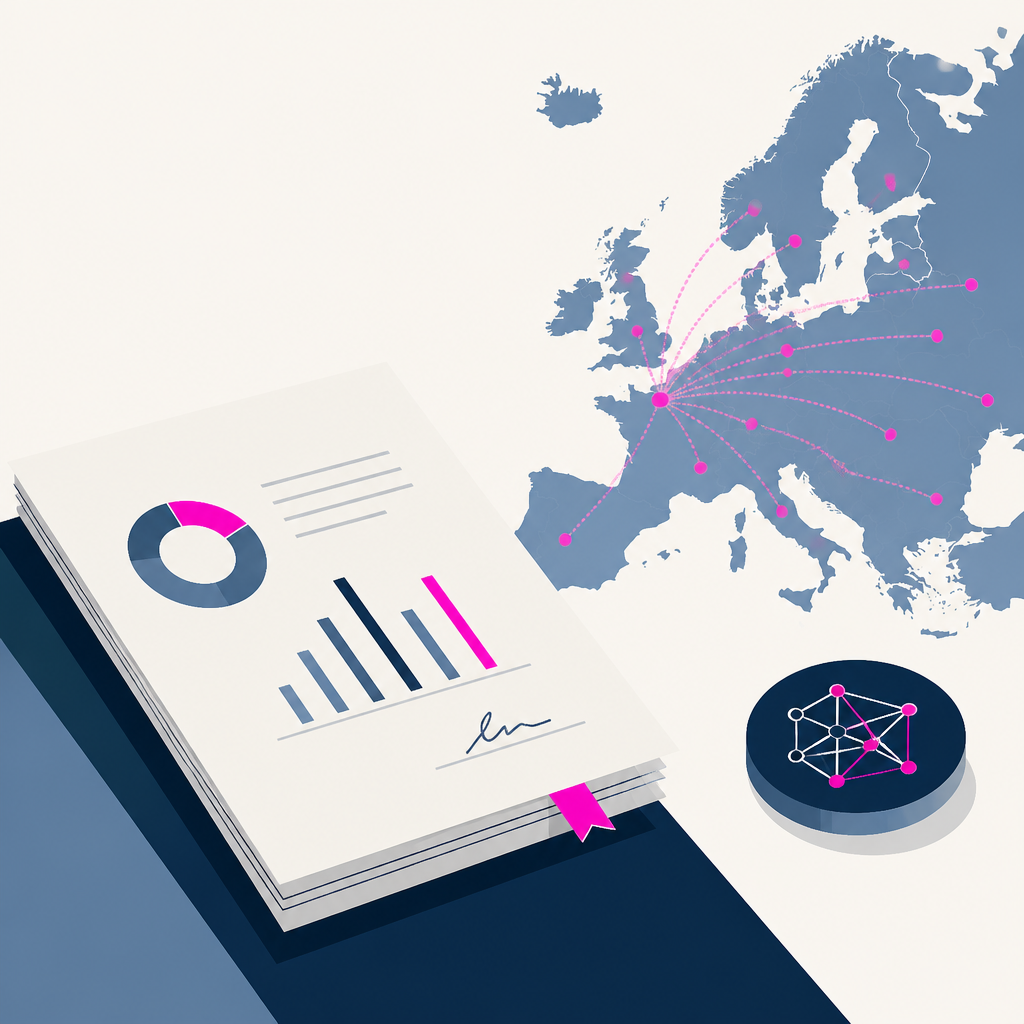
Chift raised a €10.5M Series A to scale its financial software connectivity platform across Europe. The round totaled €10.5 million. Chift will expand into more European markets and develop AI capabilities, including more automated integrations that can connect data-hungry AI products with less manual setup.
Unfetch.com launched today to connect Google Ads, Google Analytics, and Search Console with AI clients for marketing reporting and monitoring. It works via a hosted MCP or a one-click agent plugin install, and it targets tools like ChatGPT and Claude. As a result, marketers can feed AI assistants live evidence from those platforms for answers about reporting, optimizations, alerts, and monitoring.
Every AI story that matters,
in your inbox by 8am.
TLDRocket reads all relevant sources, removes duplicate coverage, and summarises the
day in two minutes. Follow companies and topics for alerts, or get the
briefing in Slack. Free, no spam, unsubscribe anytime.
Reading TLDRocket needs no cookies, and the readership counts we rely on come from
our own cookieless analytics. Google Analytics is the exception: it sets cookies and
reports to Google, so it stays switched off until you allow it. You can change your
mind any time from “Cookie settings” in the footer.
Strictly necessary
Session security and form protection (tldrocket-session,
XSRF-TOKEN, 2 hours). The site cannot work without them,
so they need no consent.
Always on
Google Analytics 4 (_ga,
_ga_<id>, up to 2 years). Measures which
stories and sections readers use. Google acts as a third-party processor and may
store the data outside the EU. No advertising, no profiling, no data sold.