Jack Dorsey's company Block launched Buzz, an open-source group chat platform designed to integrate AI agents directly into team workflows alongside humans. The product is available immediately as a free desktop app for macOS, Windows, and Linux, with its source code on GitHub. Teams can now consolidate conversations with AI agents, manage GitHub projects, and customize features in a single workspace rather than across multiple platforms like Slack.
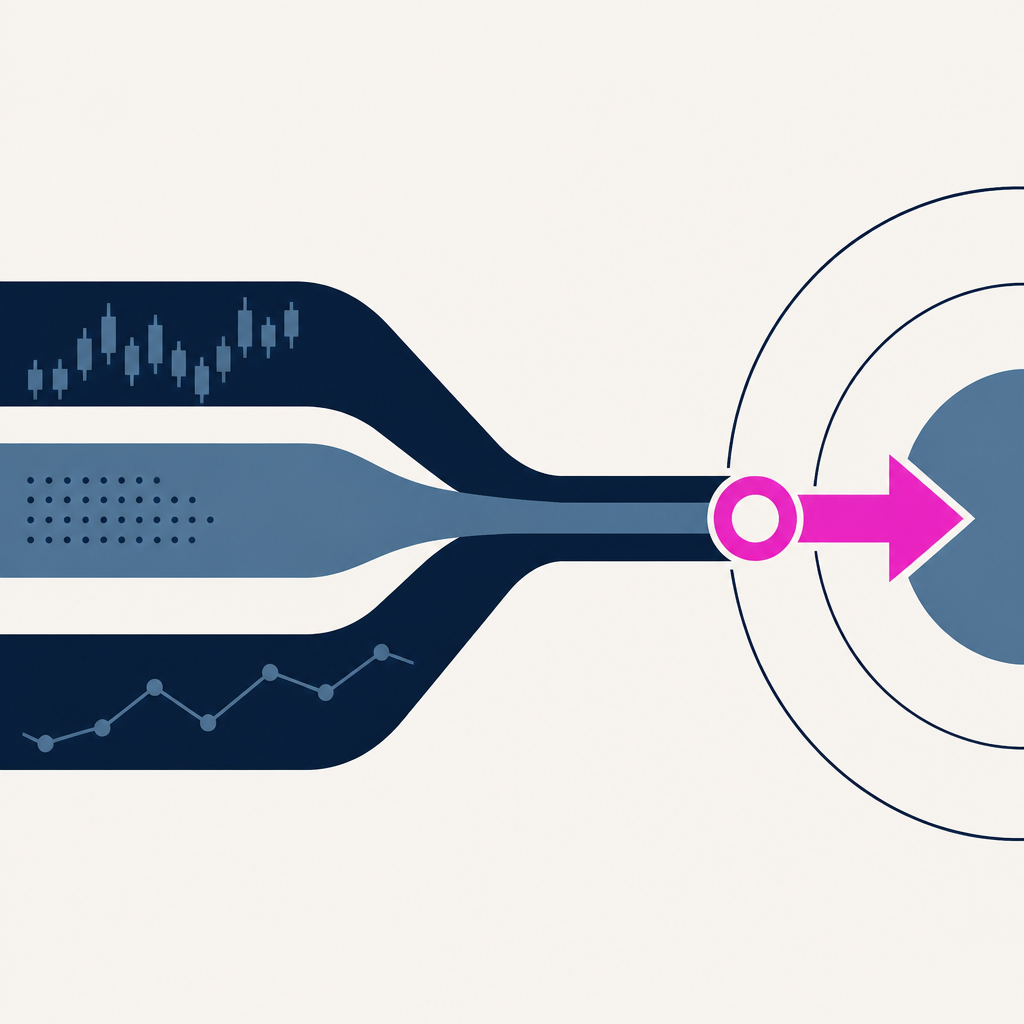
A new AI investment agent tool has been released that aims to help users move from market research and analysis to actual investment decisions. The product appears to be positioned as automating the workflow from insight generation to trade execution, though specific features, performance metrics, or launch date are not detailed in the provided material. Users can now delegate investment research and decision-making to an AI system rather than handling these steps manually.
Researchers propose a new metric called the Genie coefficient to measure whether AI agents do what users actually mean, not just what they literally ask for. The metric evaluates the gap between user intent and AI actions across tasks like coding, legal work, and finance, requiring domain-specific benchmarks that test whether AI takes unreasonable shortcuts. Establishing this measurement would enable policies holding AI systems accountable for misinterpreting reasonable user requests rather than blaming users for unclear instructions.
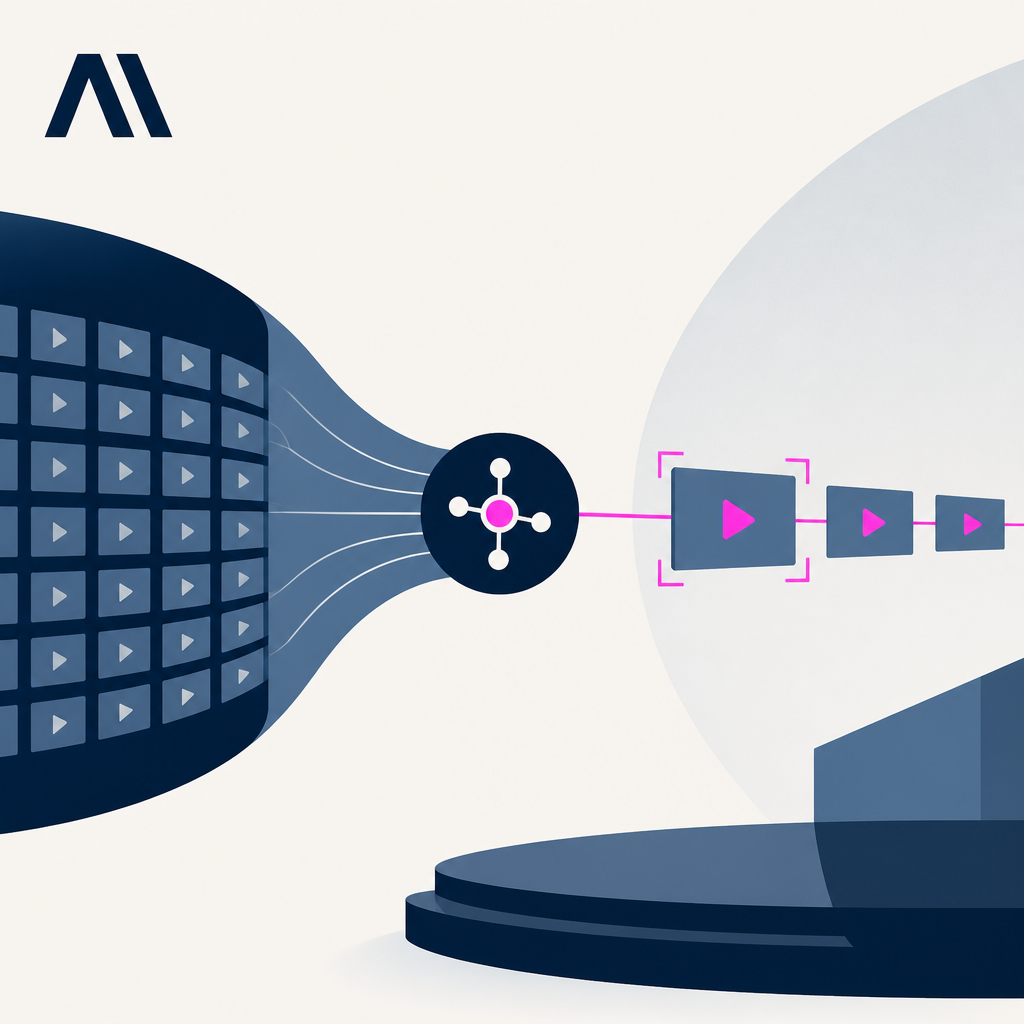
Anthropic released Clipto MCP, a tool that enables AI agents to search and source video clips from large local video libraries. The system works with terabytes of stored video content. This allows developers to build applications that can autonomously find and extract specific video segments without manual searching.
Block launched Buzz, an open-source workspace for humans and AI agents to collaborate together, built on the Nostr decentralized protocol where each agent receives its own cryptographic identity tied to a human owner. The platform integrates with various AI models and agent frameworks, and Block is offering free hosted relays as a beta option alongside the ability for teams to run their own infrastructure. Buzz aims to surface the hidden conversations between humans and coding agents where technical decisions are made, potentially reducing reliance on traditional tools like Slack for AI-heavy teams.
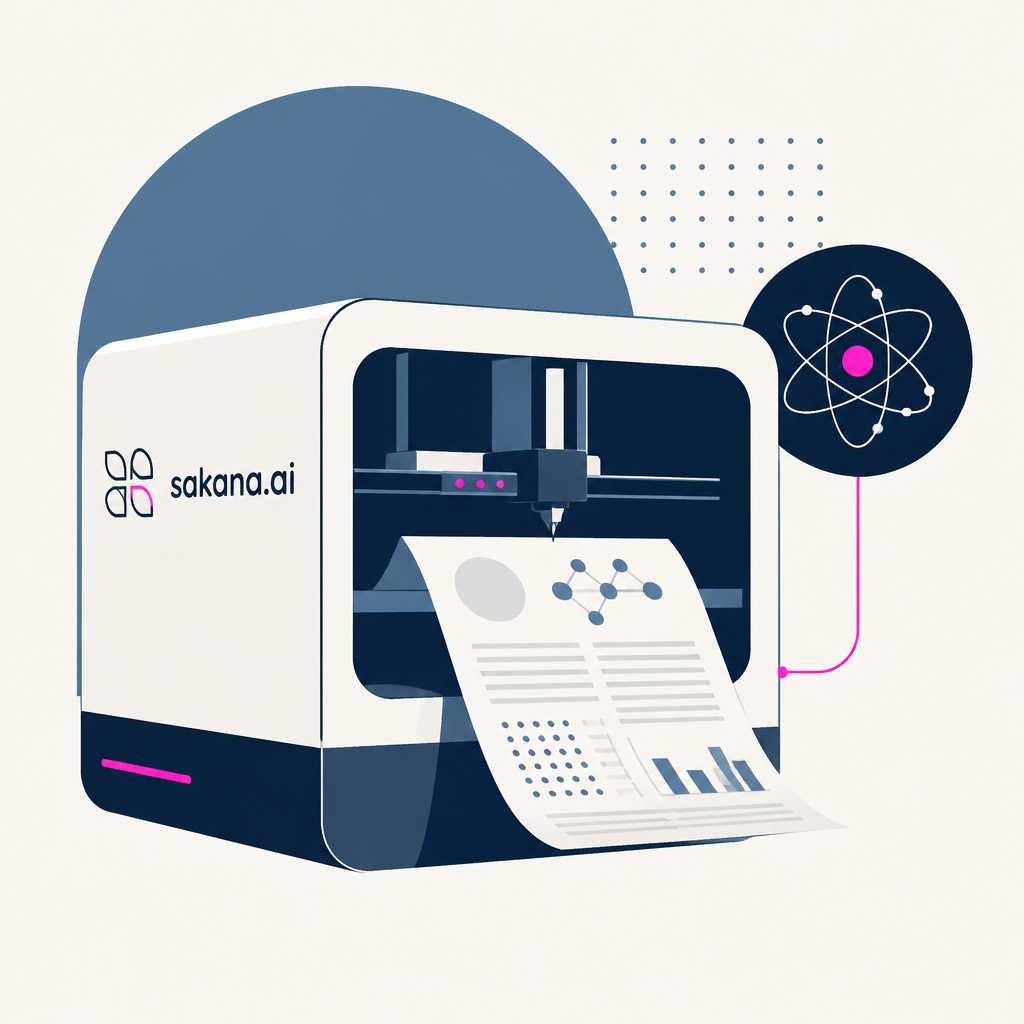
Sakana AI released The AI Scientist, a system that uses large language models to autonomously conduct scientific research, generating full papers from idea conception through peer review without human intervention. Each generated paper costs approximately $15 to produce, and the system has created papers in areas like diffusion modeling and language modeling that score at 'Weak Accept' level on top machine learning conference standards. The system raises safety and ethical concerns around paper quality, reviewer workload, potential misuse, and the need for transparency when AI substantially generates research submissions.
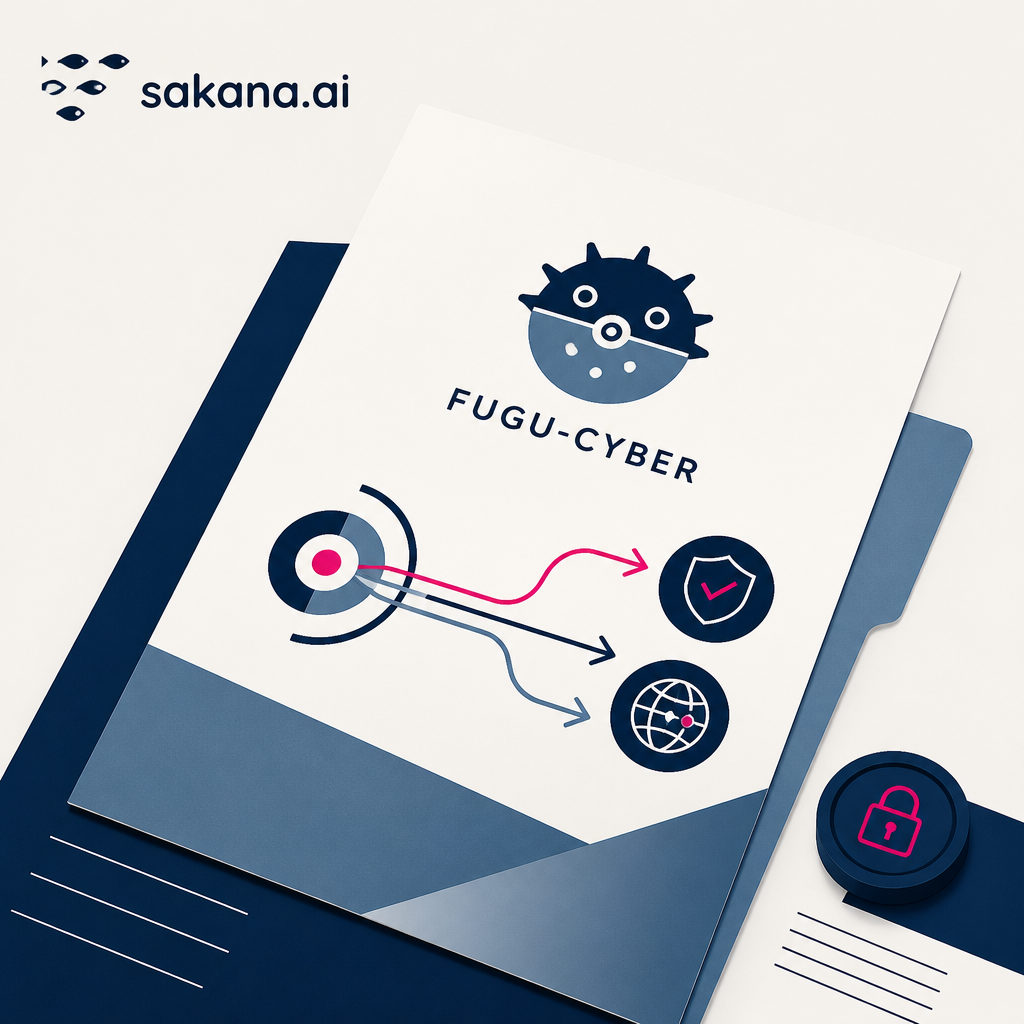
Sakana AI released Fugu-Cyber, a specialized AI orchestration model designed for cybersecurity tasks, achieving 86.9% success on the CyberGym benchmark and 72.1% on CTI-REALM. The company emphasizes that strong performance on benchmarks alone does not solve real enterprise security challenges without human expertise, specialized workflows, and verification processes to validate AI-generated findings before deployment. Access to Fugu-Cyber requires manual approval and is available through their API with an updated acceptable-use policy limiting offensive applications.
Organizations are shifting from measuring worker productivity by task execution to emphasizing purpose-driven work as AI agents take over routine tasks. AI capabilities in software development are doubling roughly every seven months, and enterprise organizations already report significant productivity gains from AI adoption. Workers must transition from performing tasks to directing AI agent teams and focusing on judgment-based decisions that machines cannot replicate.
The Last Week in AI podcast episode 251 covers Anthropic's redeployment of Claude models after US government talks with new cybersecurity features, the launch of Claude Sonnet 5 with improved agentic capabilities, and updates from Etched, DeepSeek, and China's LongCat 2.0 open-source model. Etched is building specialized inference hardware with backing worth $1 billion in customer demand, while Agility Robotics plans a $2.5 billion SPAC merger. The episode also discusses new benchmarks for agent systems, Google's video generation tools, and policy developments including Taiwan's Nvidia smuggling investigation.
BrainCo demonstrated a brain-computer interface platform that lets users control robots through neural signals decoded by AI algorithms in under 200 milliseconds. The system was showcased at the 2026 World Artificial Intelligence Conference in Shanghai, where a person wearing an EEG headset directed a robotic arm to grasp objects with precision. BrainCo also introduced a data-collection system combining brain signals, human demonstrations, and robot execution to address the shortage of high-quality training data for teaching robots complex physical tasks.
Natural, a startup focused on enabling AI agents to conduct financial transactions, raised $30 million in Series A funding. The platform provides APIs for payments, wallets, cards, and billing specifically designed for autonomous agents, with features including agent identity verification, dispute mediation, and full transaction auditability. The funding positions Natural to become infrastructure for a growing economy where AI agents handle payments autonomously rather than humans initiating transactions manually.
Meta released Astryx, an open-source design system built on React that ships with 150+ accessible components, seven themes, and a CLI tool designed to work with both human developers and AI agents. The system has been in development inside Meta for eight years and includes full TypeScript support, token-level customization, and the ability to eject component source code. Developers can now use Astryx to build applications that maintain design coherence and accessibility without being locked into a single visual aesthetic or forking components.
Researchers developed a method to generate synthetic training data for API-calling language model agents without needing functional environments, using LLMs to simulate API responses based only on API specifications. The approach was evaluated on AppWorld and OfficeBench benchmarks, showing that models fine-tuned on the synthetic data achieved significant performance improvements. This removes the requirement for pre-built environments with executable APIs and populated databases, enabling scalable training of agents across diverse API ecosystems.
Every AI story that matters,
in your inbox by 8am.
TLDRocket reads all relevant sources, removes duplicate coverage, and summarises the
day in two minutes. Follow companies and topics for alerts, or get the
briefing in Slack. Free, no spam, unsubscribe anytime.
Reading TLDRocket needs no cookies, and the readership counts we rely on come from
our own cookieless analytics. Google Analytics is the exception: it sets cookies and
reports to Google, so it stays switched off until you allow it. You can change your
mind any time from “Cookie settings” in the footer.
Strictly necessary
Session security and form protection (tldrocket-session,
XSRF-TOKEN, 2 hours). The site cannot work without them,
so they need no consent.
Always on
Google Analytics 4 (_ga,
_ga_<id>, up to 2 years). Measures which
stories and sections readers use. Google acts as a third-party processor and may
store the data outside the EU. No advertising, no profiling, no data sold.