Shopify CEO Tobi Lütke said he is considering banning Claude Code at Shopify unless Anthropic supports reading AGENTS.md and related files. The key issue is that AGENTS.md support is missing: Anthropic has already closed a request focused on recursive AGENTS.md discovery as “not planned.” As a result, Shopify may restrict Claude Code use until its agents can follow the same instructions across Shopify’s monorepo, reducing split-context “split brain” among developers.
IBM launched Granite 4.2, a new open-weight family of dense, decoder-only, reasoning-capable large language models with optional “thinking” behavior. The release ships models with 3 billion, 8 billion, and 30 billion parameters and was pre-trained on 15 trillion tokens. IBM positions the update as enabling enterprises to run multi-step agentic workflows more cheaply by limiting reasoning-token use on easy questions, while keeping overall architecture dense for flexible fine-tuning.
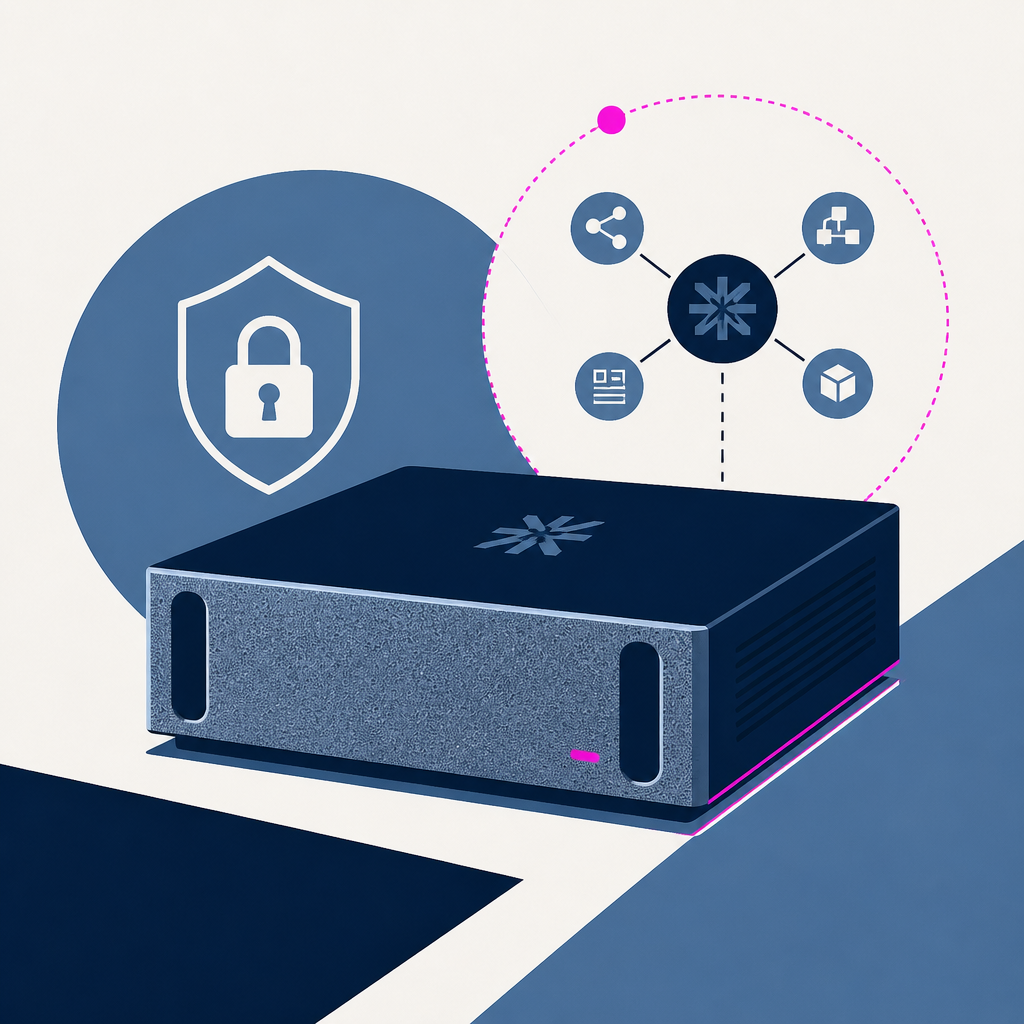
Perplexity released Portable Computer, a local-first agent platform that runs its agent harness, orchestrator, planner, tool routing, and post-trained models on NVIDIA DGX Spark with an OS-enforced sandbox. The DGX Spark hardware requirement is a GB10 superchip with 128 GB memory plus at least 1 TB storage. Local-handled steps incur no per-token charge, while steps needing live web or frontier reasoning require explicit per-step user approval before being sent to one of 15+ cloud models, changing how tasks escalate from device to the cloud.
Amazon OpenSearch Service added MCP Apps that embed observability visualizations directly in an agent chat thread so engineers can verify AI findings without leaving their IDE. The setup requires Node.js 22 or later locally. This changes the workflow by removing the separate-browser, re-query verification loop and keeping investigation and confirmation inside the same conversation.
Anthropic merged the memory systems for Claude chat and Claude Cowork, so Claude can carry learned context across both experiences. The update was announced on Tuesday. It also adds controls that let users view, edit, or delete retained memory, and enables memory by default on Free, Pro, and Max while iOS/Android users need the latest app version.
Security operations teams are lowering the cost of running AI for trust and safety by redesigning detection workflows so only certain events reach expensive models. Their approach brought detection costs down to roughly $1 per day for trust and safety work. Automation plus tiered models and prompts now handle clear cases first while humans review only ambiguous, context-dependent disputes.
Perplexity brought its Computer agent to desktop as Portable Computer, running locally in a sandbox on supported Nvidia hardware. It requires at least 24GB of GPU VRAM, with a DGX Spark desktop costing $4,800 or an RTX 3090 priced at well over $1,500. Portable Computer now executes local file edits, shell commands, and PDF processing, but can route incomplete steps to Perplexity cloud models with user approval to keep execution controlled.
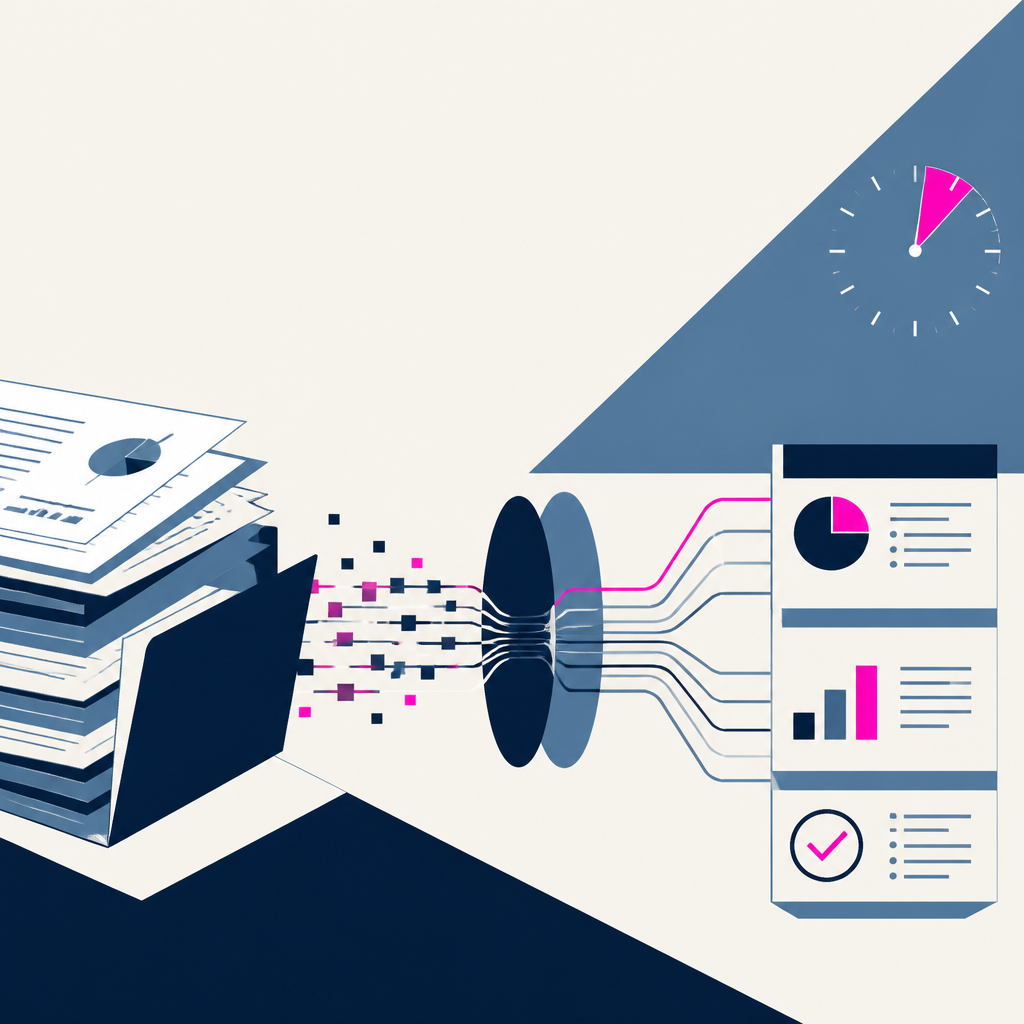
SMRK VC partner Vlad Tislenko launched Startup Due Dil, a web app that automates startup due-diligence tasks by collecting, verifying, and structuring investment information with multiple AI agents. The system generates an initial structured report in about 10 minutes after a user uploads a pitch deck. It shifts VC diligence from hours or days of manual work toward faster evidence-backed reviews with red/yellow/green flagging, while requiring ongoing AI rechecks and people-led relationship and reference checks.
MotherDuck acquired Tower, the startup that was already supplying the execution and runtime layer behind MotherDuck’s AI-built data pipelines. The deal was announced on Tuesday and marks MotherDuck’s first acquisition in 4 years. Tower’s Python pipeline runtime will be folded into MotherDuck, enabling features like Flights and migration paths for Tower customers.
SpaceXAI is deploying NVIDIA’s new Vera CPU to power the next generation of its AI agents, including running an optimized Vera hardware setup on its first AI satellite, Starmind. The deployment is tied to Vera Rubin and the next-gen Vera CPU being sent “into orbit,” with the article describing Vera as delivering up to 1.8x faster agentic task completion than traditional x86 chips. This shifts more AI agent workload from GPUs toward a dedicated CPU role (coordinating tools and running code), and it signals that AI infrastructure could expand to space-based compute.
Nimble launched Web Search Agents, self-learning web research and retrieval agents for specific domains. The launch is dated “today.” The tool is positioned to automate deeper crawling and source selection based on a link provided for onboarding.
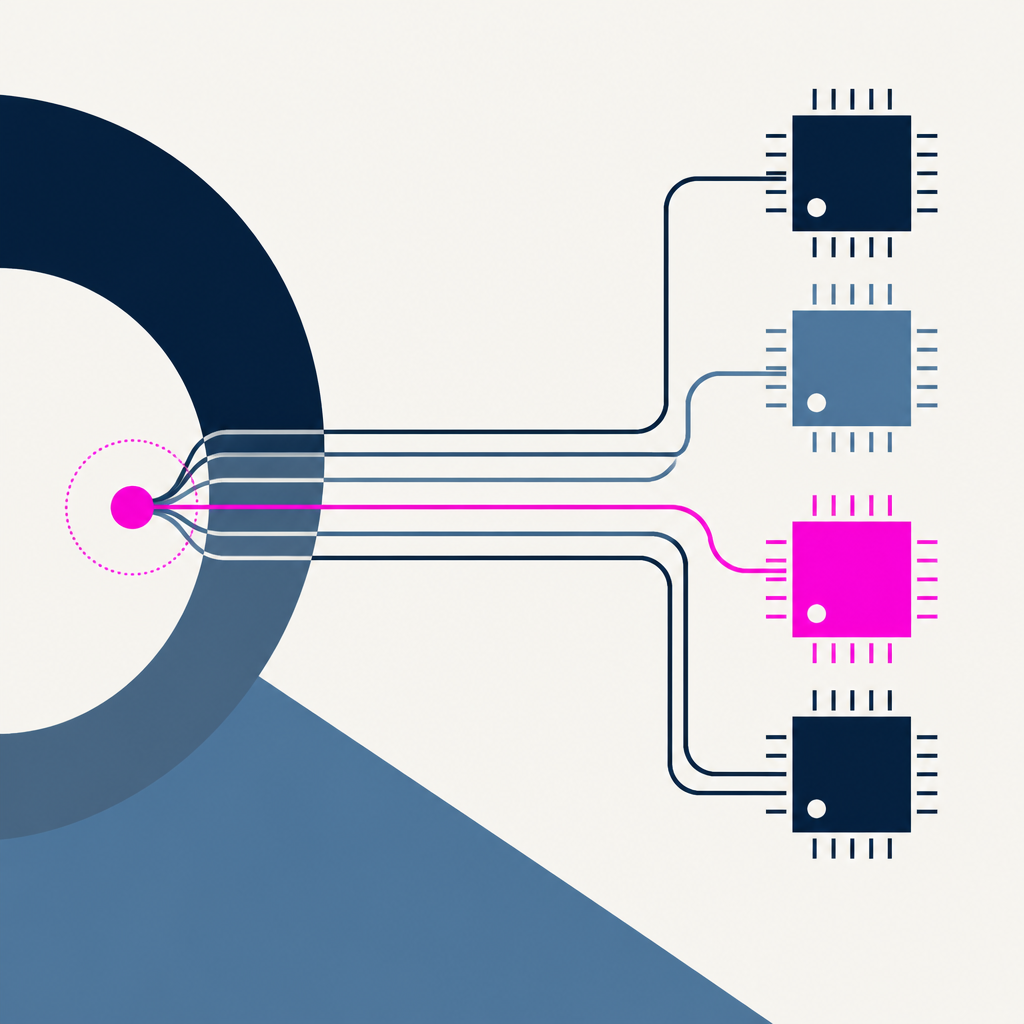
Embedd secured $2.7 million in pre-seed funding led by Seedcamp to automate how software integrates with multiple semiconductor chips. The round was also backed by Microchip Technology, with Embedd enabling Zephyr support. The company will use the funding to keep developing its platform and expand partnerships so chip developers can deliver software integration faster.
Volve raised $3 million to expand its AI-driven construction tendering platform from the Nordics into the UK and Continental Europe. The company says tendering accounts for nearly 1 in 5 of public procurement procedures and that about 80% of final project cost is determined during the tender phase. Volve will use the funding to improve its platform for main contractors and public clients and to scale its operations across Europe’s procurement workflows.
Gradio introduced gr.Workflow to let developers build AI pipelines as a typed node graph with a drag-and-drop canvas and run the same workflow as a deployable app and REST API. The workflow can be deployed to Hugging Face Spaces with a one-command deploy. Outputs automatically become separate REST endpoints and the workflow can be called directly from code or via curl, including GPU-bound fn nodes using ZeroGPU.
Every AI story that matters,
in your inbox by 8am.
TLDRocket reads all relevant sources, removes duplicate coverage, and summarises the
day in two minutes. Follow companies and topics for alerts, or get the
briefing in Slack. Free, no spam, unsubscribe anytime.
Reading TLDRocket needs no cookies, and the readership counts we rely on come from
our own cookieless analytics. Google Analytics is the exception: it sets cookies and
reports to Google, so it stays switched off until you allow it. You can change your
mind any time from “Cookie settings” in the footer.
Strictly necessary
Session security and form protection (tldrocket-session,
XSRF-TOKEN, 2 hours). The site cannot work without them,
so they need no consent.
Always on
Google Analytics 4 (_ga,
_ga_<id>, up to 2 years). Measures which
stories and sections readers use. Google acts as a third-party processor and may
store the data outside the EU. No advertising, no profiling, no data sold.