“You can rent a feature, but you can’t rent a foundation”: why MotherDuck bought the startup already powering its data pipelines
The New Stack Paul Sawers
MotherDuck bought Tower, the startup running its AI data pipelines. It now owns the “last mile” of the agent jobs it wants to ship.
Based on reporting by The New Stack, Paul Sawers — read the original for the full story.
Summary, retelling and take written by AI under human oversight; images are AI-generated illustrations. How we work · Report an error
MotherDuck has bought Tower, the small infrastructure startup whose technology was already doing the heavy lifting behind MotherDuck’s AI-built data pipelines. The deal is MotherDuck’s first acquisition, and it folds both Tower’s software and its team into the warehouse company just as MotherDuck pushes harder into AI agents that can build and run pipelines on their own.
Tower itself is a young German startup founded in late 2024 by former Snowflake engineers Serhii Sokolenko and Brad Heller. Its pitch is simple enough to matter: AI can write pipeline code, but somebody still has to package it, deploy it, wire up credentials and keep it alive. Tower handles that unglamorous middle part. It acts as a managed runtime for Python pipelines, and its browser-based Tower Control tool can take a plain-language request, generate code, deploy it and run it.
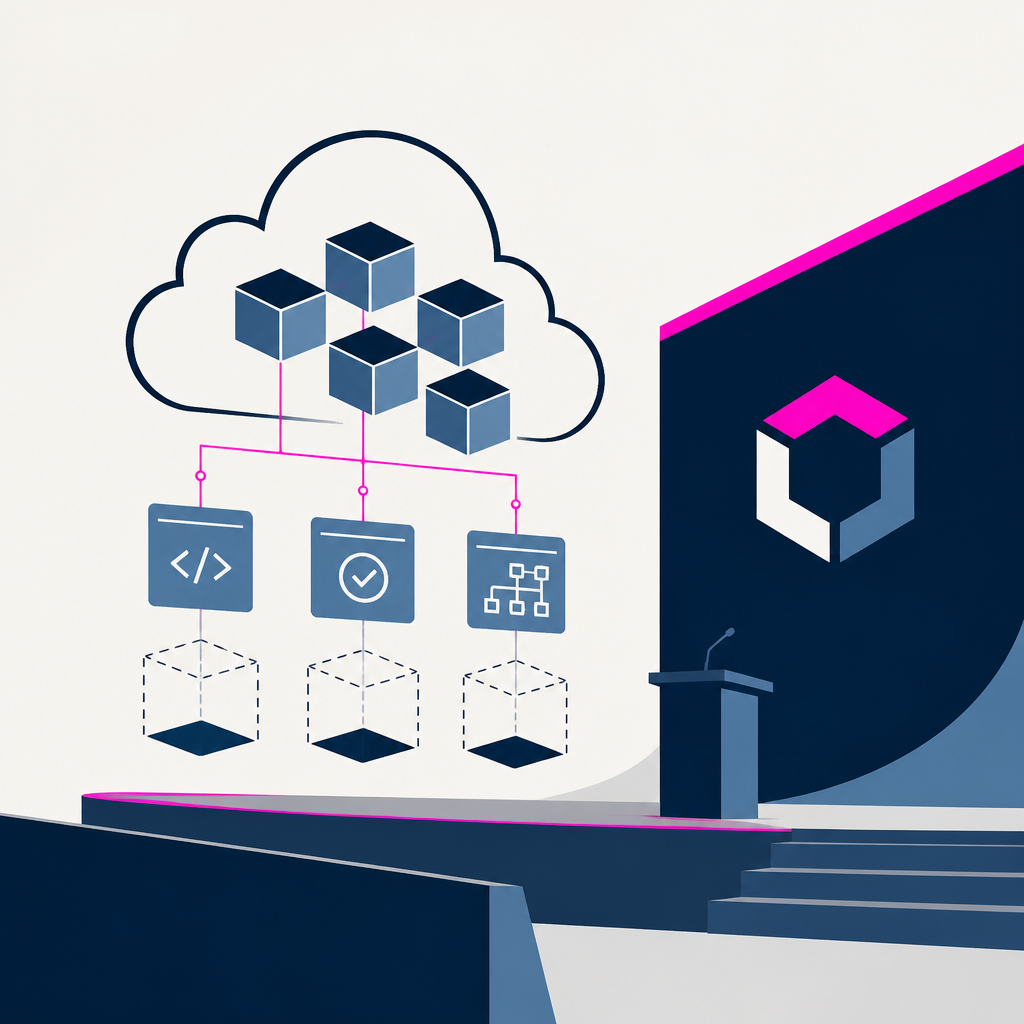
MotherDuck had been heading in this direction already. The company, founded in 2022 by former Google BigQuery engineering lead Jordan Tigani, is built around DuckDB and a hybrid model that lets queries run locally, in MotherDuck’s cloud, or both. It has raised about $100 million. More recently, it has moved from storage and querying into agent execution, first with MCP access and then with Flights, a June feature that exposes a general-purpose Python runtime so agents can create, run and schedule data pipelines. Tower was the infrastructure underneath that feature.
That made the buyout feel less like a surprise than a confession. Tigani says MotherDuck initially hoped to recommend a third-party tool to customers, but AI changed the problem. Claude, he argues, can help write connectors; it can’t provide sandboxing and scheduling. Tower could, and it let MotherDuck ship Flights in weeks. Once jobs created inside MotherDuck were actually being executed by Tower, the company stopped seeing the runtime as a rentable feature and started seeing it as part of the foundation.
There’s a product story buried in the acquisition too. MotherDuck wants to combine Flights with Dives, its AI-generated visualization feature, so a Flight can expose stable URLs that act like data APIs while a Dive builds the front end around them. That would let agents and users build richer applications without handing broad write access to the underlying data. For Tower customers, the next step is migration toward MotherDuck, even if the products are not identical yet. MotherDuck also plans to eventually merge Tower-backed Flights with Ducklings, its serverless DuckDB instances, into one system with faster startup and stronger sandboxing.
My take — AI-written commentary, not fact-checked reporting
This is the part of the AI-infra boom that actually makes sense: if a product depends on the execution layer, owning the execution layer is not some grand strategic theory, it’s just adult supervision. The open-vs-closed debate gets a lot more interesting when the “agent” is only as safe as the sandbox under it. And yes, the industry will keep pretending it can rent the foundation right up until the foundation gets a logo change.
Read more about this at: The New Stack