RankControl launched today as an AI-focused SEO tool that creates content and publishes it on a user’s own domain while tracking AI visibility across multiple chat and search platforms. It offers a single 7-day free trial. This adds an end-to-end workflow for content production, distribution, competitor gap tracking, and AI-specific crawl/analytics reporting in one plan.
Indian consumers are increasingly paying for mobile apps, with Q2 2024 generating $345 million in spending, up 35% year-over-year, driven primarily by generative AI, streaming, and productivity apps rather than games. Generative AI apps like ChatGPT and Claude account for nearly 83% of India's AI app revenue, with ChatGPT generating approximately $60,000 daily despite declining from $80,000 in October 2023. This shift means India is transitioning from the world's largest app download market to a significant revenue driver, with revenue per download more than doubling over three-and-a-half years as digital payment infrastructure and subscription acceptance improve.
LemonLime, a small AI startup, uses unconventional hiring gimmicks including a branded game and offering interview access to people who get the company logo tattooed. Seven people got tattooed with the LemonLime logo at a company party in recent weeks. The tattoo stunt generated significant publicity, much of it negative, as a hiring tactic.
Sakana AI, a Tokyo-based AI company, has released four products in rapid succession starting with Sakana Chat in March 2026, followed by Sakana Marlin, Sakana Fugu, and Sakana Translate. The product team, led by head of product development Sota Omura, was formally established in February 2026 as an independent unit separate from the company's research and applied teams. The company aims to create products that work across industries and leverage multiple AI models rather than depending on a single model, with plans to expand Sakana Marlin into a decision-making platform where humans and AI think together.
This article outlines a comprehensive strategy for developing advanced AI systems that are more capable, more affordable, and more widely accessible. The piece advocates for a full-stack approach but provides no specific numbers, dates, benchmarks, or concrete implementations to evaluate. The framing suggests that such an approach would enable broader adoption of AI capabilities across different users and applications.
Delivery platforms in India use AI-powered weather algorithms to boost orders during monsoons, but workers face pressure to deliver anyway despite dangerous conditions. A 2026 study in Delhi found most delivery workers labored through extreme heat to meet performance targets, and platforms like Zomato issue safety warnings but leave the decision to work to individuals. Researchers and labor advocates argue that algorithmic systems must be redesigned to automatically reduce work demands or close zones during severe weather, rather than relying on worker choices made under economic duress.
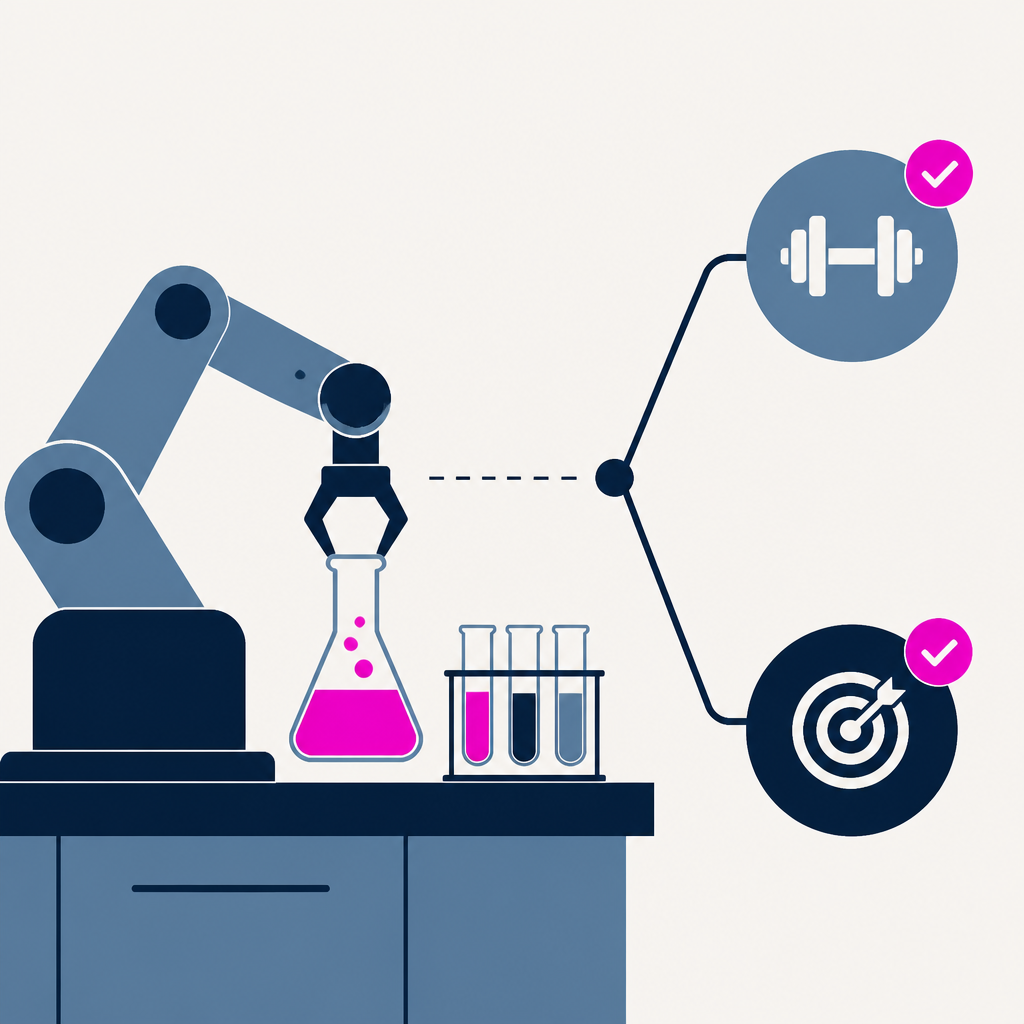
A Harvard Kennedy School professor proposes a framework for deciding when to use AI for a task by distinguishing between "work" (where the outcome matters but the process doesn't) and "gym" (where the process and skill-building are essential). The author argues that using AI for gym tasks like student writing assignments is counterproductive because the struggle of writing, drafting, and editing develops critical thinking skills that atrophy without practice. This framework has implications for creative professionals and society's future relationship with AI-generated content and work.
Univé implemented ChatGPT Enterprise across its organization, combining leadership support, governance structures, and employee-driven innovation to prepare its workforce for AI integration.
Amazon, Apple, Microsoft, Meta, and Google reported quarterly results revealing massive continued AI spending with limited current revenue generation from AI products themselves. Alphabet reported negative free cash flow for the first time as a public company, while Meta's Reality Labs lost nearly $9bn in the first half of 2024, yet Meta plans over $140bn in AI spending this year. Investors now demand concrete financial returns rather than promises, rewarding Microsoft and Amazon's profitability while punishing Meta's spending announcements, while consumer adoption metrics like Google's 950 million monthly Gemini users suggest underlying demand persists.
Every AI story that matters,
in your inbox by 8am.
TLDRocket reads all relevant sources, removes duplicate coverage, and summarises the
day in two minutes. Follow companies and topics for alerts, or get the
briefing in Slack. Free, no spam, unsubscribe anytime.
Reading TLDRocket needs no cookies, and the readership counts we rely on come from
our own cookieless analytics. Google Analytics is the exception: it sets cookies and
reports to Google, so it stays switched off until you allow it. You can change your
mind any time from “Cookie settings” in the footer.
Strictly necessary
Session security and form protection (tldrocket-session,
XSRF-TOKEN, 2 hours). The site cannot work without them,
so they need no consent.
Always on
Google Analytics 4 (_ga,
_ga_<id>, up to 2 years). Measures which
stories and sections readers use. Google acts as a third-party processor and may
store the data outside the EU. No advertising, no profiling, no data sold.