PeakHour 6
Product Hunt 1 month ago 48
PeakHour released PeakHour 6 as a real-time network monitor for Mac with an on-device AI Advisor that grades Wi‑Fi connections.
1233 summarised stories about AI Adoption, each linking back to the original source. Browse all topics →
Product Hunt 1 month ago 48
PeakHour released PeakHour 6 as a real-time network monitor for Mac with an on-device AI Advisor that grades Wi‑Fi connections.
SiliconANGLE 1 month ago 37
Supio described long-horizon AI agents and a “Firm OS” approach meant to orchestrate multi-day legal workflows across case systems and communications instead of handling single tasks. The company says about two-thirds of case work involves communication with external parties other than the client, driving the need for an agentic operational layer. The result is a shift in law-firm AI from point solutions that improve task efficiency to systems that can document and manage work over time while escalating judgment points to attorneys.
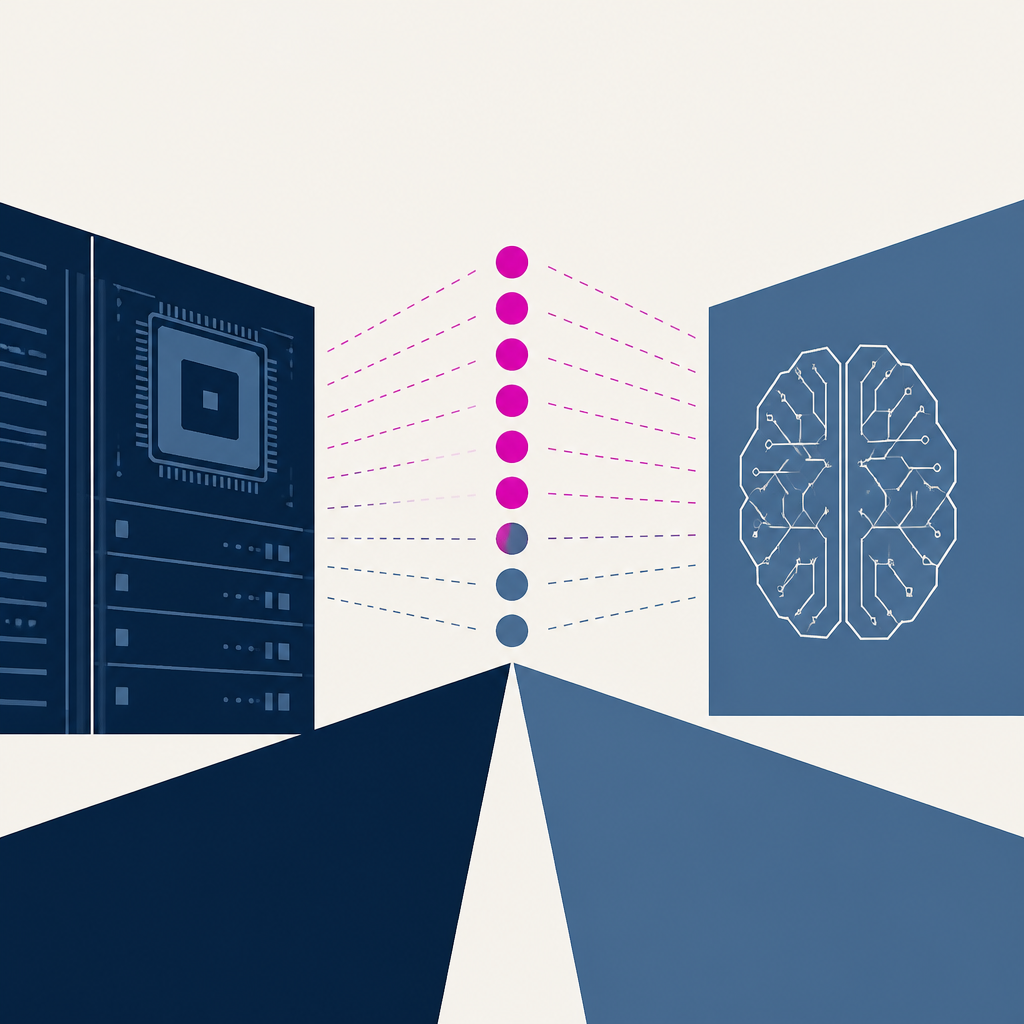
Fortune 25
Black Lake Technologies founder Yuxiang Zhou tested an AI sales coach against his company’s top sales leader, and most senior salespeople backed the machine’s advice. Seven out of 10 of the most experienced salespeople voted for the AI. The results pushed Black Lake to keep exploring AI-led decisions while also emphasizing that human salespeople still provide motivation and a “trust journey” for adoption.
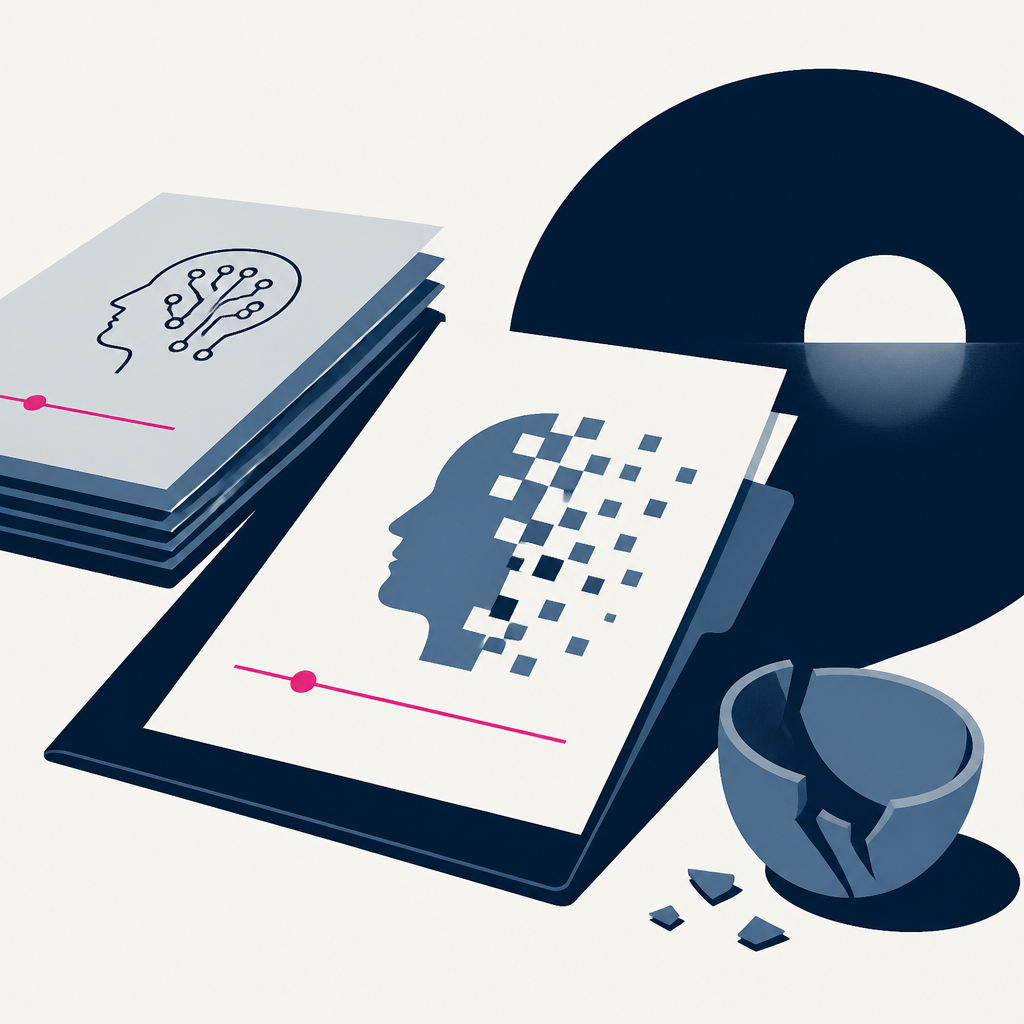
Fortune 23
The adoption of AI in workplaces is producing employees’ “grief” about lost professional identity, trust, and job prospects, which leaders are sometimes dismissing rather than addressing. A Gallup study in August 2026 found employees in organizations deploying AI extensively were significantly more likely to report a worsening workplace culture. Companies responding by listening to employees’ fears are shifting toward mentorship, clearer authorship and transparency norms, and transition support instead of forcing optimism.
Exponential View 1 month ago 32
The article argues that the week of 6th September signaled a turn upward in AI adoption and challenged prior assumptions about how quickly its effects would show up. It cites a plan for Microsoft to raise AI compute capacity from about 2 GW to nearly 13 GW by 2032, with total capacity projected from 12 GW to 38 GW by 2032. As a result, AI spending and revenue growth are accelerating while concerns shift toward economic disruption, model secrecy, and AI safety and frontier-pacing collaboration.
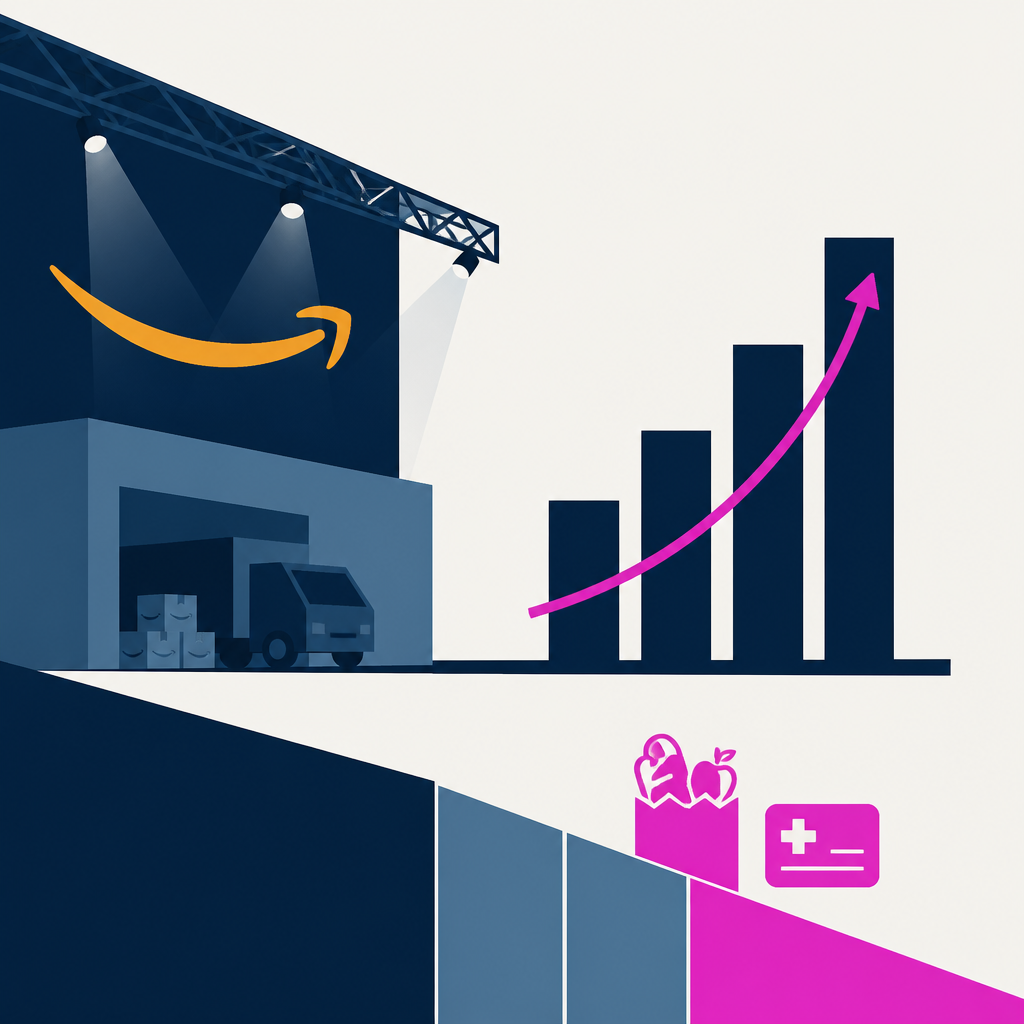
Fortune 18
Amazon has had a large increase in workers relying on federal assistance while it reports strong financial results. A GAO report found 12,346 Amazon workers on SNAP and 11,338 on Medicaid across 11 sampled states. The article argues this reflects a broader decline in labor’s share of economic output and points to tighter labor budgets for families, potentially tied in part to workplace fissuring and AI’s wage pressure.
The daily briefing
TLDRocket reads all relevant sources, removes duplicate coverage, and summarises the day in two minutes. Follow companies and topics for alerts, or get the briefing in Slack. Free, no spam, unsubscribe anytime.
 TLDRocket
19 October 2026
Agentic AI is leaving the lab and heading straight into the messy parts of work—then running into the equally messy parts of security. Atlassian’s “Agentic Multiplayer Protocol” is built around attribution, showing agent contributions in document history so accountability stays with the user, not “the AI did it.” That governance impulse is echoed elsewhere as teams try to treat agents like managed services instead of novelty software: Pax8’s 8os lets IT partners govern multiple vendors’ agents with per-customer separation and hard usage caps, while Motive Technologies pushes fleet automation from passive alerts to autonomous actions, pitching faster ROI through fewer preventable operational problems. Even property management is getting the agent layer, with Vessla aiming to coordinate leasing and building operations while keeping human approval for judgment calls.
Read the full briefing →