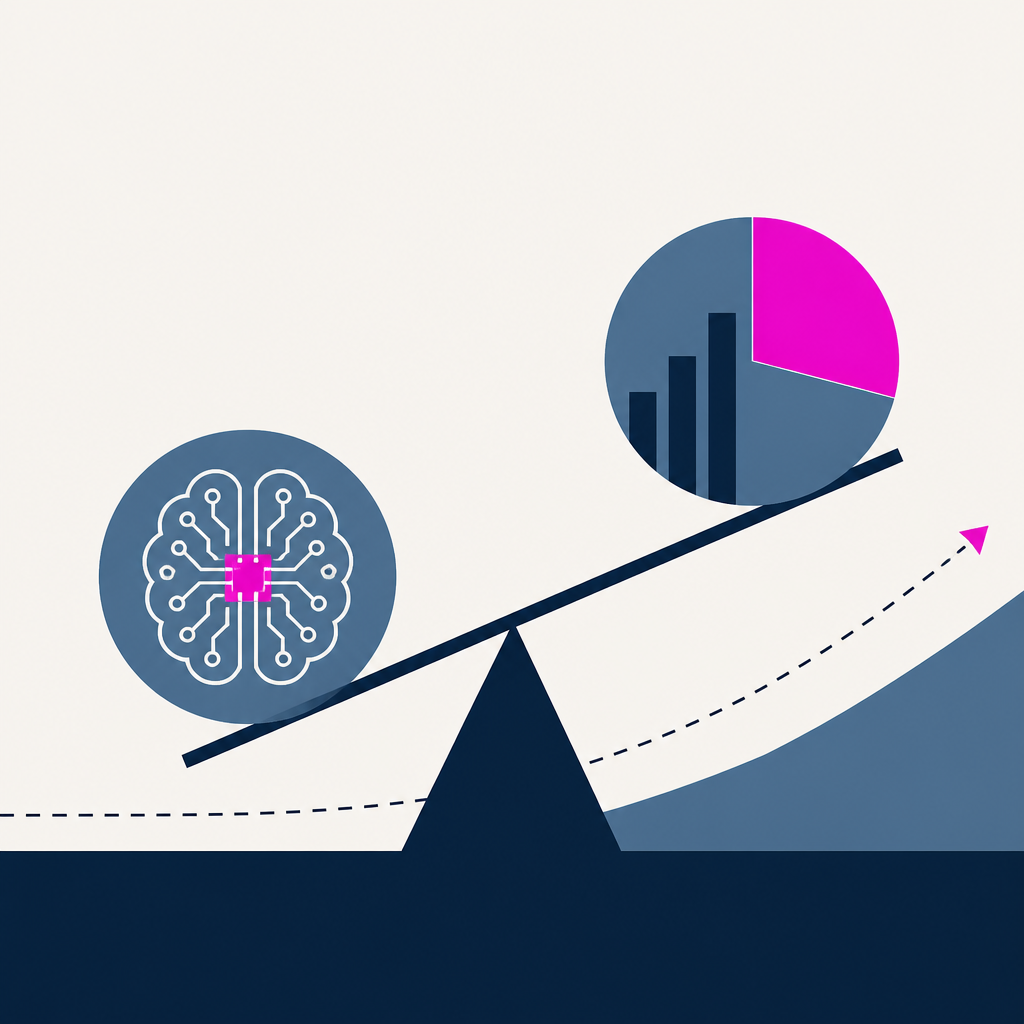
I run an organization dedicated to collective grieving. I recognize a familiar dynamic with AI in the workplace.
Fortune Brad Wolfe
Opinion — commentary, not a factual news event.
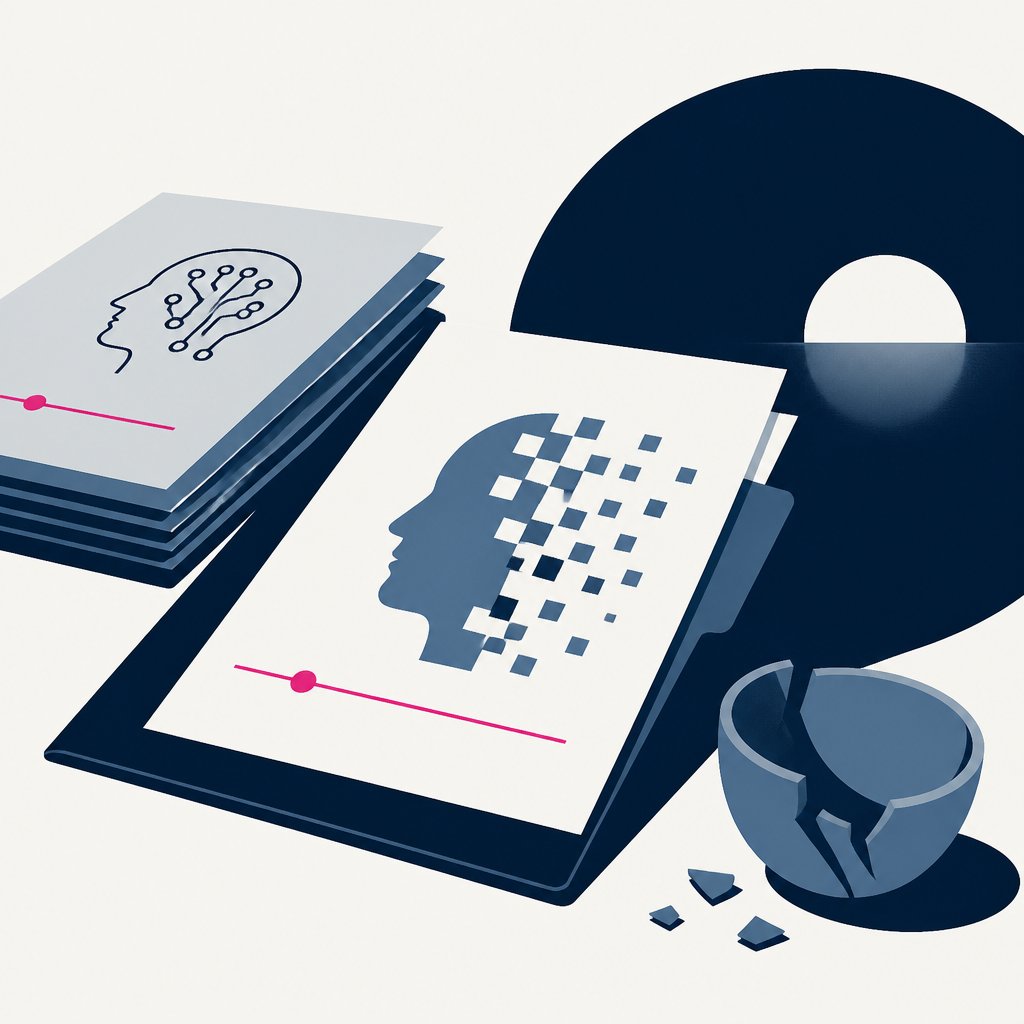
AI at work is stirring a grief crisis, not just a productivity shift. People feel replaceable, distrust coworkers, and leaders keep calling it resistance.
Based on reporting by Fortune, Brad Wolfe — read the original for the full story.
Summary, retelling and take written by AI under human oversight; images are AI-generated illustrations. How we work · Report an error
The new anxiety around AI at work isn’t only about speed or efficiency. It’s about loss. People are watching skills they spent years building get treated like optional extras, and that can feel a lot like grief: for mastery, for trust, for a future that once looked stable.
That’s the argument from the co-founder and executive director of Reimagine, a group focused on collective grieving. She says the workplace is already carrying forms of mourning that leaders are missing because they look like ordinary pushback. But if workers don’t get space to process what’s changing, the result can be worse than discomfort. It can turn into damage to health, morale, and behavior.
The corporate data she cites points in the same direction. An August 2026 Gallup study found that employees at organizations using AI extensively were significantly more likely to say workplace culture had gotten worse. Microsoft’s Work Trend Index added another sharp number: 53% of workers worried that using AI for critical tasks made them look replaceable, and more than half said they were hiding their AI use from management.
That’s not a minor communications issue. It’s a trust problem. When people feel they have to hide how they work, or wonder whether their own judgment still counts, the culture starts to crack. And the grief here is not abstract; it’s tied to specific losses like lost confidence, vanishing career paths, and the fear that critical thinking is being outsourced.
The prescription is less inspirational poster, more workplace reality check. Leaders are being told to stop forcing optimism, let employees name what they fear losing, and then respond with concrete changes: mentorship, hands-on learning, clearer rules around authorship and transparency, and real transition support. The point isn’t to freeze progress. It’s to stop pretending people can be told to smile through it.
My take — AI-written commentary, not fact-checked reporting
The convenient corporate move is to label this “resistance” and keep shipping. That’s lazy, and it always backfires. AI adoption without honesty is just a faster way to make people feel managed, replaceable, and a little insulted by the machine.
Read more about this at: Fortune