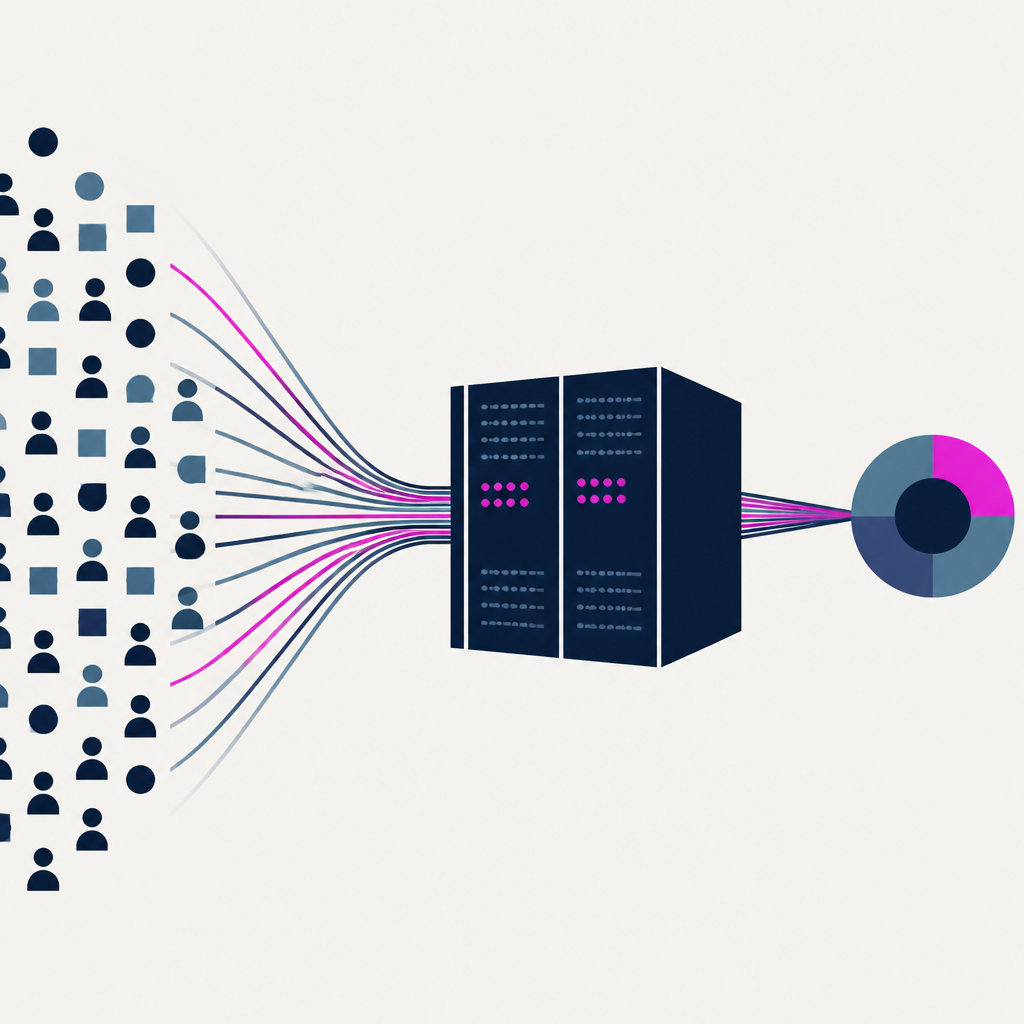
McKinsey said it connects enterprise data for AI use by using a knowledge graph to add the business relationships needed for decisions. The approach is implemented in its EcliptOS AI operating system, which uses a semantic data layer to organize data and relationships for generative AI applications. As a result, organizations can turn unstructured information into structured data and business rules programmatically and point AI improvements at priorities like customer experience.
Jeff Bezos said AI productivity could lead to a future where some people work about three days per week and fewer families rely on two incomes. Bezos’ specific claim is that families could support themselves by working three days a week. Amazon-style restructuring, investor uncertainty, and hiring challenges could follow as companies fund AI experiments and adjust staffing needs.
Consumer AI partner Olivia Moore released a report ranking the top 100 consumer AI apps while arguing the category’s economics remain bleak but may offer opportunity. Only 2.2% of U.S. households pay for AI, and Moore says most consumer revenue is concentrated in subscription and token usage aimed at enterprise or prosumer users. The focus shifts toward finding non-subscription monetization (like ads) and reducing marginal AI costs as lower-cost models and whitespace categories begin to be filled.
Letra launches today on Mac to turn on-screen text into clipboard text. It costs $5.99 once with no subscription. The update lets users use QR scanning and multilingual OCR plus a searchable history entirely on their Mac.
Amazon launched a new lineup of premium Alexa tablets meant to compete with Apple and Samsung, and it will phase out its Fire tablets while keeping security updates for four years. The Alexa Tablet 12 Pro starts at $499.99 for the 128-gigabyte model, with U.S. sales beginning on Oct. 14. The shift to Android with access to the Google Play store, plus new add-ons like a Pro Pen and Pro Keyboard, changes the tablets from Amazon-optimized devices to more standard Android hardware.
Swedish startups are forecast to raise more capital in 2026 as the country points to long-running conditions that support inventor-founded companies. The total is expected to reach $5 billion in 2026, up from $3.2 billion in 2025. This reframes Sweden’s startup growth as a sustained, repeatable model rather than a temporary spike and links future value to longer-horizon deeptech and real-world problem solving.
Instinct launched an invite-only AI agent built around a text-message interface for tasks like booking DMV appointments and follow-up emails. In August, the startup went to market with minimal outward promotion. With Muse and Dots arriving from larger AI companies shortly after, Instinct’s momentum was left in doubt.
Autentic AI raised €1.5 million in pre-seed funding to expand its AI platform for faster market research using simultaneous consumer and expert interviews. The company says it currently runs about 1,000 interviews per day and plans to complete more than 400,000 by the end of 2026. The funding will be used to further automate its research workflow and grow its own pool of verified participants to reduce reliance on third-party panels.
Exit51, a Vienna-based advisory firm, guides founders through selling smaller profitable startups with an enterprise value target up to about €10 million. The focus transactions include businesses with roughly €250,000 to €1 million in EBIT and up to about €10 million in annual revenue. The firm says it uses a lean team plus AI research and buyer matching to handle these smaller deals while keeping personal support central.
Microsoft is updating Microsoft 365 Family and Premium subscriptions so Copilot and other AI usage features can be shared beyond the primary account holder. The change will allow sharing with up to five other people on a plan. Access to shared AI benefits will roll out over the coming months, alongside existing Office apps and OneDrive storage.
Gallatin AI announced it raised $50 million for its military logistics software platform, Navigator, which U.S. Army and U.S. Air Force customers use to manage supply-chain operations. The Series A round follows a $15 million seed raise in 2024. The funding will go toward hiring more engineers and enhancing Navigator’s AI capabilities, including predictive forecasting and automated planning document workflows.
Every AI story that matters,
in your inbox by 8am.
TLDRocket reads all relevant sources, removes duplicate coverage, and summarises the
day in two minutes. Follow companies and topics for alerts, or get the
briefing in Slack. Free, no spam, unsubscribe anytime.
Reading TLDRocket needs no cookies, and the readership counts we rely on come from
our own cookieless analytics. Google Analytics is the exception: it sets cookies and
reports to Google, so it stays switched off until you allow it. You can change your
mind any time from “Cookie settings” in the footer.
Strictly necessary
Session security and form protection (tldrocket-session,
XSRF-TOKEN, 2 hours). The site cannot work without them,
so they need no consent.
Always on
Google Analytics 4 (_ga,
_ga_<id>, up to 2 years). Measures which
stories and sections readers use. Google acts as a third-party processor and may
store the data outside the EU. No advertising, no profiling, no data sold.