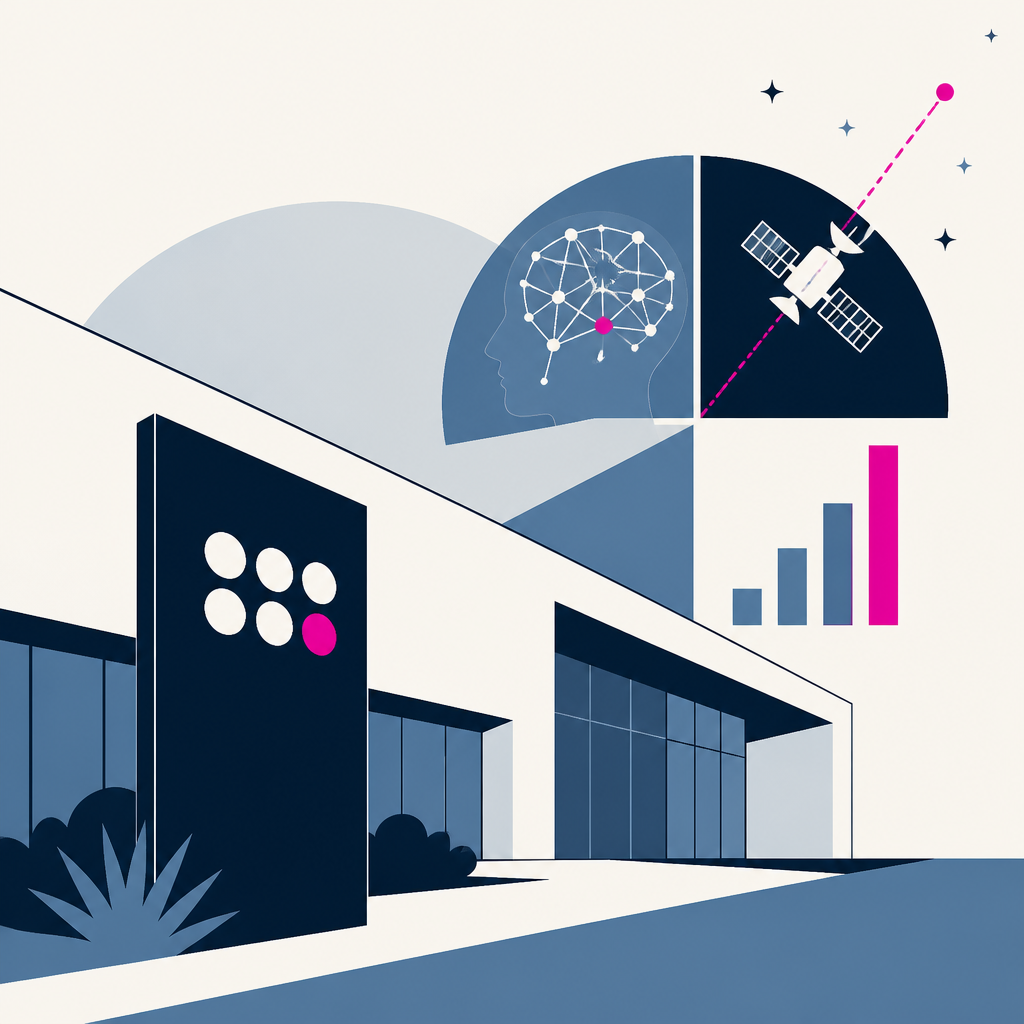
Meta released Muse Wonder and Muse Wonder Full, AI models it says are designed to run personal and professional agents for multistep tasks like insurance claims. The release cites a passing rate of 13.1% on Artificial Analysis’s Harvey Legal Agent Benchmark for Muse Wonder Full. Meta says the models add features that carry context between conversations and help the agent recover when tasks get hard, along with updated safety and benchmark results.
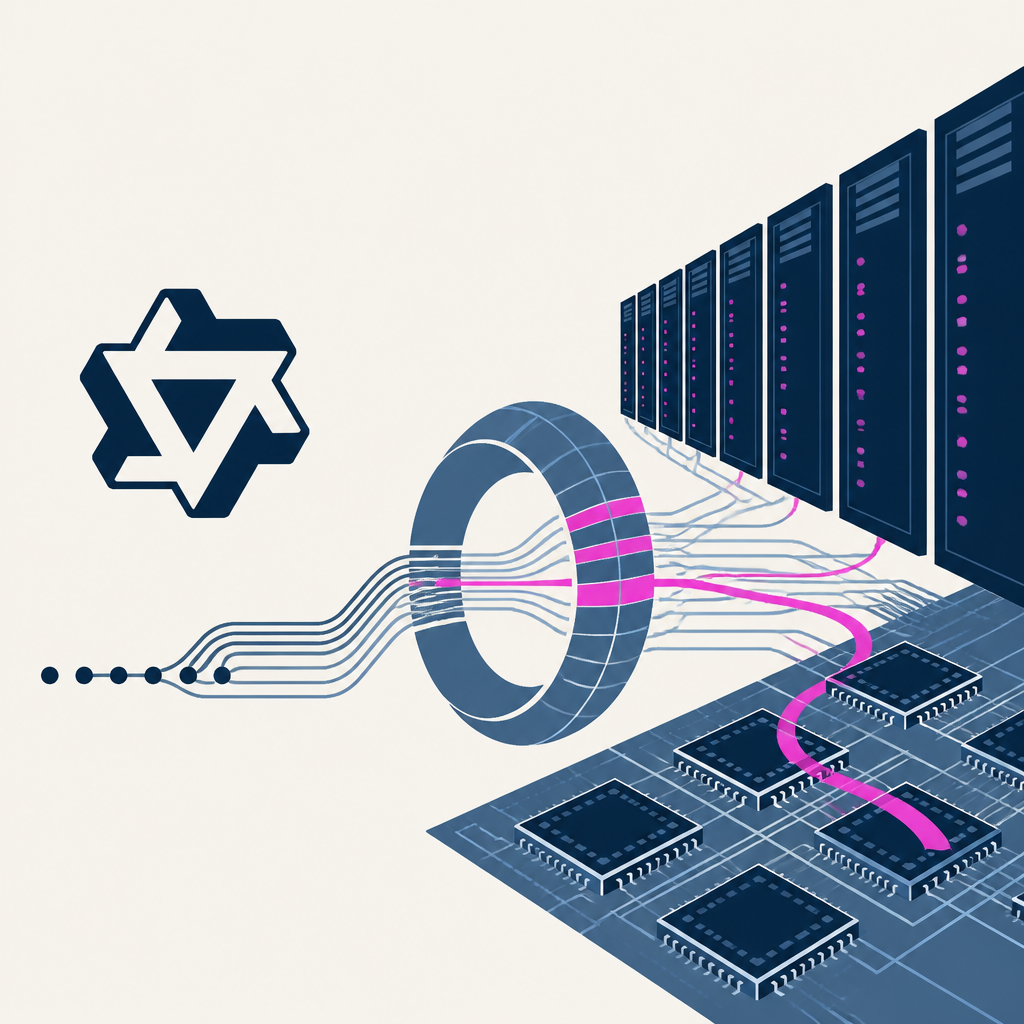
Alibaba’s Qwen team introduced QwenGyre, an elastic reinforcement learning framework for extreme-long-horizon agent training using black-box, unmodified harnesses.
Dell and Intel say enterprise AI teams are rethinking where to run inference because cloud token costs are exhausting budgets faster than planned for growing agentic workloads. Customers are running through allotted token budgets in weeks instead of months. The shift is moving more deployments toward on-premises CPU resources and open-weight models alongside frontier cloud models.
AI governance is shifting to the runtime context as always-on agents run across multiple enterprise platforms, making deterministic controls hard to apply. The article cites 11.4k+ CUBE alumni as part of the event coverage where this runtime governance problem was discussed. As a result, enterprises are moving to validate agent behavior during execution (including endpoint tools) and to limit where agents and LLM calls can operate, while seeking more standardized governance frameworks like the EU AI Act.
Meta’s Superintelligence Lab released Muse Wonder and Muse Wonder Full as its first frontier model attempt. The Muse Wonder API pricing is $4.00 per million input tokens and $20.00 per million output tokens. The release adds a larger, higher-benchmark model for coding and powers the Muse agent, with Wonder Full limited to Muse Code subscribers and not available via the API while emphasizing “active memory” on MemoryBench.
Phasis developed a platform to orient enterprise AI agents using its “World API” and maintained “Worlds” as evidence-backed reality layers. It built an endpoint called “/orient” that returns relevant world frames for an agent to start with, including current state, changes, evidence, and uncertainties. This adds an orientation step before agents search, plan, or strategize so they act with continuously updated domain understanding.
Import AI reports on new AI research and model releases, including Elorian and Scale AI’s benchmark Humanity’s Sixth Sense. It contains 522 questions across 288 images and 234 short video clips totaling 17.6 hours, where humans average pass@1 93.1 but GPT 6 Astra reaches 53.6 and several open-weight Chinese models score around 25–27. The coverage points to continued weaknesses in intuitive visual reasoning and pushes attention toward more open-weight releases and faster moves toward autonomous AI systems beyond Earth (including space scenarios).
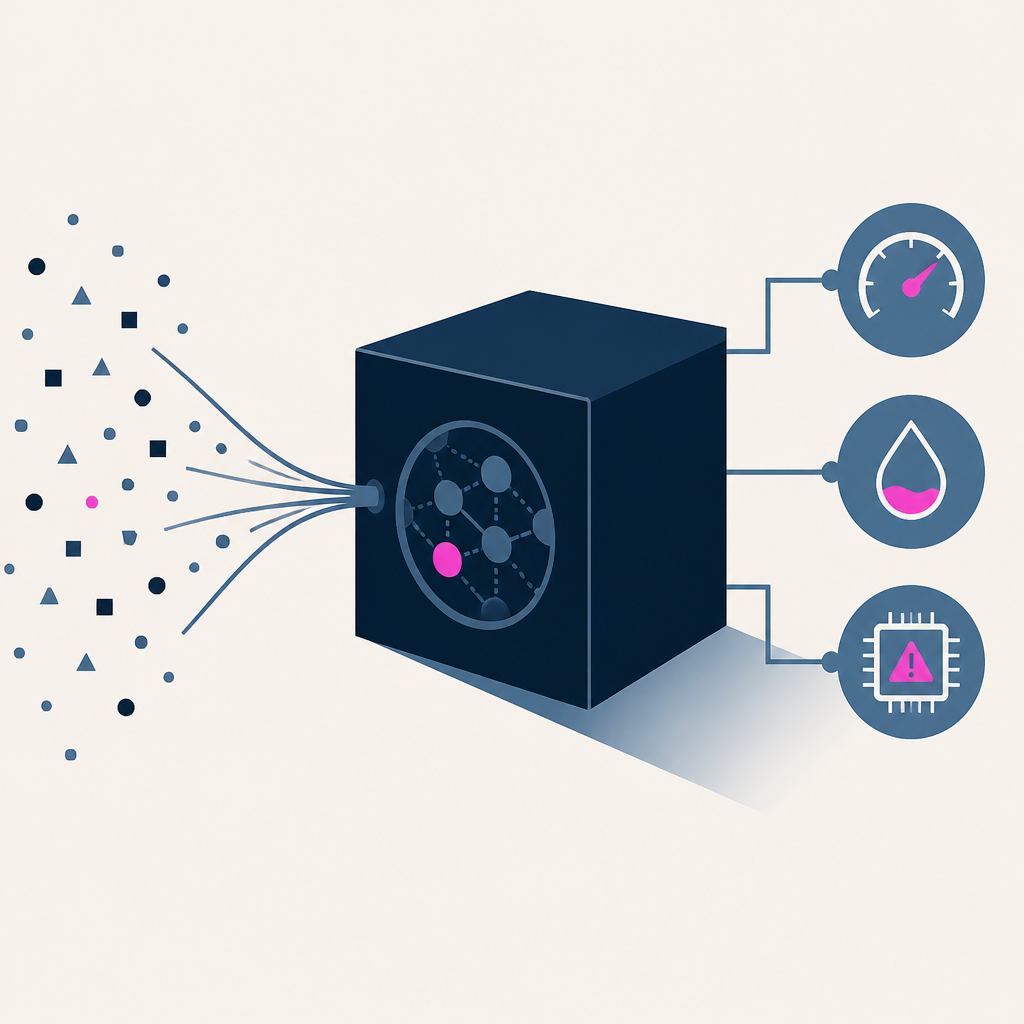
The article outlines how to debug production issues by guiding coding agents using runtime evidence from three investigations. It focuses on three problem types: latency regression, memory leak, and kernel-level hang. The workflow changes to separating facts from hypotheses, using a control for comparison, and validating the suspected cause against all known constraints.
llm-d’s distributed inference framework coordinates clusters of model servers so large LLM inference can handle many concurrent requests, reuse shared prompt context, and manage overload. In a demo, prefix-aware routing captured 97% of the available cache reuse in the tested workload. As a result, redundant prefill work drops and traffic is paced and routed more efficiently across servers, including when requests arrive in bursts from AI agents.
Every AI story that matters,
in your inbox by 8am.
TLDRocket reads all relevant sources, removes duplicate coverage, and summarises the
day in two minutes. Follow companies and topics for alerts, or get the
briefing in Slack. Free, no spam, unsubscribe anytime.
Reading TLDRocket needs no cookies, and the readership counts we rely on come from
our own cookieless analytics. Google Analytics is the exception: it sets cookies and
reports to Google, so it stays switched off until you allow it. You can change your
mind any time from “Cookie settings” in the footer.
Strictly necessary
Session security and form protection (tldrocket-session,
XSRF-TOKEN, 2 hours). The site cannot work without them,
so they need no consent.
Always on
Google Analytics 4 (_ga,
_ga_<id>, up to 2 years). Measures which
stories and sections readers use. Google acts as a third-party processor and may
store the data outside the EU. No advertising, no profiling, no data sold.