Anthropic presented “dreaming,” an asynchronous memory-management process for AI agents, during AI DevCon in London. It runs in batch using allocated resources. Developers and researchers say it could improve long-term agent memory, but they worry about stale or poisoned memories becoming persistent at scale, making provenance, versioning, and rollback more important than memory being searchable or audit-friendly.
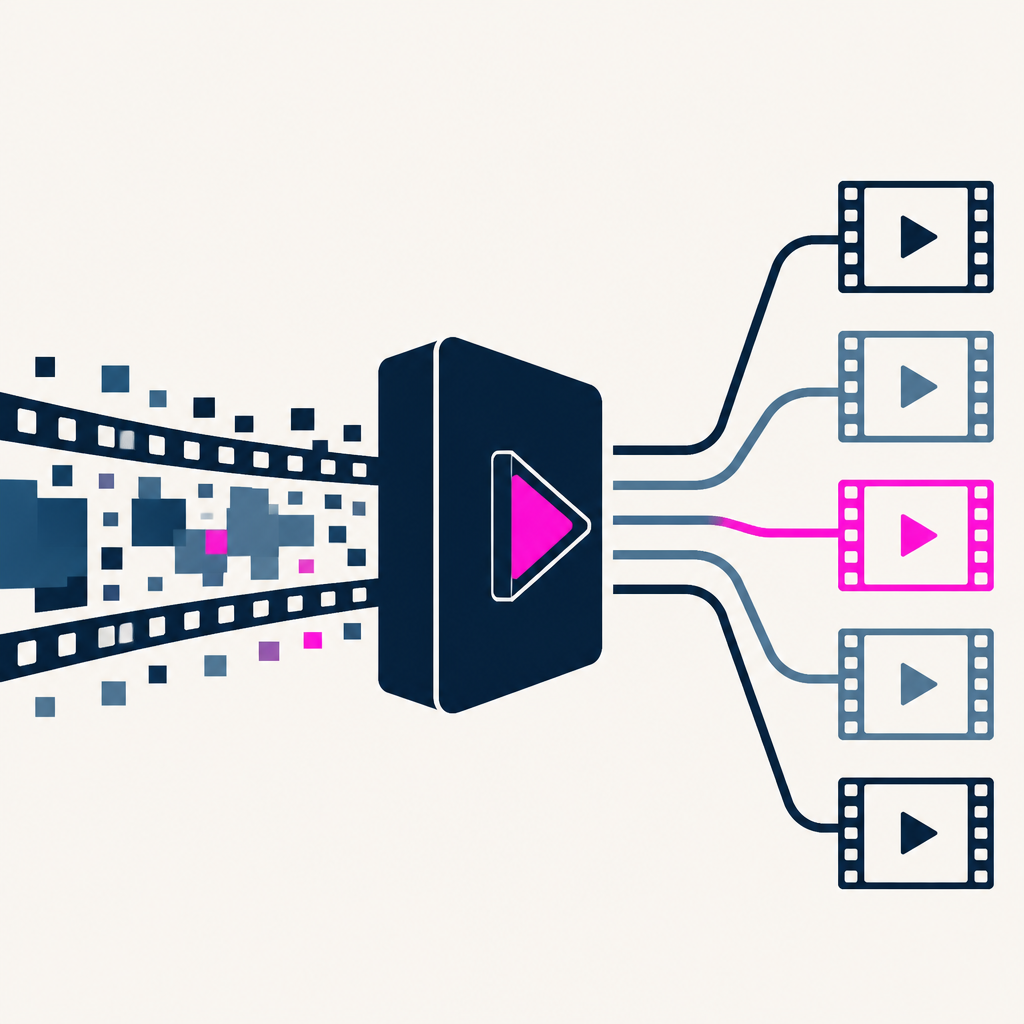
Qencode MCP is presented as a way for AI agents to transcode and process video. The article provides no concrete number, date, or benchmark. As a result, the main change is that video conversion workflows can be handled by AI agents via MCP.
Enterprises moving agentic AI systems into production are focusing less on picking a model and more on controlling the platform that runs them, including cost, data exposure, and infrastructure. Fernandes at Red Hat points to exploding token costs when going from experimentation to at-scale always-running agents. Red Hat says this is driving greater reliance on hybrid, open-source infrastructure and sandbox runtimes so platform teams can govern autonomy, access, and compliance across public cloud, private, sovereign, and edge environments.
Pickle Browser is described as a browser for an AI agent that runs locally in a window you can see. No specific dates, prices, or benchmarks are provided. As a result, the interface is intended to be usable without relying on a remote service.
Every AI story that matters,
in your inbox by 8am.
TLDRocket reads all relevant sources, removes duplicate coverage, and summarises the
day in two minutes. Follow companies and topics for alerts, or get the
briefing in Slack. Free, no spam, unsubscribe anytime.
Reading TLDRocket needs no cookies, and the readership counts we rely on come from
our own cookieless analytics. Google Analytics is the exception: it sets cookies and
reports to Google, so it stays switched off until you allow it. You can change your
mind any time from “Cookie settings” in the footer.
Strictly necessary
Session security and form protection (tldrocket-session,
XSRF-TOKEN, 2 hours). The site cannot work without them,
so they need no consent.
Always on
Google Analytics 4 (_ga,
_ga_<id>, up to 2 years). Measures which
stories and sections readers use. Google acts as a third-party processor and may
store the data outside the EU. No advertising, no profiling, no data sold.