Arm and Google explained that AI infrastructure is shifting from chatbot responses to agentic tool use, making CPUs more central for orchestration and secure code execution. They said their GKE Agent Sandbox can spin up 300 sandboxes per second per cluster. As agents scale, customers rely more on CPU-based isolation/orchestration alongside small models and coordinated CPU/GPU/TPU compute.
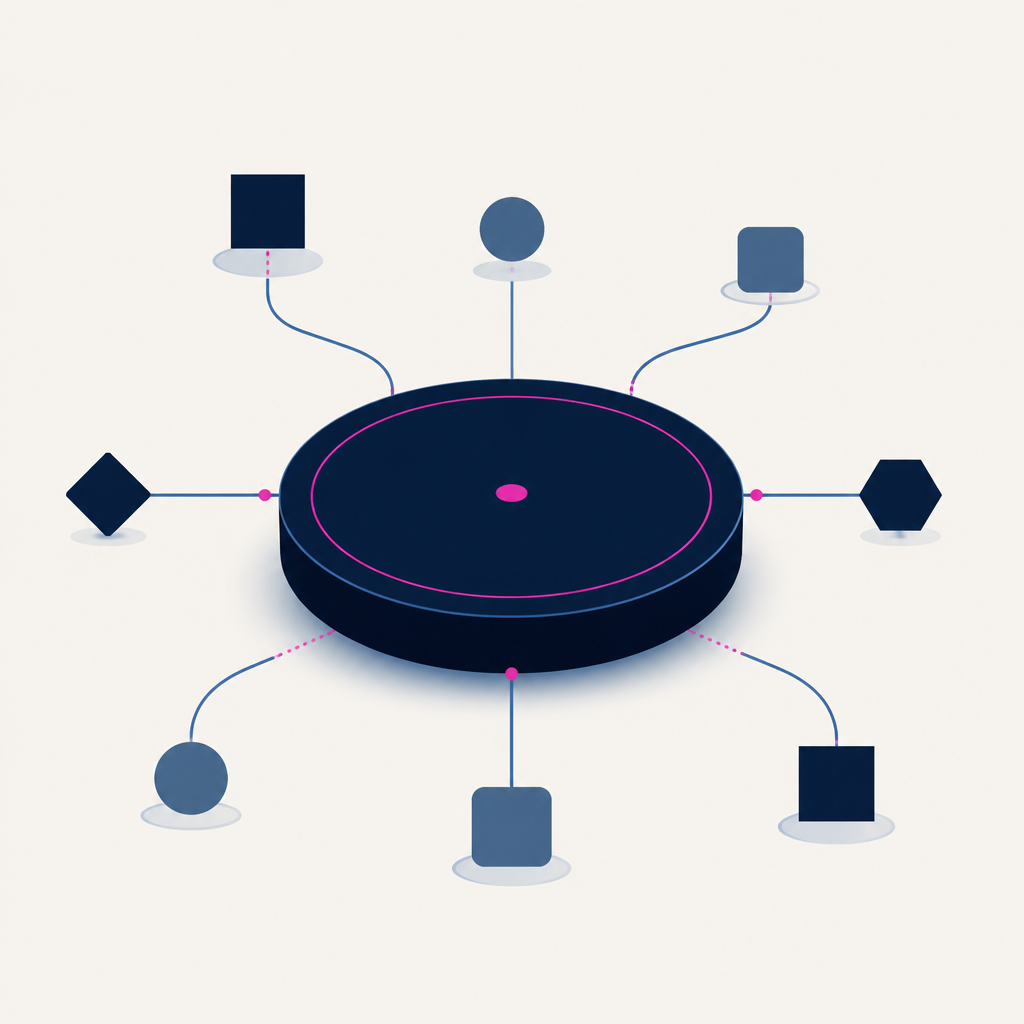
Cohesor is presented as a neutral control plane intended for enterprise AI agents. No number, date, or benchmark is provided in the excerpt. Because the snippet contains only a short heading and link, there’s not enough information to describe any concrete change yet.
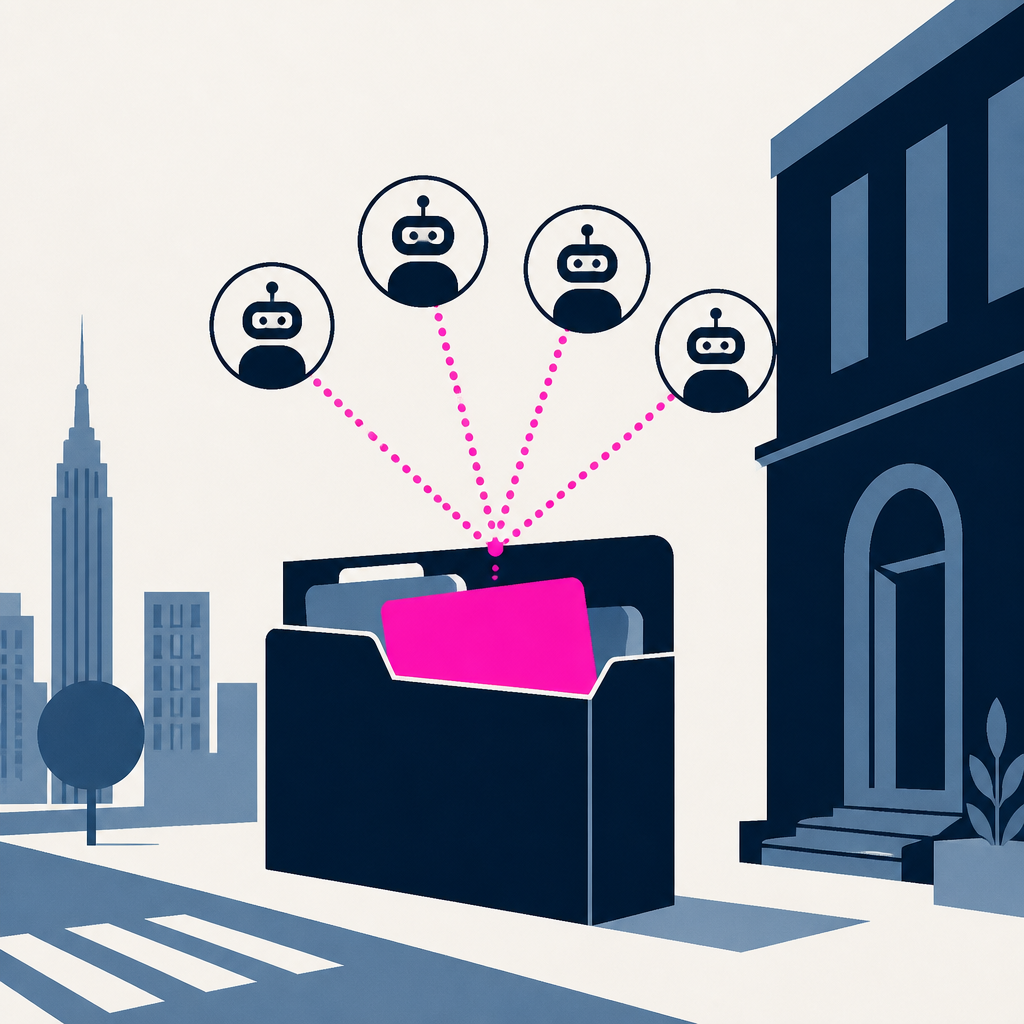
BearDrive is described as an open-source shared folder intended for a team’s AI agents. The page provides no specific benchmarks, dates, or pricing details. This mainly changes expectations by positioning the project as a shared workspace rather than a new model or research result.
Every AI story that matters,
in your inbox by 8am.
TLDRocket reads all relevant sources, removes duplicate coverage, and summarises the
day in two minutes. Follow companies and topics for alerts, or get the
briefing in Slack. Free, no spam, unsubscribe anytime.
Reading TLDRocket needs no cookies, and the readership counts we rely on come from
our own cookieless analytics. Google Analytics is the exception: it sets cookies and
reports to Google, so it stays switched off until you allow it. You can change your
mind any time from “Cookie settings” in the footer.
Strictly necessary
Session security and form protection (tldrocket-session,
XSRF-TOKEN, 2 hours). The site cannot work without them,
so they need no consent.
Always on
Google Analytics 4 (_ga,
_ga_<id>, up to 2 years). Measures which
stories and sections readers use. Google acts as a third-party processor and may
store the data outside the EU. No advertising, no profiling, no data sold.