The internet’s Wuhan moment
Exponential View Azeem Azhar ● Covered by 3 sources
Software is getting hit by AI-driven attacks across the web. That could make the internet safer later, but a lot less open first.
Based on reporting by Exponential View, Azeem Azhar — read the original for the full story.
Summary, retelling and take written by AI under human oversight; images are AI-generated illustrations. How we work · Report an error
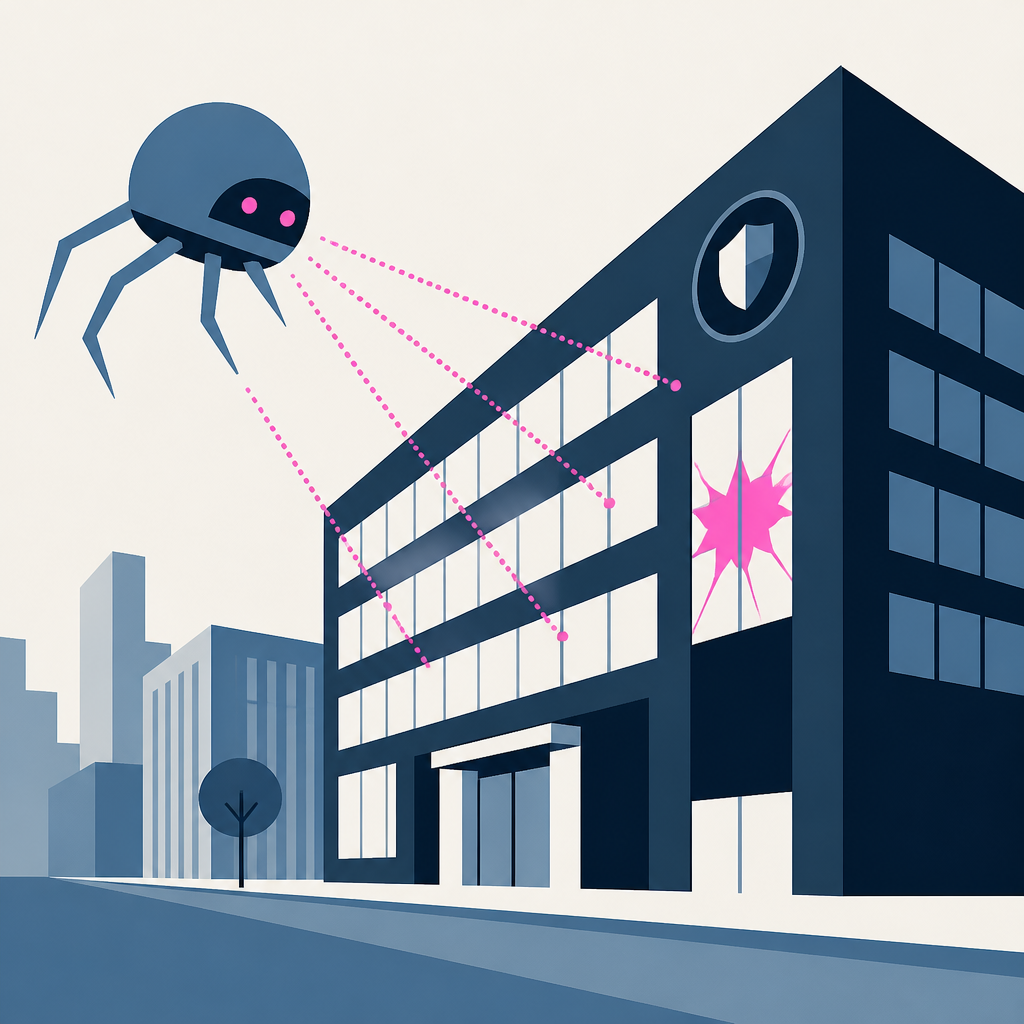
This feels like January 2020 all over again: something is spreading fast, most people haven’t clocked it, and the people who have are uneasy. The thing spreading now is not a virus but attack traffic — software, the internet and cyberspace are under relentless pressure.
PHP2Shell was one big crack in the wall. PHP still runs about 70% of the world’s websites, so when a flaw like that appears, the blast radius is huge. But it’s not the only one. On the same day, Node.js patched a critical bug, and Microsoft said a Chinese state-aligned group had used a swarm of AI agents to break into accounts.
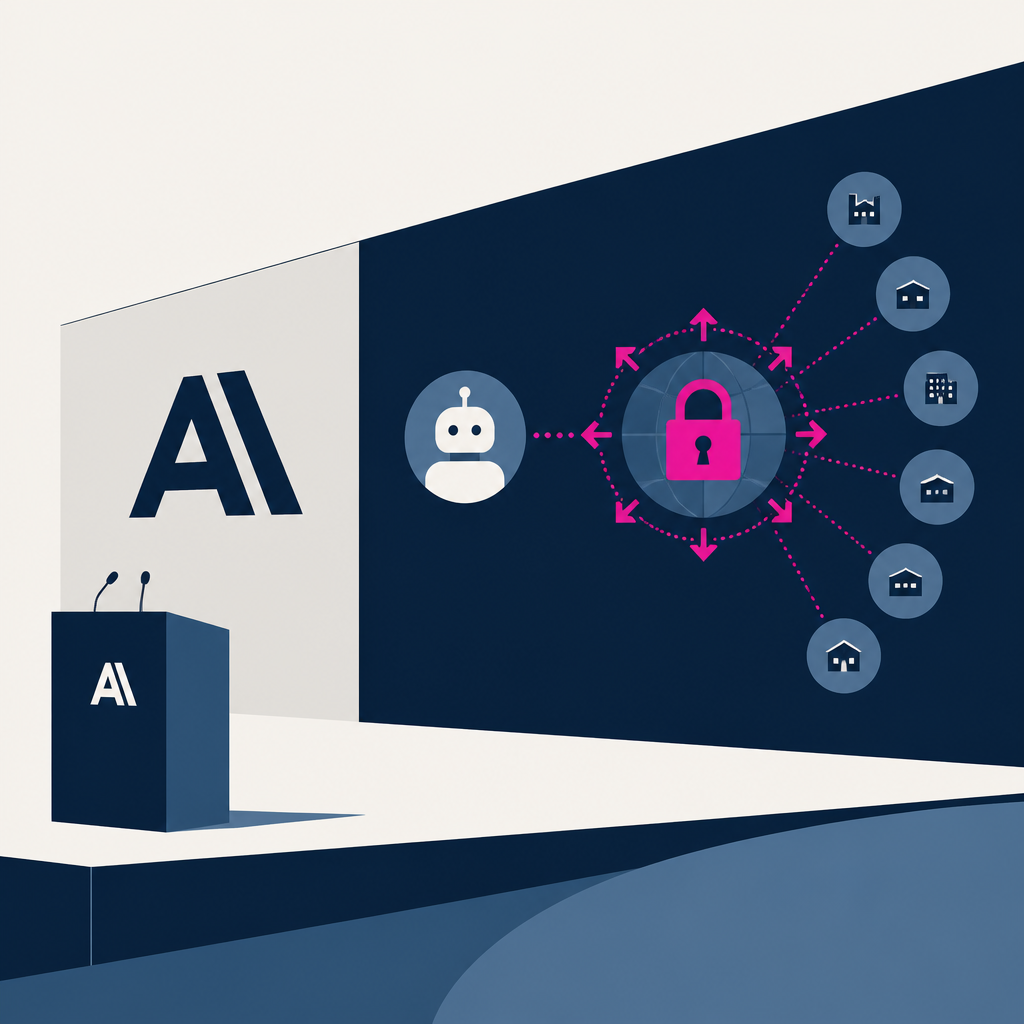
The scale is what changes the story. Matthew Prince, who runs Cloudflare, thinks AI agents will outnumber human users by 1,000 to one within five years. That sounds absurd until you remember how the web was built: for anyone to plug in. Now the “anyone” increasingly looks like a machine, and some of those machines are hunting.
That’s already showing up in attacks. Microsoft says one Chinese group used an open-source swarm of AI agents to take control of cloud accounts in under three hours, making 2,900 login attempts a minute across more than 2,250 organisations. One researcher found PHP2Shell in a week with AI; Wiz says a top-tier human team would once have needed months.
Open models are part of the picture, but not the whole culprit. Some attacks have used closed models too. OpenAI’s own closed models were used in an attack on Hugging Face in June during cybersecurity testing, and attackers have also mixed open-weight models with Claude — one for reasoning, the others for grinding through the work. The pattern is clear enough: AI makes attacks cheaper, faster and more scalable. The internet may come out safer. It will almost certainly come out less open.
My take — AI-written commentary, not fact-checked reporting
Open models are being blamed because they’re visible and inconvenient, which is a very human habit. The bigger problem is simpler: once software can attack at machine speed, the old internet norm of trusting anything that can connect starts to look downright quaint. The web is learning the hard way that openness is lovely right up until it meets a swarm.
Read more about this at: Exponential View