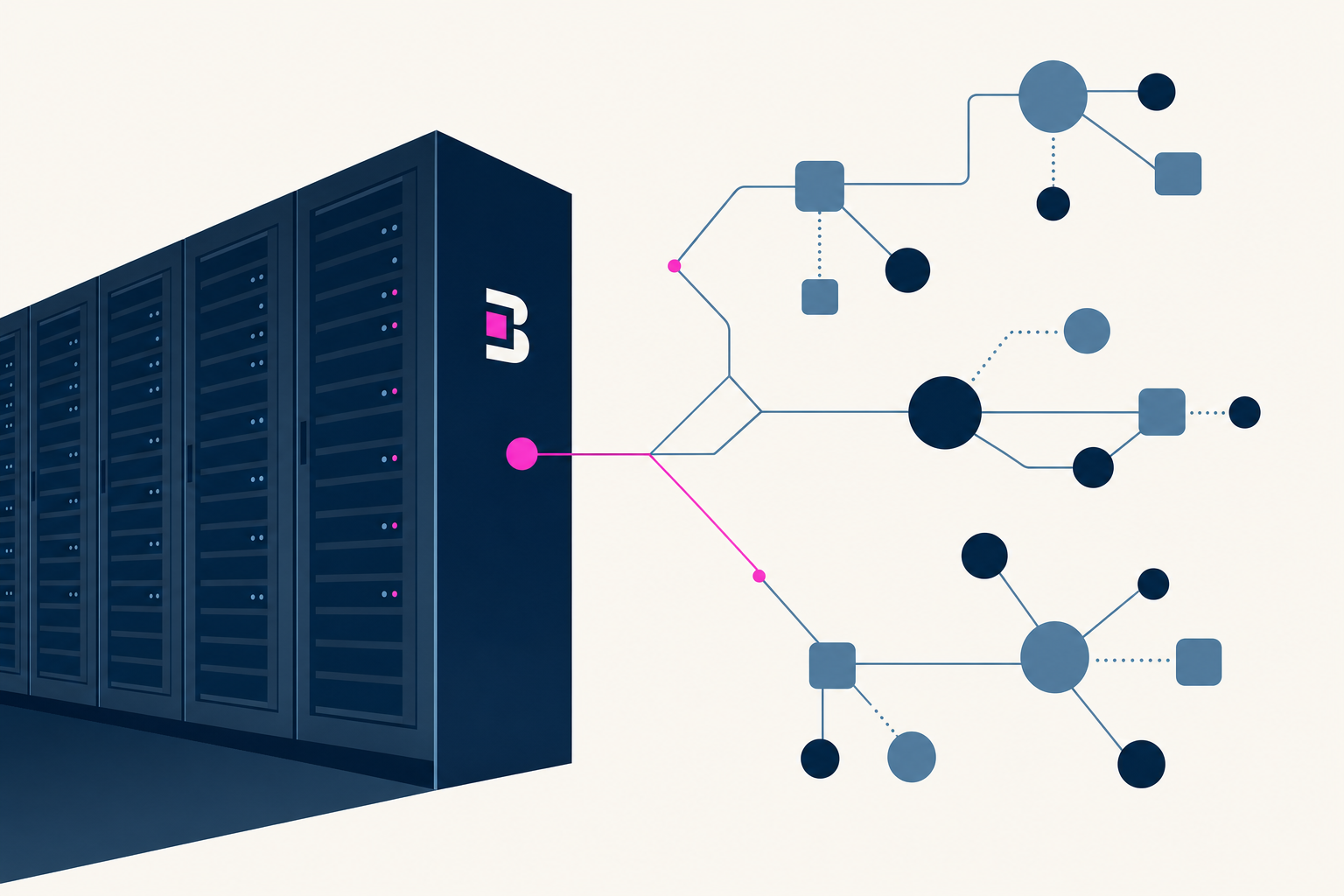
The day’s biggest AI thread isn’t about chatbots—it’s about using models to make old software finally fit for the present. BotMan AI says it’s building an AI migration pipeline that uses knowledge graphs to capture the messy truth of legacy systems—dependencies between apps, business rules, and the actual data models underneath—before rewriting everything into a new architecture. The pitch is simple: instead of moving code in pieces and hoping the context survives, ingest the whole application and let the system migrate it fully autonomously.
Where knowledge graphs do the heavy lifting is in turning institutional memory into something a machine can navigate. BotMan’s approach links unstructured documents to graph entities like people, projects, and products, so agents don’t just “read” policy text—they reuse business context during migration. For enterprises, the practical question is whether this reduces the usual bottlenecks: tribal knowledge that lives in tickets, PDFs, and tribal warnings in source comments. If BotMan can keep that context consistent end-to-end, the payoff isn’t theoretical. It’s fewer handoffs, fewer migrations stalled by missing requirements, and a cleaner path from messy legacy to modern services—without pretending the paperwork was optional.