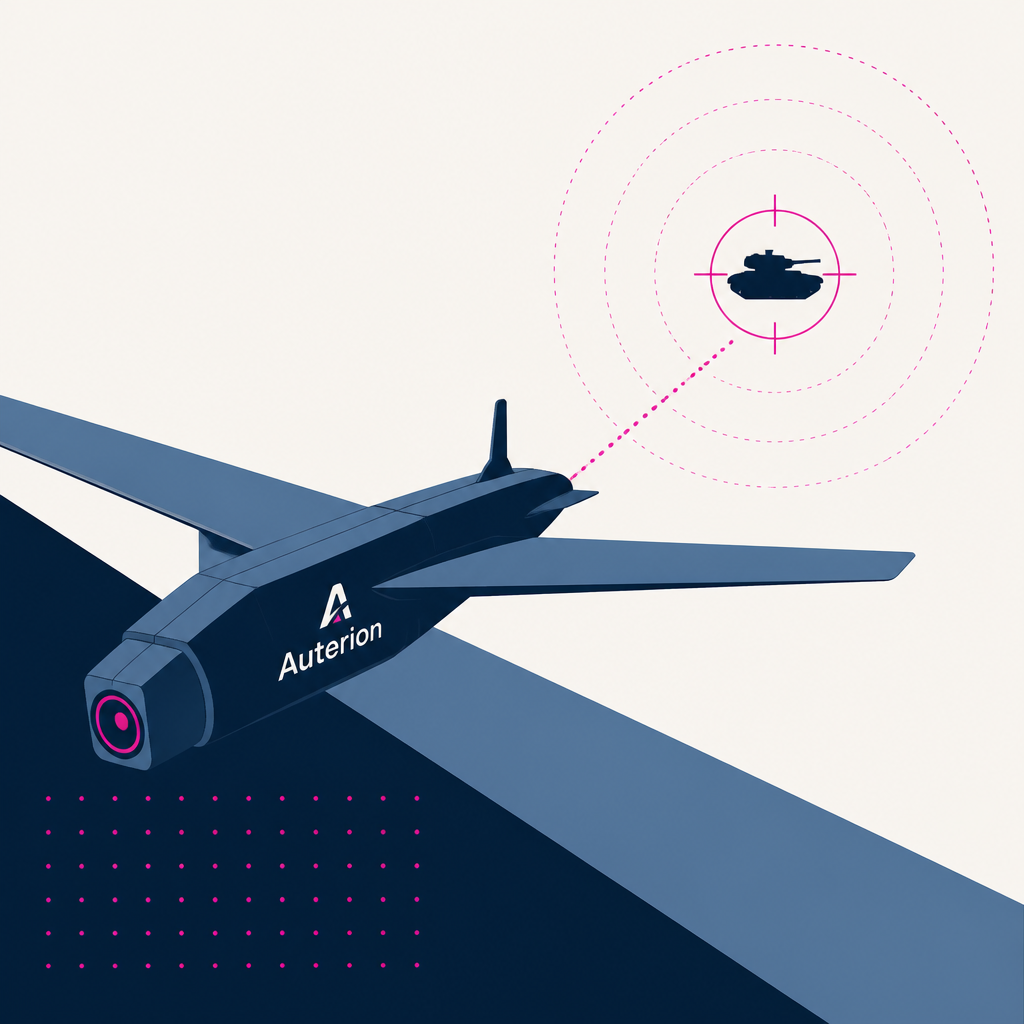
Ukrainian military began deploying Shrike drones equipped with US-developed AI autonomy from Auterion in mid-July, enabling the $400 drones to track and home in on moving targets without operator control. The companies plan to deliver 50,000 equipped drones in coming months. Operators can now designate targets up to half a mile away and switch drones to autonomous fire-and-forget mode instead of requiring continuous manual flight.
MIT Technology Review·2 months ago·
45
● 13 sources
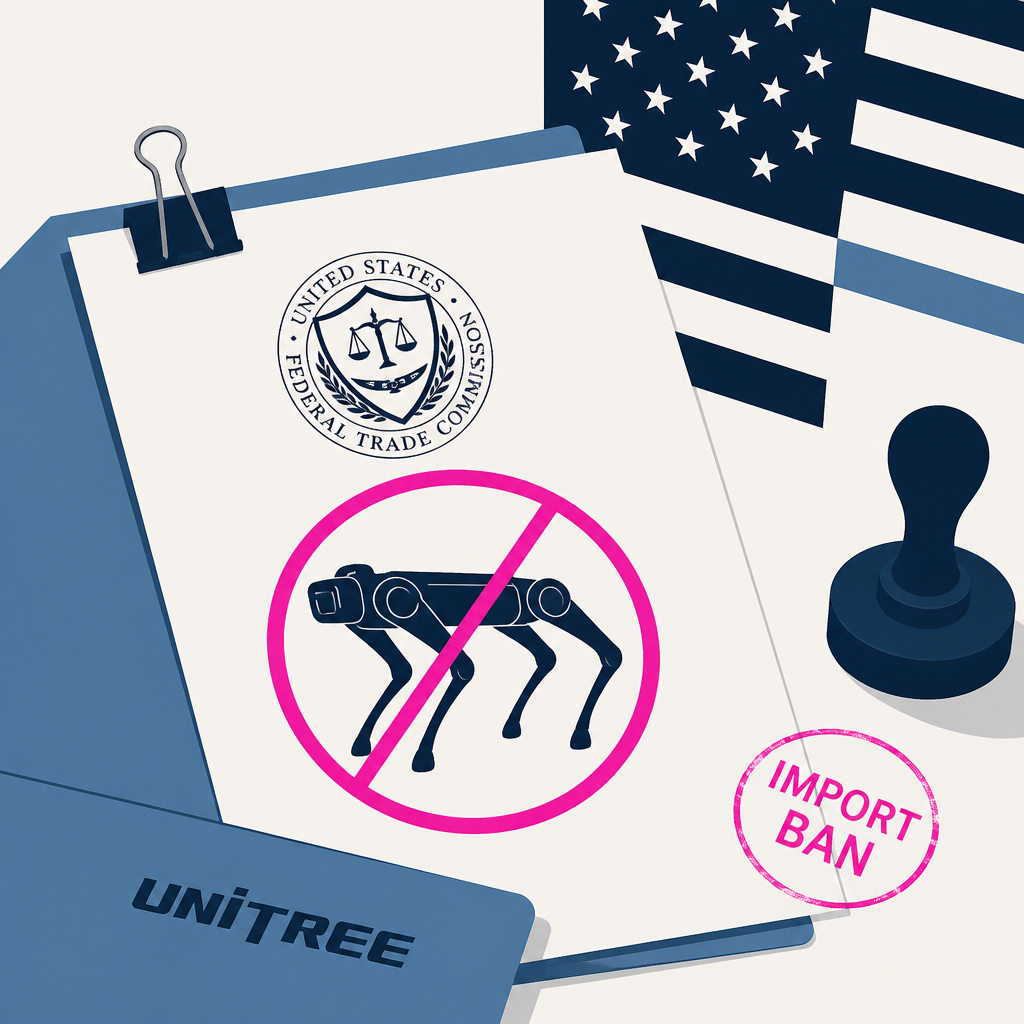
The Trump administration's FTC issued a ban on importing advanced foreign robots, citing national security and domestic industry protection. The ban blocks Chinese robots like Unitree's four-legged models ($4,600) that US researchers depend on, with 90% of recent US university robotics papers using Unitree robots. The restriction could hamper US robotics research and development despite aiming to boost domestic companies, since American alternatives cost vastly more and aren't yet at scale.
Northwestern University researchers built a prototype drone called "Phantom Twist" that rotates its entire airframe up to 25 times per second to exploit human vision's motion blur rather than using traditional camouflage. The team used AI optimization algorithms to test 20,000 configurations, selecting components and layouts that minimize visual detection from all angles while maintaining flight stability. The prototype measures roughly ten times less perceptible than conventional quadcopters, potentially enabling wildlife monitoring and environmental surveys with less observer disruption, though it remains audible and partly visible.
Every AI story that matters,
in your inbox by 8am.
TLDRocket reads all relevant sources, removes duplicate coverage, and summarises the
day in two minutes. Follow companies and topics for alerts, or get the
briefing in Slack. Free, no spam, unsubscribe anytime.
Reading TLDRocket needs no cookies, and the readership counts we rely on come from
our own cookieless analytics. Google Analytics is the exception: it sets cookies and
reports to Google, so it stays switched off until you allow it. You can change your
mind any time from “Cookie settings” in the footer.
Strictly necessary
Session security and form protection (tldrocket-session,
XSRF-TOKEN, 2 hours). The site cannot work without them,
so they need no consent.
Always on
Google Analytics 4 (_ga,
_ga_<id>, up to 2 years). Measures which
stories and sections readers use. Google acts as a third-party processor and may
store the data outside the EU. No advertising, no profiling, no data sold.