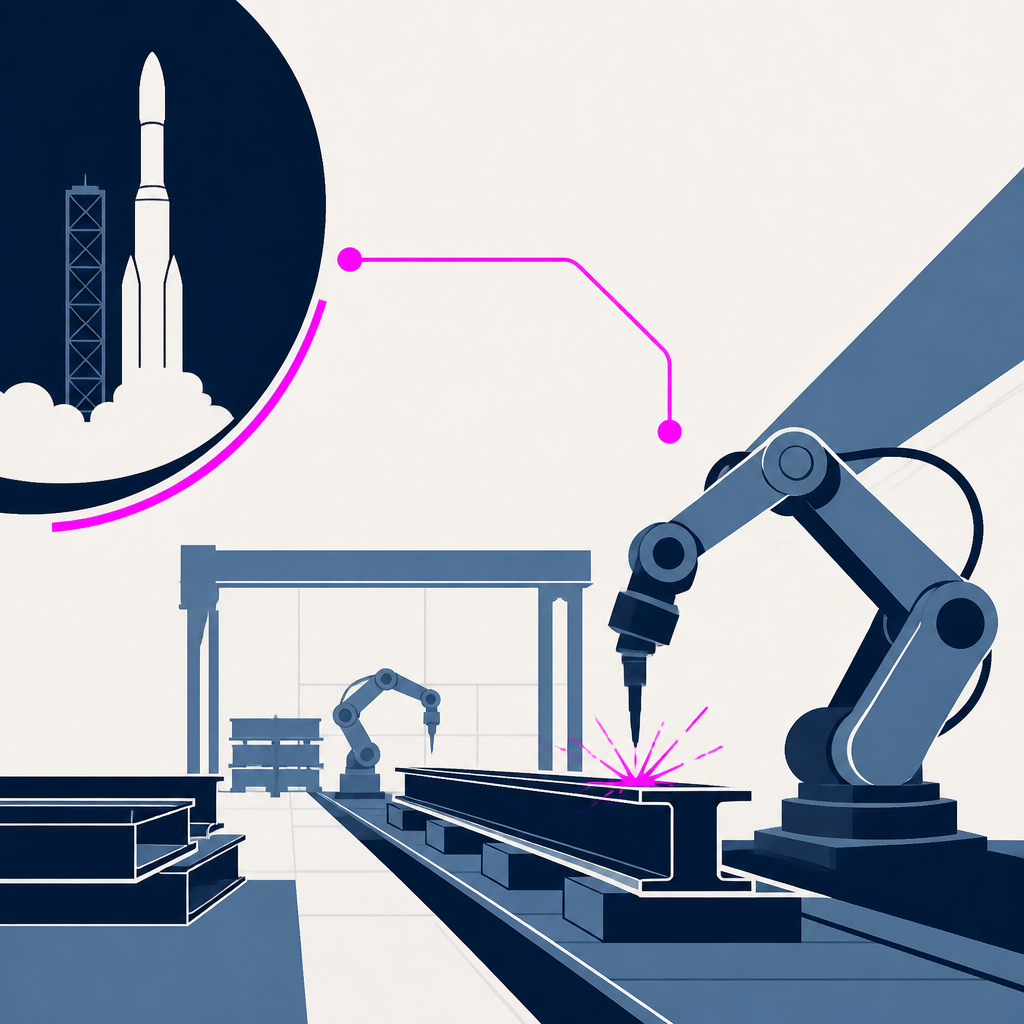
Three former SpaceX engineers are building a robotic steel-fabrication factory using AI-driven software and robots through their startup 1872. Their prototype factory aims to automate most steel fabrication for key infrastructure components by 2027. The work shifts from rocket engines to manufacturing steel skids for clients building AI data centers and small modular nuclear reactors, targeting about 80% autonomous operations.
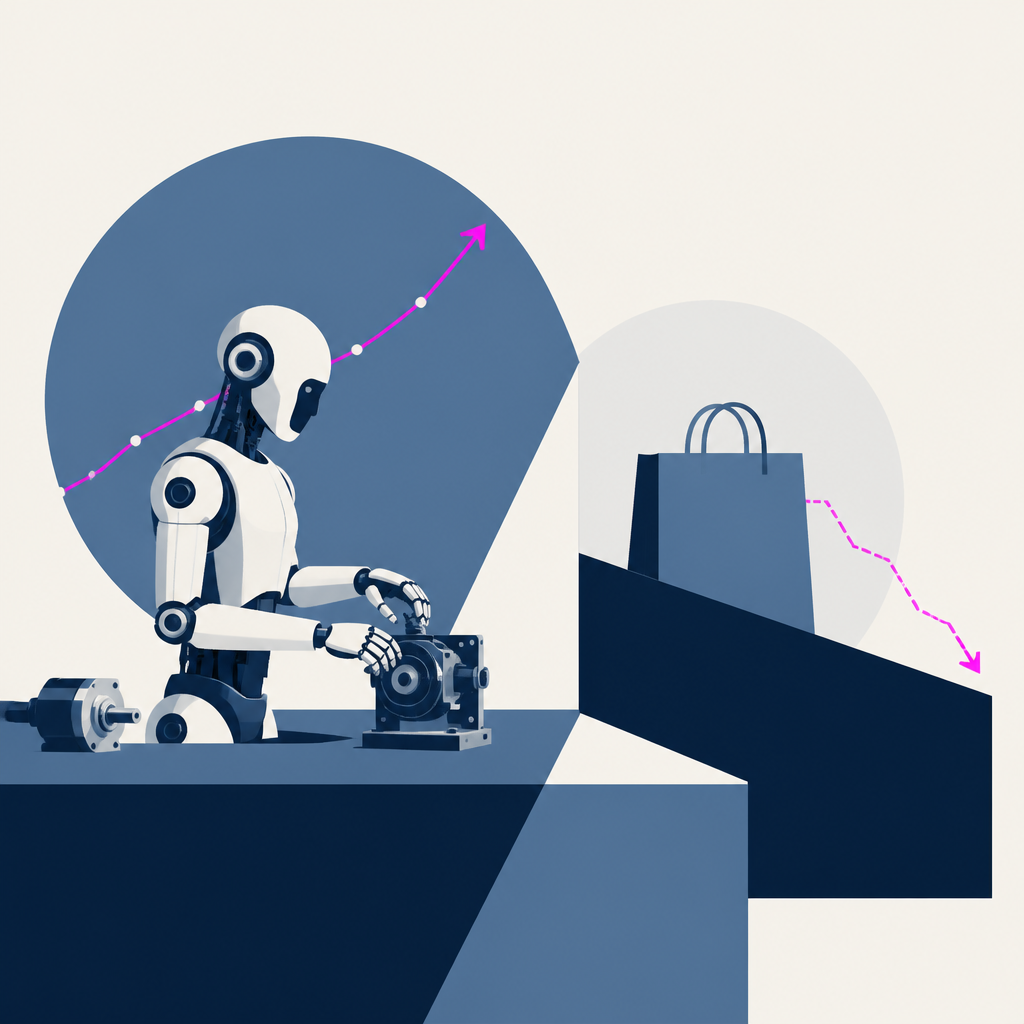
Unitree’s IPO is drawing more investor attention than Shein’s despite Shein aiming to raise up to $3 billion. Unitree is raising 6.1 billion Chinese yuan ($904 million) and says its retail offering was more than 8,000 times oversubscribed. The focus is shifting from e-commerce to AI infrastructure and hardware, while U.S. and EU protectionism pressures Shein’s margins and profitability profile.
SoftBank invested $200 million in Swiss construction robotics startup Gravis Robotics, which announced a Series A and valued the company at about $1 billion post-money. The round is $200 million, with SoftBank as the sole investor. Gravis says the funding will go toward hiring, expanding into more international markets, and increasing the number of its commercially running autonomous retrofits.
Palona raised an early-stage funding round to develop an AI “operating layer” for physical businesses that can sense conditions and coordinate actions across teams and systems. The startup closed a $20 million Series A round led by Ardenwood Ventures. It plans to show its multimodal agentic system in restaurants first with automated sales and operations tools.
The FCC added “advanced robotic devices” to its national-security ban list, blocking new foreign-made humanoids, quadrupeds, robot vacuums, and lawn mowers from entering the U.S. if they are assembled in the U.S. with at least 65% of components by value produced domestically. The domestic-parts requirement will increase to 75% in 2029, which is stranding robotics startups that relied on China’s electronics supply chain for prototyping and component sourcing. Startups say they must restructure manufacturing plans and supply sources, while some research and software teams may shift purchasing toward U.S.-made robots instead.
A 10-year-old neurodivergent boy in New York uses an AI-powered social robot, Moxie, as a practice companion, but Moxie’s behavior and planned purpose for therapy fall short before she is due to die. Moxie originally sold for $1,499 plus a $40 monthly subscription before Embodied later lowered the price to $800. The situation underlines both the promise of embodied, robot-assisted interaction for autism skills and the risks when these devices fail to work reliably for vulnerable children.
Whisker’s Litter-Robot 5 Pro uses AI-based cat identification and sensors to analyze litter-box deposits for individual cats’ usage and potential health flags.
It uses a dual camera system and an array of sensors.
As a result, the robot can differentiate between cats and provide cat-specific litter-box insights rather than treating all deposits as the same.
Every AI story that matters,
in your inbox by 8am.
TLDRocket reads all relevant sources, removes duplicate coverage, and summarises the
day in two minutes. Follow companies and topics for alerts, or get the
briefing in Slack. Free, no spam, unsubscribe anytime.
Reading TLDRocket needs no cookies, and the readership counts we rely on come from
our own cookieless analytics. Google Analytics is the exception: it sets cookies and
reports to Google, so it stays switched off until you allow it. You can change your
mind any time from “Cookie settings” in the footer.
Strictly necessary
Session security and form protection (tldrocket-session,
XSRF-TOKEN, 2 hours). The site cannot work without them,
so they need no consent.
Always on
Google Analytics 4 (_ga,
_ga_<id>, up to 2 years). Measures which
stories and sections readers use. Google acts as a third-party processor and may
store the data outside the EU. No advertising, no profiling, no data sold.