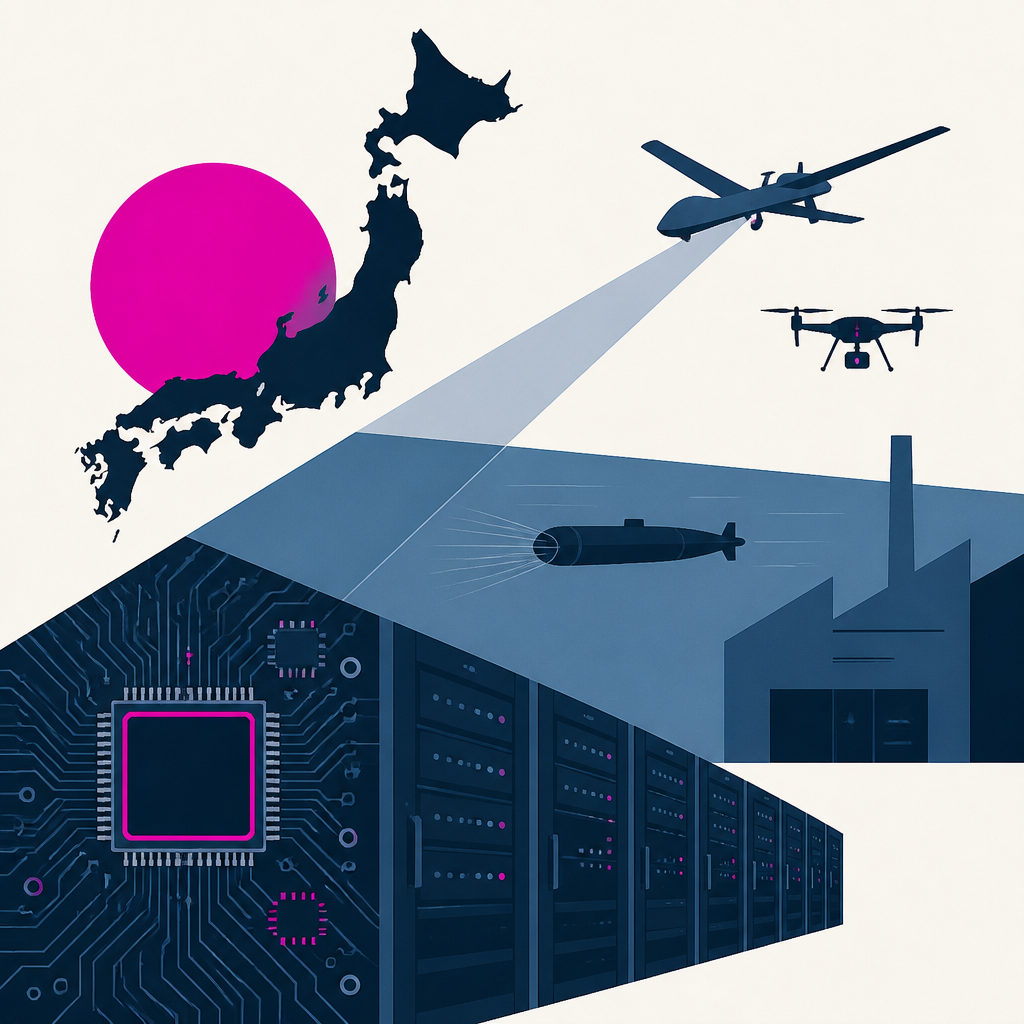
Japan’s Defense Ministry disclosed an 8.9 trillion yen budget request to shift defense strategy toward drones, artificial intelligence, and new warfare methods. The preliminary total is only slightly above the 8.8 trillion yen defense budget requested for the current fiscal year. The plan adds an integrated AI command-and-control platform and calls for domestic mass production of low-cost uncrewed weapons plus state-backed, government-owned factory support to stabilize defense equipment supply.
China’s IPO market has surged on demand for AI and robotics, with major offerings including Shein’s Hong Kong debut and memory-chip maker CXMT’s STAR-market IPO. Over $54 billion in Hong Kong and Shanghai IPO/secondary listing proceeds has been raised so far in 2026. AI-linked listings accelerate toward Hong Kong and Shanghai, while investor worries about an AI bubble and post-listing value declines affect sentiment toward companies like Shein.
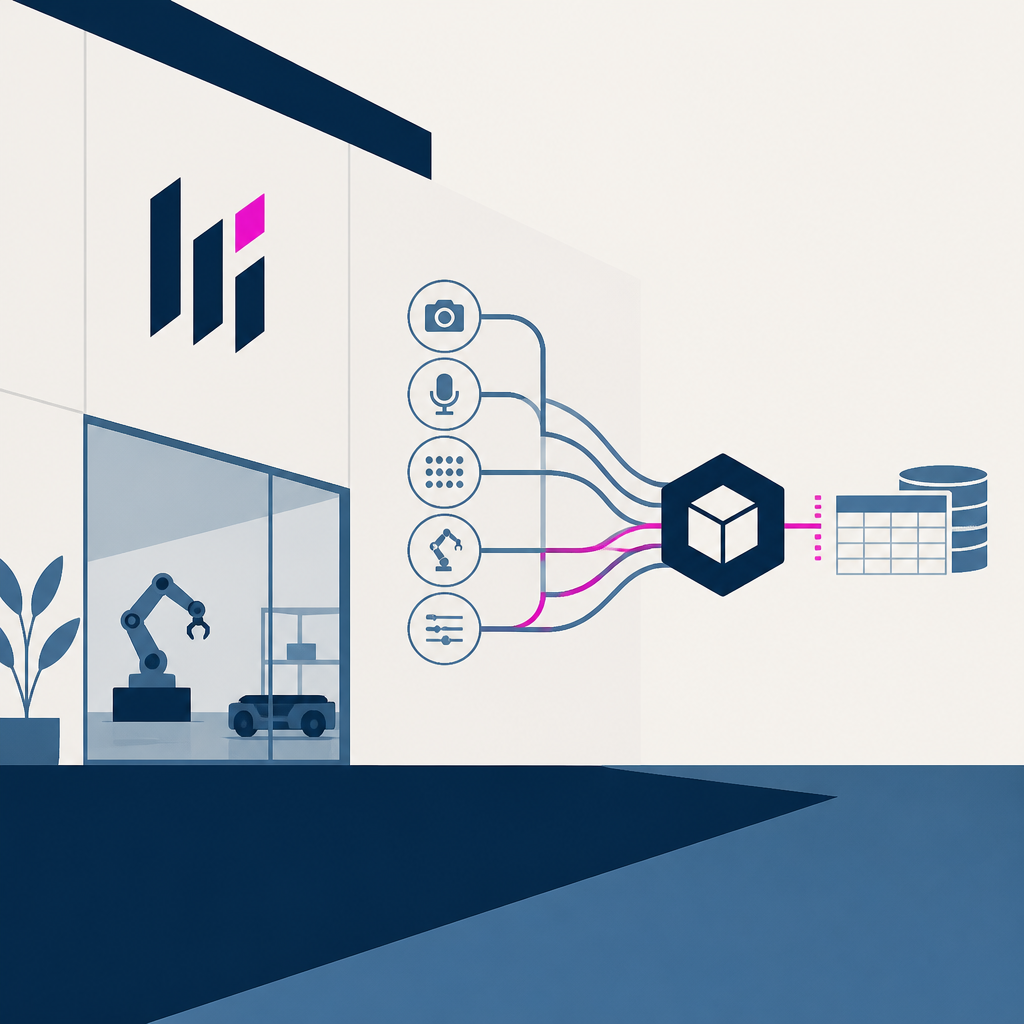
Hebbian Robotics launched HFlow, an SDK that converts synchronized robot and human multimodal recordings into standardized, quality-checked episodes with queryable dataset manifests. HFlow takes one MCAP file per episode and writes a canonical MCAP plus an append-only Parquet catalog. Robotics teams can run the same registered processing steps via Airflow 3 DAGs, query reproducible manifests with DuckDB SQL, and quarantine bad episodes without deleting the underlying data.
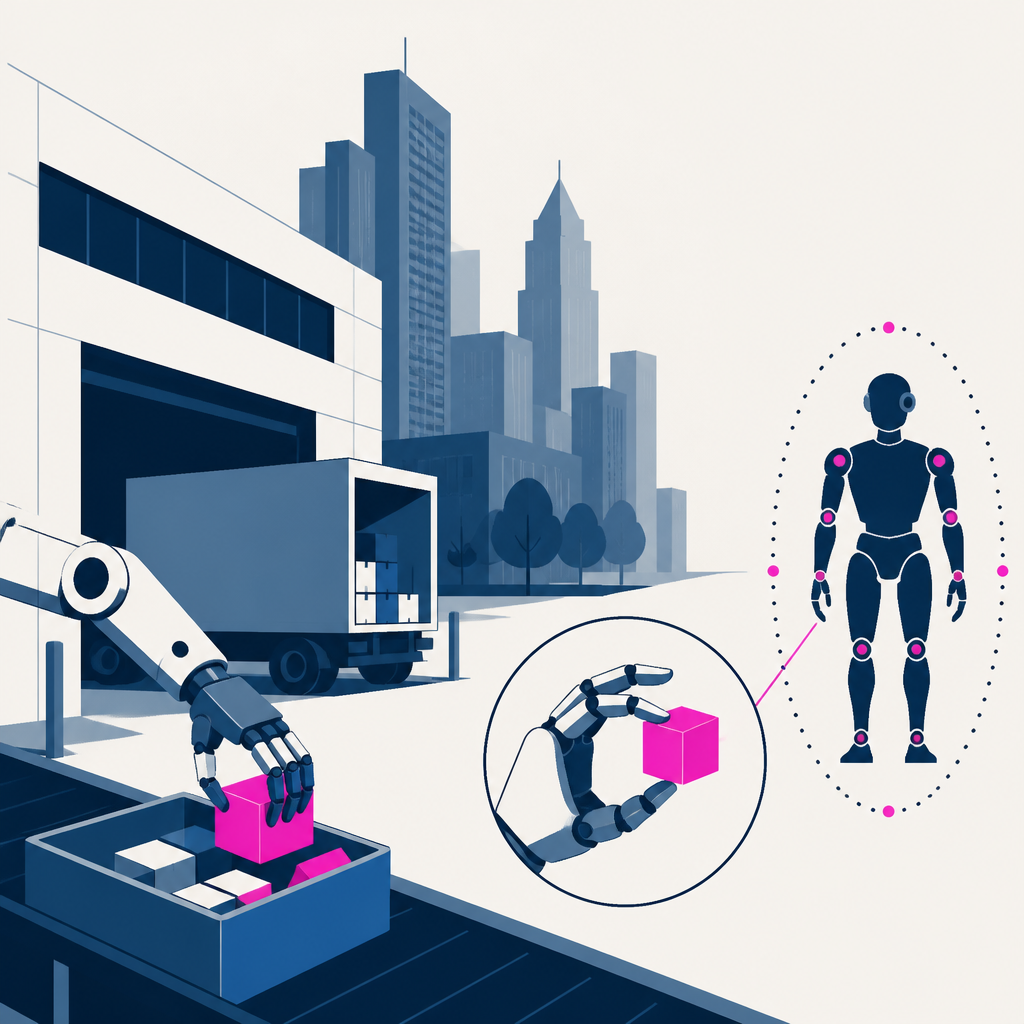
GXO Logistics CEO Patrick Kelleher says businesses should focus on robot hands for warehouse tasks rather than Olympic-level humanoid abilities highlighted at the World Humanoid Robot Games in Beijing. He cites that humanoids can now reach more than 100 degrees of freedom, versus 4 to 6 for typical industrial robots. As a result, GXO is piloting with five humanoid-robotics providers to supplement its workforce and improve sorting and unloading work, including work in freezer temperatures of minus 32 degrees.
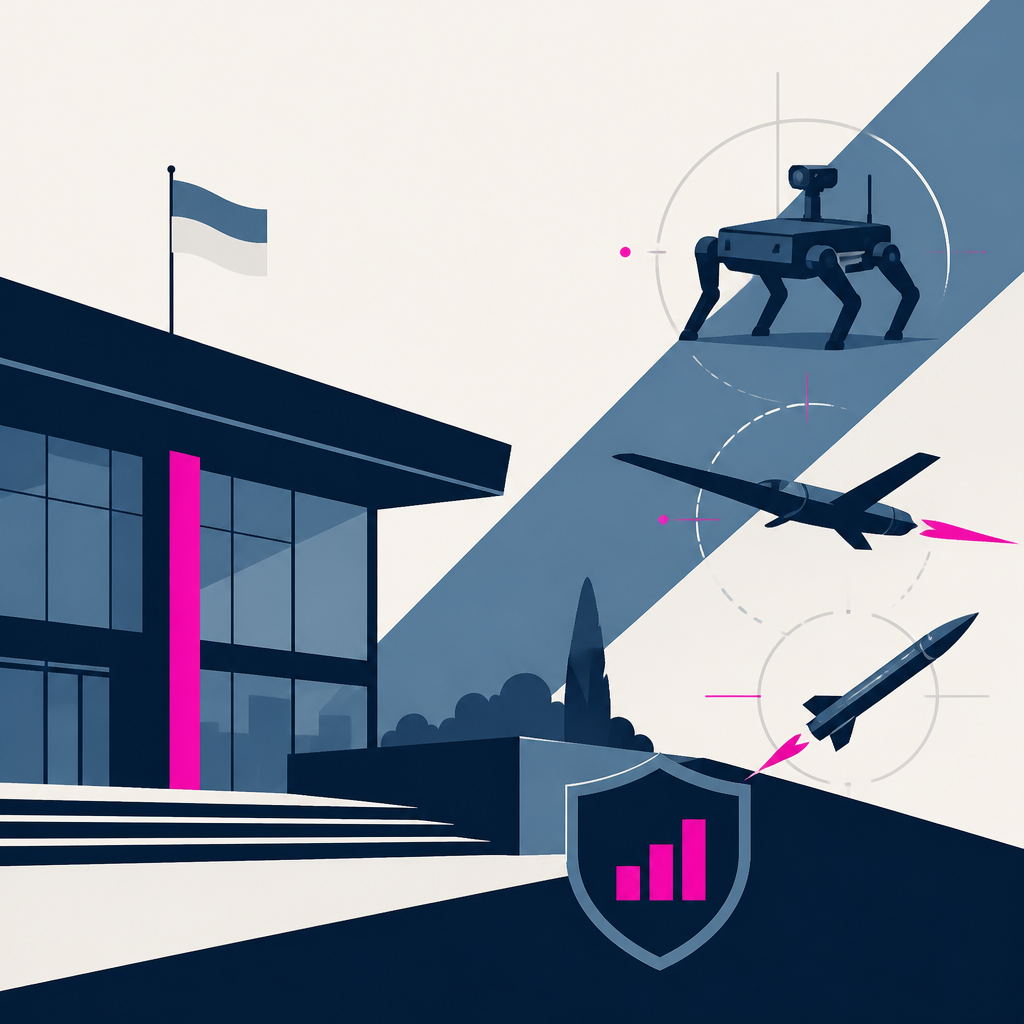
Mykhailo Fedorov announced plans to launch a defence technology investment fund to develop battlefield-focused technologies. The fund is initially set to focus on three areas: battlefield robotics, jet-powered interceptor drones, and low-cost missiles that incorporate AI. It will back existing Ukrainian defence tech startups and also create new companies around technologies deemed critical, with an initial team-building and launch of first projects as the next step.
The U.S. tightened restrictions on foreign-made drones and advanced robotic systems by adding drones and their components to the FCC’s Covered List and imposing new tariffs on the imports. The drone tariffs begin in September, with additional component tariffs set for 2027. As a result, industry analysts expect a more fragmented, regional robotics market where Chinese companies expand elsewhere while U.S. and allied firms focus on areas with stricter security requirements.
Every AI story that matters,
in your inbox by 8am.
TLDRocket reads all relevant sources, removes duplicate coverage, and summarises the
day in two minutes. Follow companies and topics for alerts, or get the
briefing in Slack. Free, no spam, unsubscribe anytime.
Reading TLDRocket needs no cookies, and the readership counts we rely on come from
our own cookieless analytics. Google Analytics is the exception: it sets cookies and
reports to Google, so it stays switched off until you allow it. You can change your
mind any time from “Cookie settings” in the footer.
Strictly necessary
Session security and form protection (tldrocket-session,
XSRF-TOKEN, 2 hours). The site cannot work without them,
so they need no consent.
Always on
Google Analytics 4 (_ga,
_ga_<id>, up to 2 years). Measures which
stories and sections readers use. Google acts as a third-party processor and may
store the data outside the EU. No advertising, no profiling, no data sold.