Destro launched from stealth with an $8 million seed round and built an AI “intelligence layer” that coordinates robots and human workers for logistics workflows instead of making robot hardware from scratch. The rollout at one Yusen facility in the Pacific northwest started as a pilot using three cart-moving robots. Destro is expanding to a 26-robot deployment and adding a second pilot with 17 robots, with plans to replicate the cross-dock process across many other warehouses.
Neura Robotics launched Neura HealthTech to deploy an autonomous robot that slides under empty hospital beds, lifts them, and moves them between wards and floors. Each hospital unit is designed to support about 20 trips per day to save more than 1,300 working hours per hospital each year. The company will offer the system via robotics-as-a-service with partner integration and will expand from bed-moving into connected, networked hospital tasks through its Neuraverse platform.
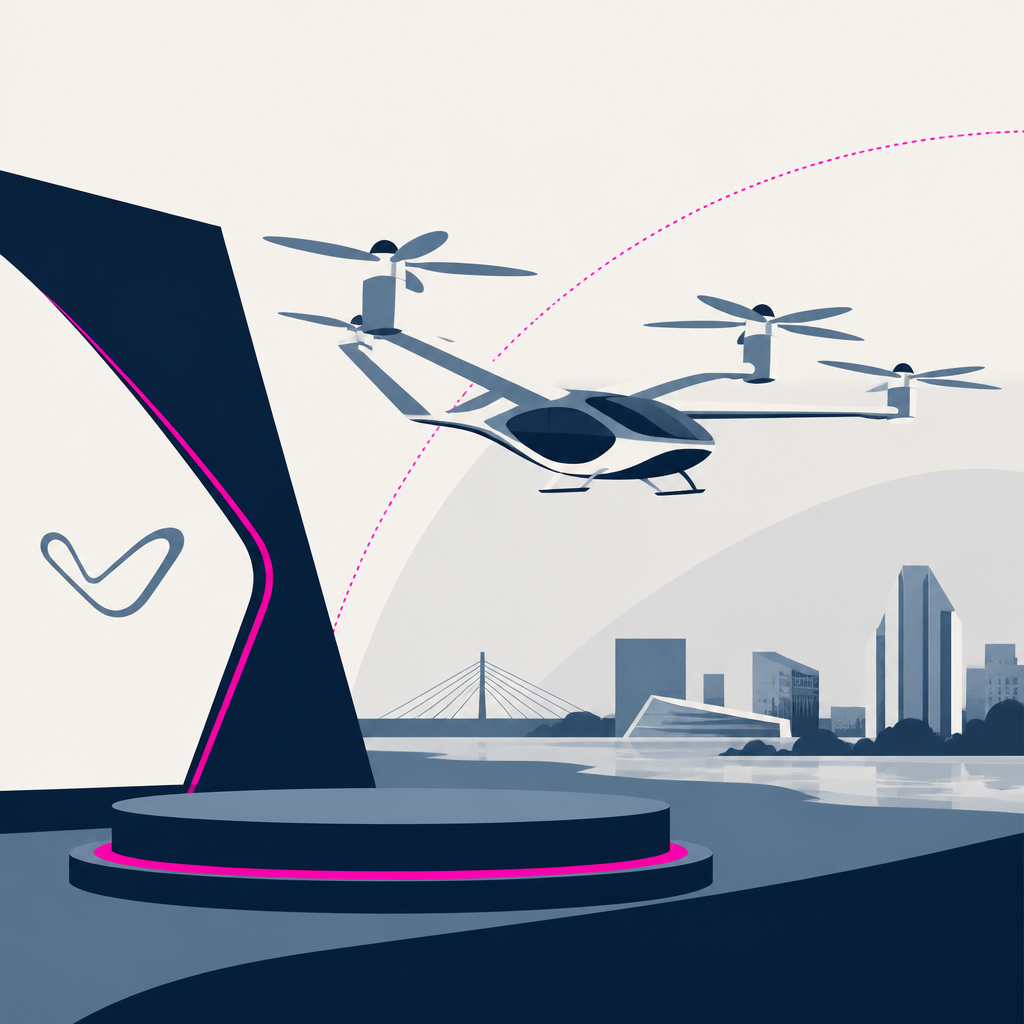
Joby Aviation flew an autonomous, pilotless aircraft over Wichita using a base system intended to work in any aircraft. The flight was conducted as a showcase of the technology, with a focus on future emergency and cargo transport operations in the coming years. The demonstration sets up plans to expand use of the autonomous plane for those transport roles.
Inbolt raised €11 million to expand its real-time vision and intelligence software for industrial robots and to grow into new manufacturing sectors. The funding brings Inbolt’s total funding to €30 million. Its technology will be deployed more widely across robot platforms, including an expansion into data centres and electronics manufacturing, supported by growth plans in the US and APAC.
The issue directs readers to watch a Dyna-2.1 demo video to see how physical-agent tasks play out as many small decisions and manipulations. It says the run shows what an hour of physical-agent work looks like. As a result, the focus shifts from one scripted move to the broader robotics challenge described as fitting many steps together.
Dyna-2.1 describes Taku, a semi-humanoid robot built to run an end-to-end workflow with minimal human intervention, demonstrated by doing uncut hotel laundry on camera. The approach relies on pre-training its improved DYNA-2 action policy on 1 million hours of human video. This results in faster acquisition of new skills and more reliable workflow execution through a full-stack design (robot hardware, unified action representation, reinforcement-learned control, and a workflow orchestrator).
Every AI story that matters,
in your inbox by 8am.
TLDRocket reads all relevant sources, removes duplicate coverage, and summarises the
day in two minutes. Follow companies and topics for alerts, or get the
briefing in Slack. Free, no spam, unsubscribe anytime.
Reading TLDRocket needs no cookies, and the readership counts we rely on come from
our own cookieless analytics. Google Analytics is the exception: it sets cookies and
reports to Google, so it stays switched off until you allow it. You can change your
mind any time from “Cookie settings” in the footer.
Strictly necessary
Session security and form protection (tldrocket-session,
XSRF-TOKEN, 2 hours). The site cannot work without them,
so they need no consent.
Always on
Google Analytics 4 (_ga,
_ga_<id>, up to 2 years). Measures which
stories and sections readers use. Google acts as a third-party processor and may
store the data outside the EU. No advertising, no profiling, no data sold.