Destro AI’s secret sauce is getting robots and humans on the same page
TechCrunch Tim Fernholz
Destro raised $8M to run robots and human workers together in warehouses. Its bet: the real product is the orchestration layer, not the robot itself.
Based on reporting by TechCrunch, Tim Fernholz — read the original for the full story.
Summary, retelling and take written by AI under human oversight; images are AI-generated illustrations. How we work · Report an error
Destro has come out of stealth with an $8 million seed round and a very un-robot-robot-company pitch: don’t start with the machine, start with the warehouse problem.
The startup says its software sits above robots and workers in logistics sites, directing the whole flow instead of just one cart-moving bot or one isolated task. Founder Manthan Pawar, who has about eight years in U.S. supply chain and robotics work and earned a master’s in robotics at NYU Tandon, says that focus is the reason Destro can compete at all. He also says the company is on track to be cash flow positive by the end of this year.
The idea got sharper through Yusen Logistics. Richard Brunelle, who oversees automation across about 30 U.S. facilities for Yusen’s American logistics group, pushed Destro to adapt from a picking-and-packing use case to cross-docking, where goods are unloaded from one truck and sorted into mixed loads for another. Destro rebuilt for that job and started a pilot at one Yusen site in the Pacific northwest.
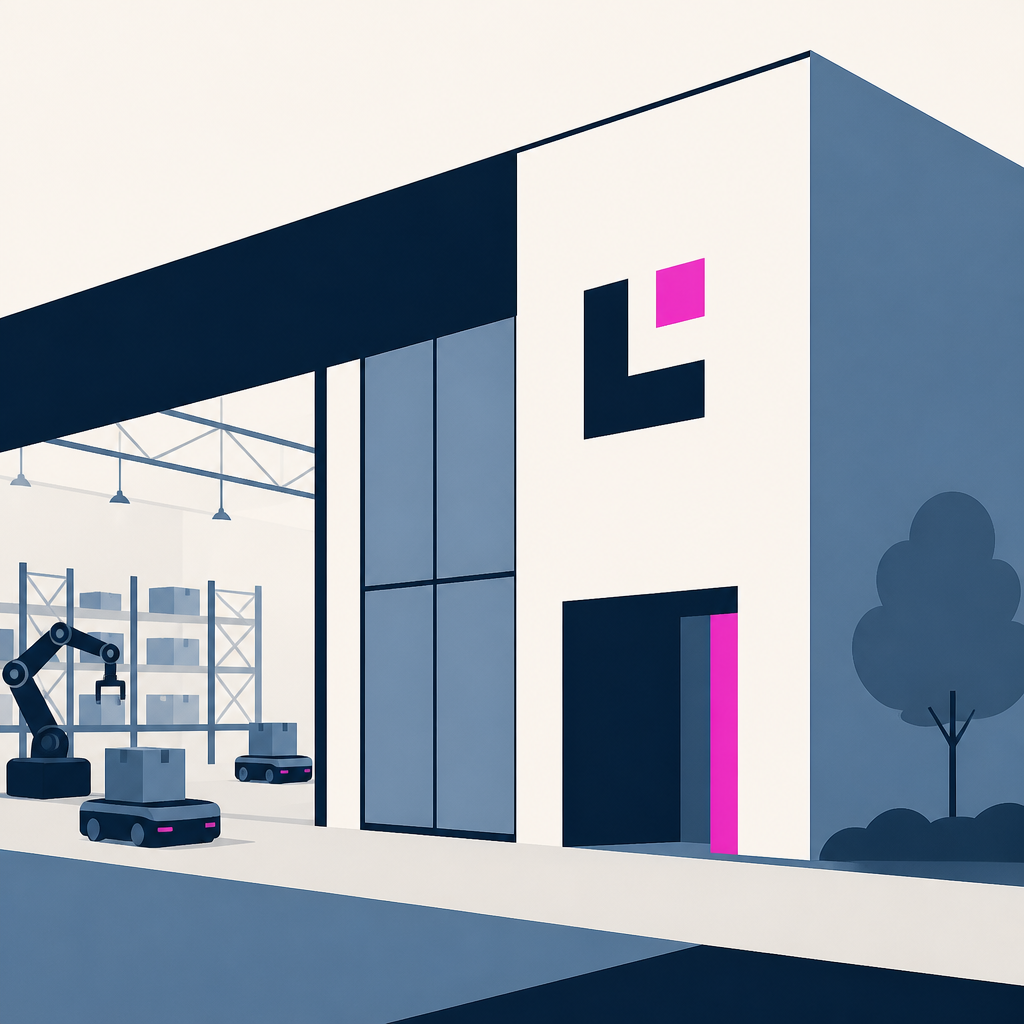
That pilot uses three cart-moving robots from Miva Robotics, with Destro’s Vision operating system running open-weight vision-language-action models to help them navigate. Human workers unload goods into carts, while the robots locate full carts and move them where they need to go. Brunelle says Destro’s Mothership operating system ties together the people, carts and trucks, which makes the process less labor intensive and gets the paper out of the way.
That level of orchestration is what set Destro apart from two other robot startups Yusen evaluated. One could move carts but not handle loading or unloading. The other had fleet software but still needed a person to coordinate everything. Destro is now expanding the first pilot to 26 robots and launching another with 17 robots in Southern California. Base10 Partners and Bonfire Ventures led the round, with CoFound Partners also investing.
My take — AI-written commentary, not fact-checked reporting
This is the right kind of boring: not a humanoid parade, just software that makes a warehouse less chaotic. The industry loves shiny robot bodies, but the money usually hides in the unglamorous layer that keeps humans, carts and machines from stepping on each other. That’s the real platform play, even if it doesn’t look sexy on a demo stage.
Read more about this at: TechCrunch